Host header injection that bypassed protection and allowed accessing multiple subdomains
The web server routed requests based on the Host header, allowing an attacker to access internal subdomains by manipulating that header. This could expose otherwise inaccessible resources on those subdomains.

- Triaged in 5 hours
- Fixed in 28 days
- Paid in 6 hours
- Disclosed after 28 days
NOTE! Thanks for submitting a report! Please replace all the [square] sections below with the pertinent details. Remember, the more detail you provide, the easier it is for us to verify and then potentially issue a bounty, so be sure to take your time filling out the report!
**Name of Vulnerability:*Host header injection/SSRF Areas affected: [App/ Website + URL/Location] https://www.urbancompany.com and it allowed accessing otherwise inaccessible subdomains https://av.urbancompany.com , https://ims.urbancompany.com , https://mesh.urbancompany.com User Details: [Registered Email and Registered Mobile Number used for the purpose of signing up an account with Urbanclap] N/A Summary: [add summary of the vulnerability] Ability to access certain subdomains (which should be presumably only for internal/trusted sources ) through host header manipulation. to be able to access. Description: [add more details about this vulnerability]
Steps To Reproduce:
(Add details for how we can reproduce the issue through manual testing only)
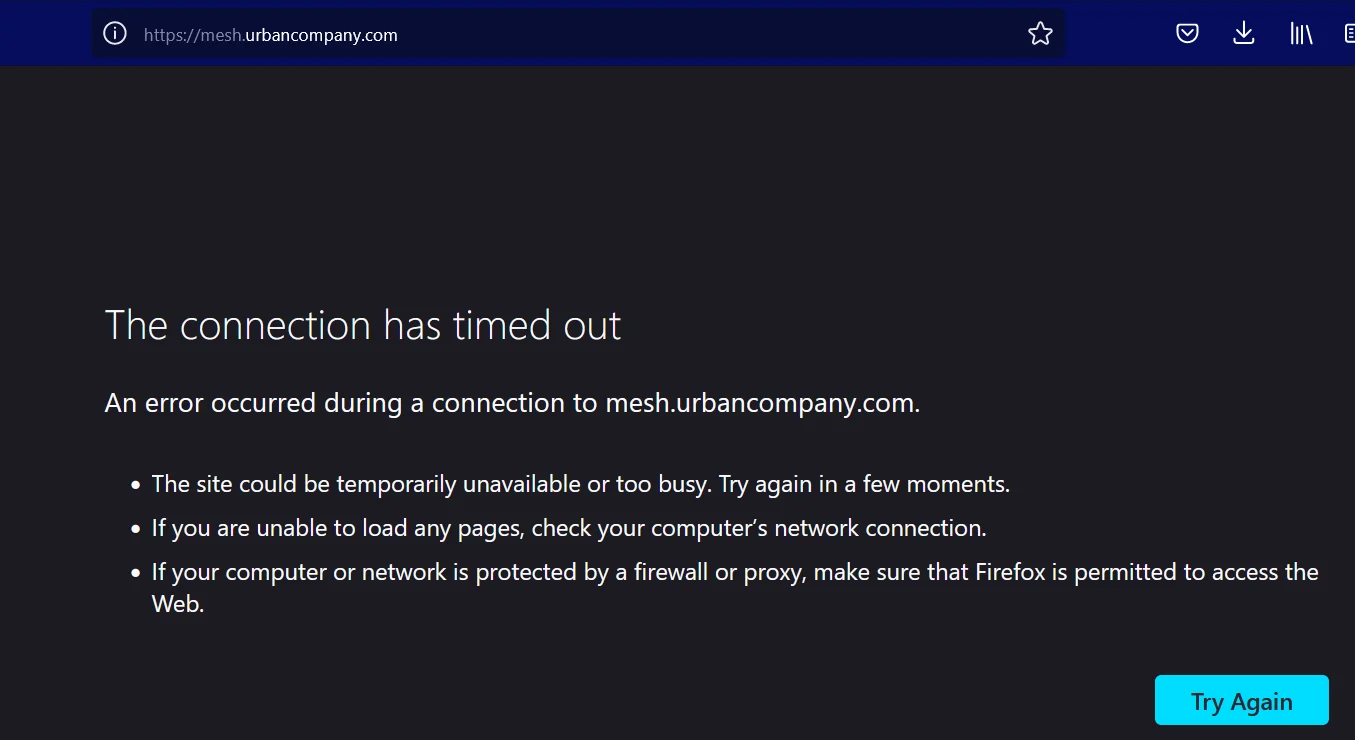
- Go to any of the three subdomains using any browser and after a while you'll see this:
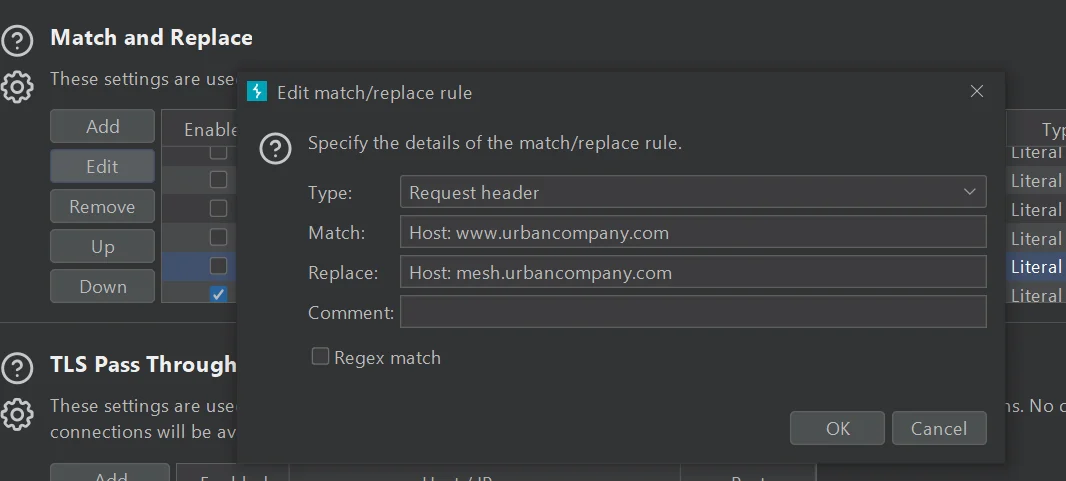
- Using burp and Match and Replace rule:
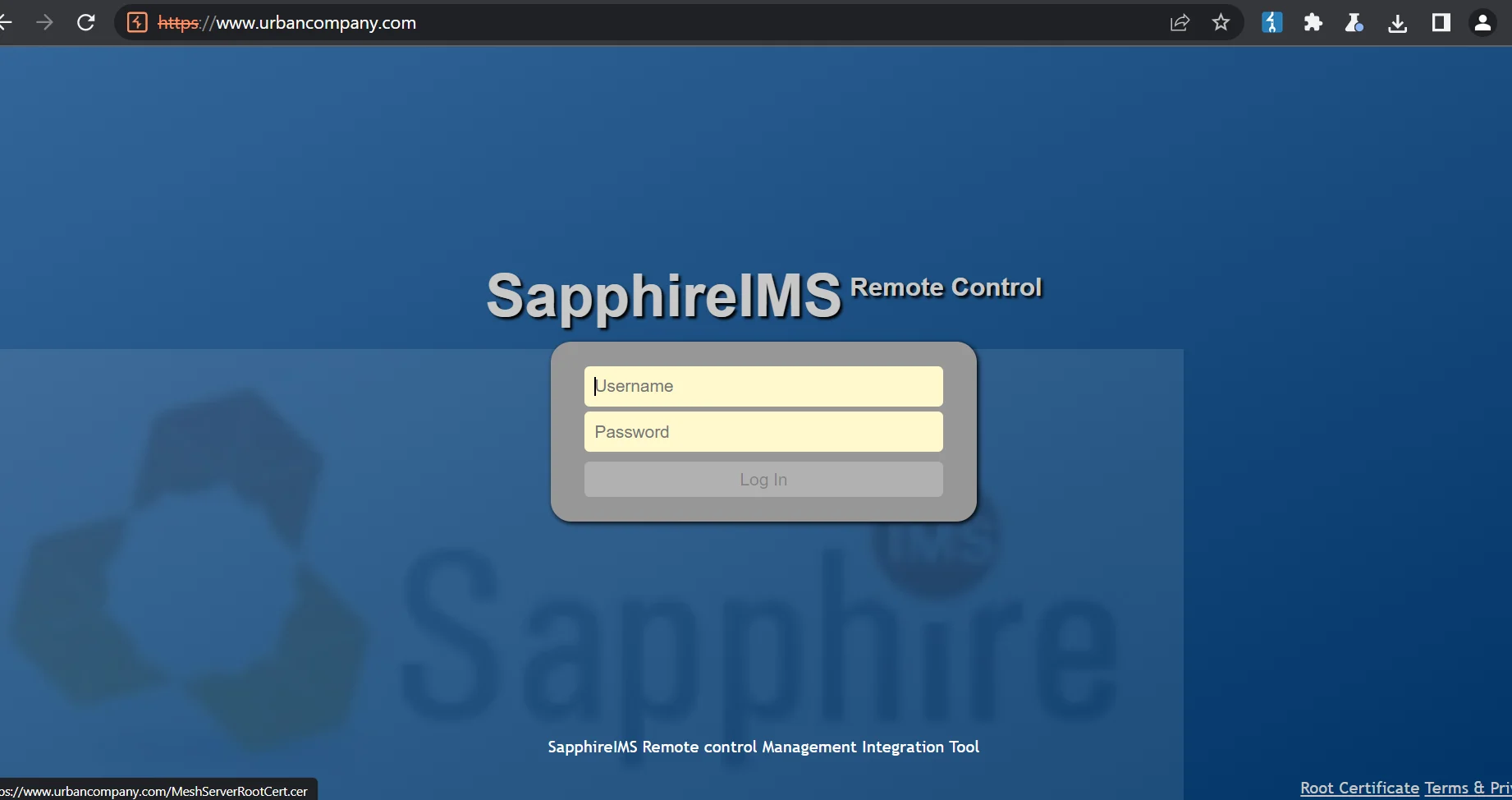
- Now using burp chromium go to https://www.urbancompany.com ,
and you'll see the following for the Host: mesh.urbancompany.com:
and for Host: av.urbancompany.com:
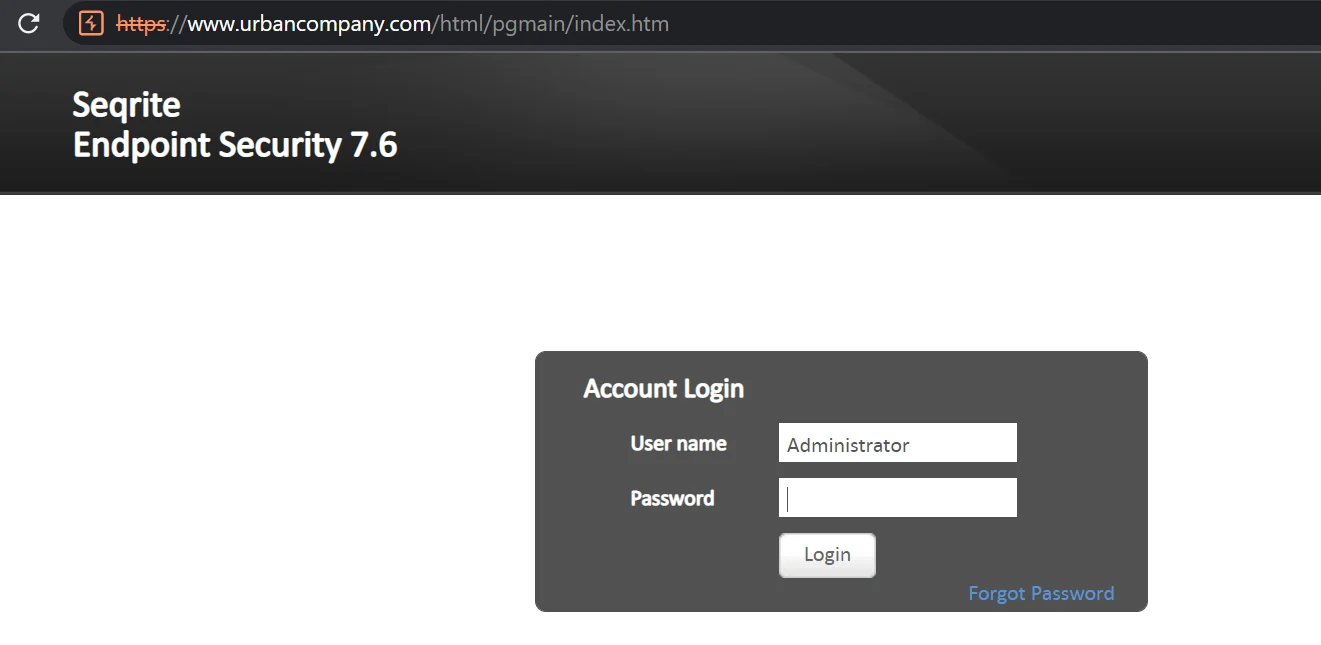
and for Host: ims.urbancompany.com:
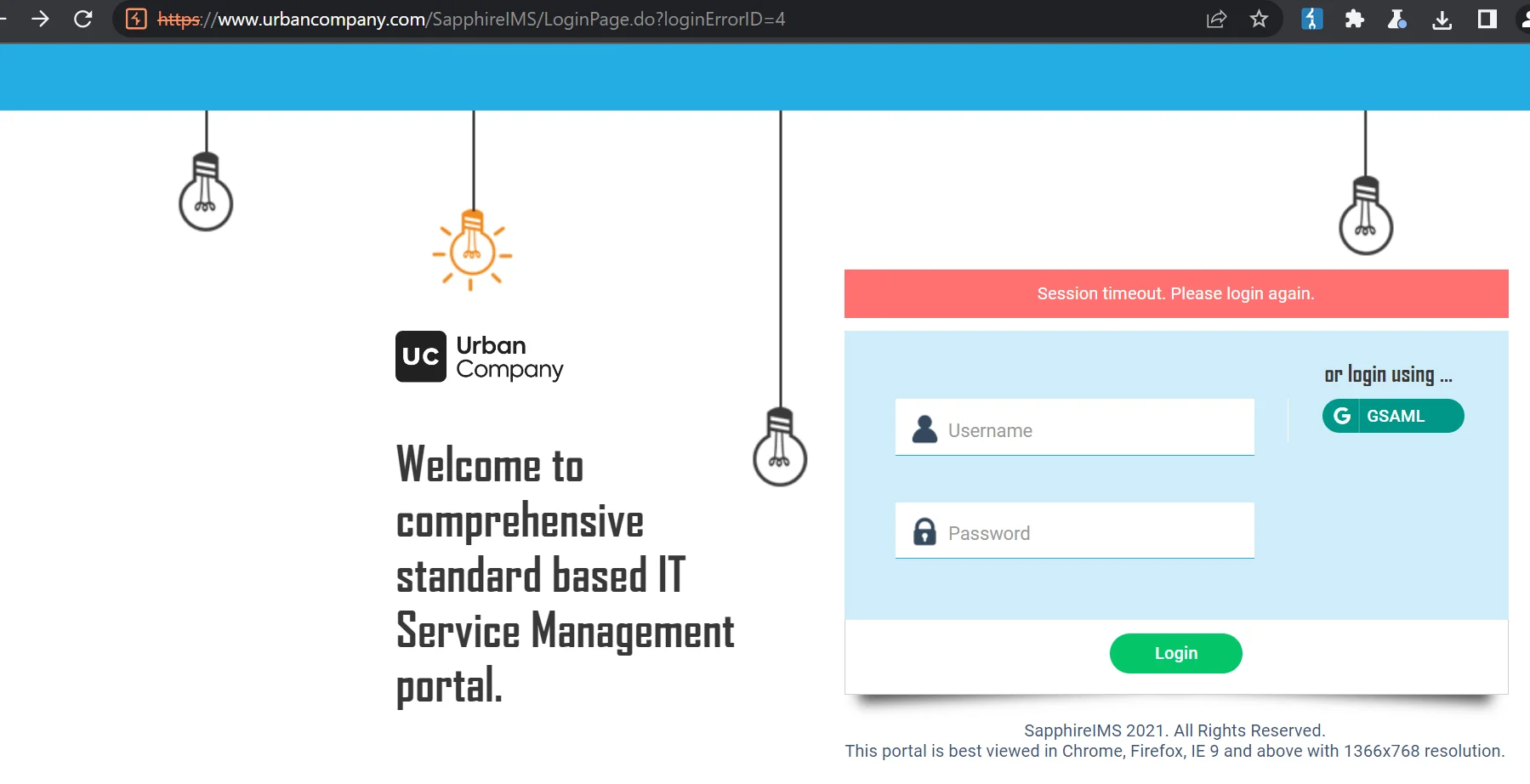
Some interesting endpoints: For av.urbancompany.com:
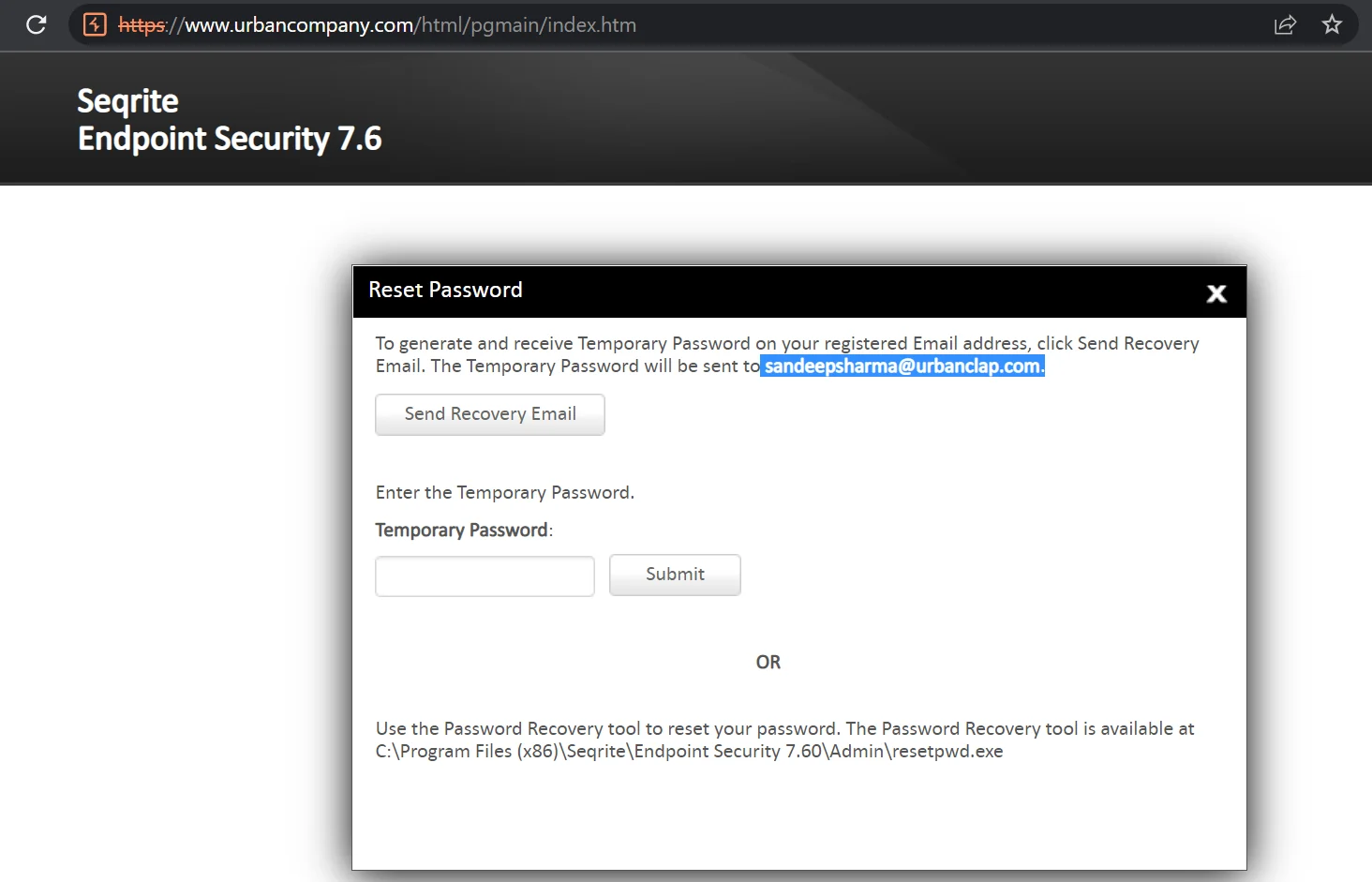
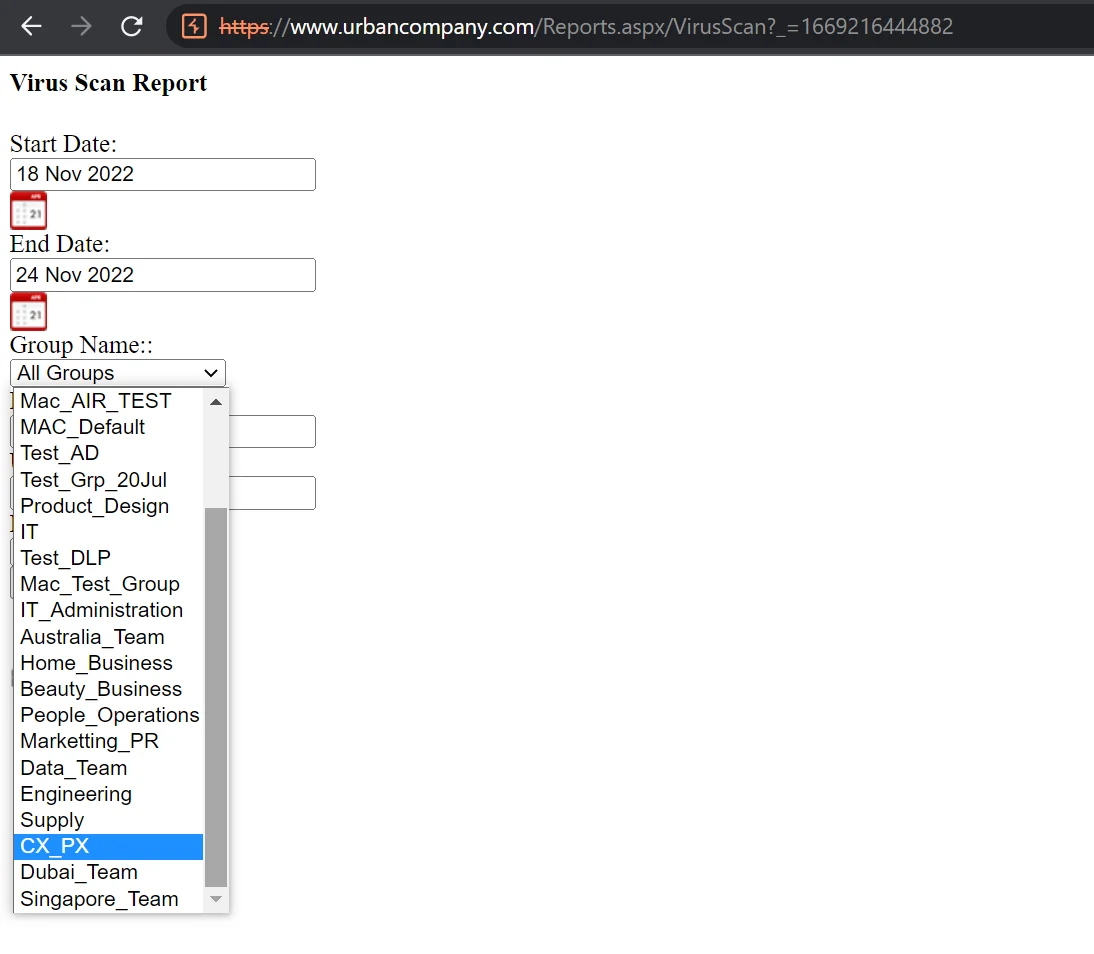
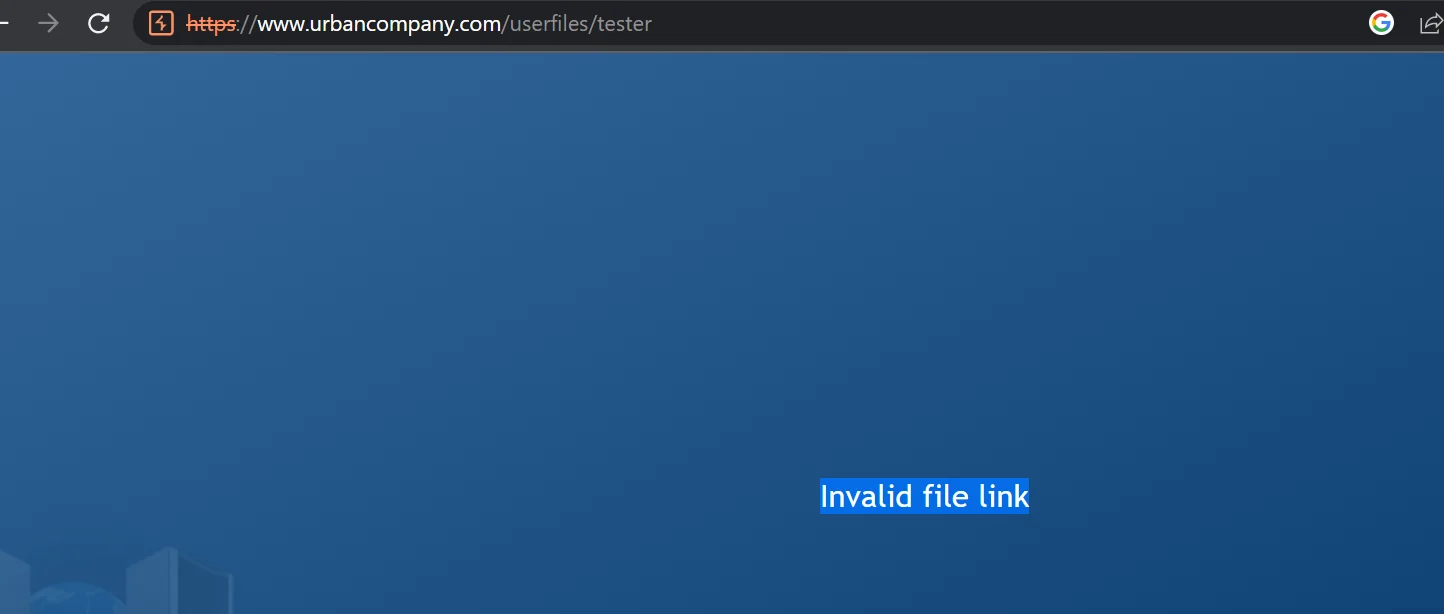
For mesh.urbancompany.com, potentially means ability to access user files, but because I don't know any of the files I was unable to confirm if it would ask for some authorization upon request to the existing file:
This endpoint looks interesting, but for some reason it doesn't actually initiate any uploading when I tried to upload files with mentioned extension:
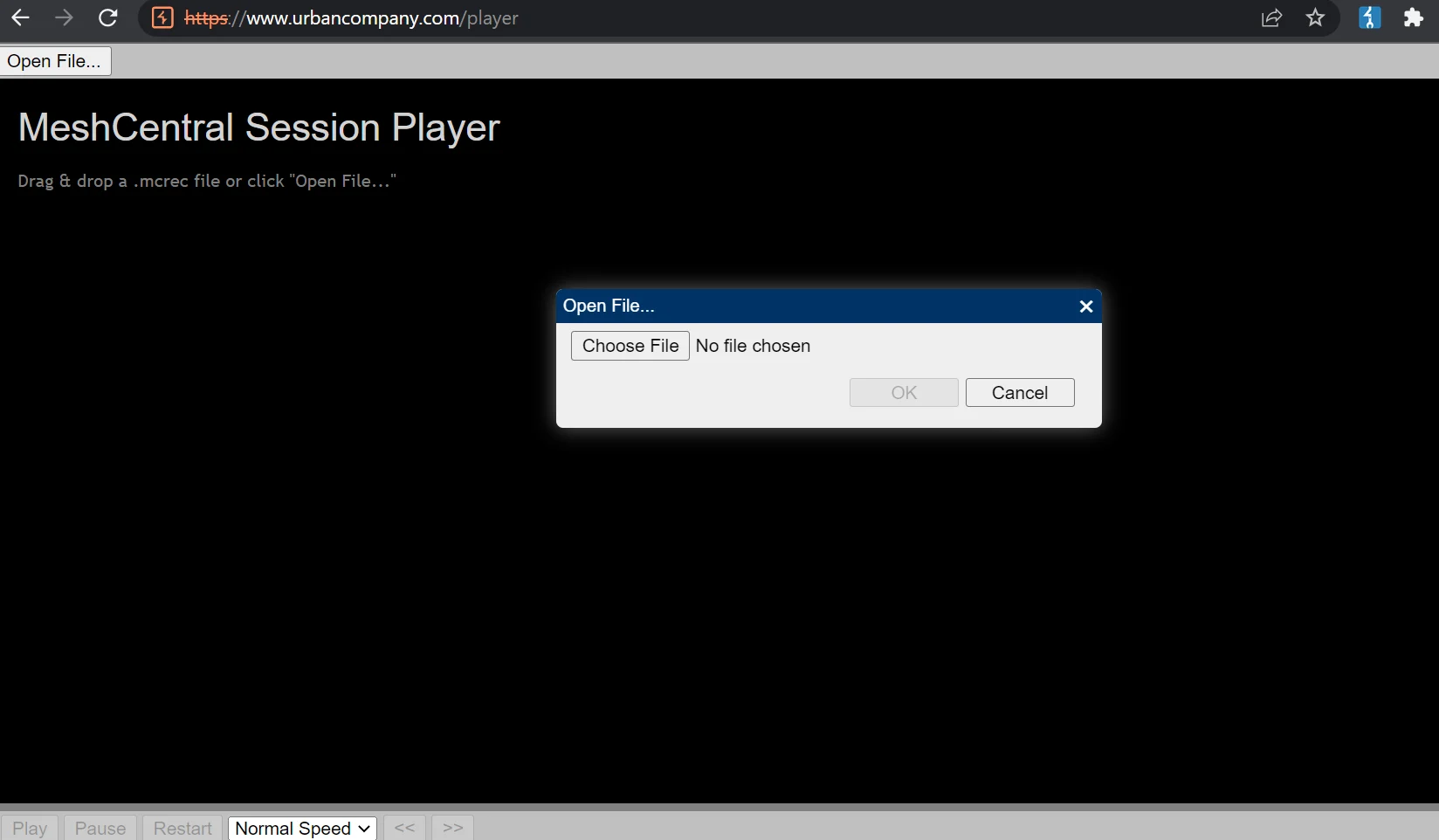
Additional note: All three subdomains resolve to the same ip address, which implies that if you have other subdomains associated with this ip address those subdomains are probably affected by this bypass as well.
Thank you for looking into this, and please let me know if you have any questions and/or if you need me to do some more testing, like fuzzing all the found endpoints to determine if there are some interesting bugs there.
Sincerely, @musashi42
Supporting Material/References:
Attached are the screenshots.
- List any additional material (e.g. screenshots, logs, etc.)
Impact
Impact is dependent on whether ability to access the subdomains in question is considered as a bypass and if any of the disclosed information (especially various accessible js files) shouldn't be accessible in this way, in addition if there are more sensitive endpoints that I simply didn't find with my limited wordlists but larger wordlists would find. In addition, there's also a question if more interesting subdomains are associated with the same ip address as the three that I mentioned in the report and if those subdomains are even more interesting for the attacker because this bypass should work on any subdomain that's been associated with the ip address of the three mentioned subdomains.
Not written yet. The AI write-up for this report has not been written yet. The Original tab links to the source.
How it worked
Root cause
Likely the server uses the Host header to route requests without validating it against an allowlist, enabling access to internal subdomains.
Impact
The attacker could access internal subdomains and potentially sensitive files or endpoints, though the full extent depends on what those subdomains expose.
What the attacker needed
Ability to intercept and modify HTTP requests; knowledge of internal subdomain names
How it was found
- Visit any of the three subdomains in a browser and observe an error or block page.
- Set up a Burp Match and Replace rule to modify the Host header.
- Using Burp's browser, go to the main site and observe that the Host header is replaced with one of the internal subdomains.
- The response shows content from the internal subdomain, indicating successful access.
Explained by bugbounty.wiki with AI from the original and checked against quotes from it; it can still be wrong. Read the original before relying on a detail.
Not written yet. The AI write-up for this report has not been written yet. The Original tab links to the source.
When you visit a website, your browser sends a 'Host' header telling the server which site you want. If the server trusts this header blindly, an attacker can change it to point to internal sites, tricking the server into showing content that should be private.
What is Access control?
A user can do something their role should not allow: reach an admin function, act on a feature they have not paid for, or skip a permission check. IDOR is the special case where the object belongs to someone else.

