1 Program, 4 Business Logic Bugs and Cashing in 2300$.
The report describes four business logic flaws in a browser-service platform: invitation limits were not enforced until acceptance, users without a plan could invite members via API, a race condition allowed creating more browser profiles than the plan allowed, and low-privilege users could access workspace data via API. An attacker could exploit these to avoid paying for additional users or profiles and to view restricted information.
 Published on infosecwriteups.com
I’m Manav Bankatwala, and I’m a security researcher. I’m not sure what kind of radioactive spider bit me, but it gave me the power to see security vulnerabilities everywhere.
The full write-up lives on its author's site
It belongs to its author, so we link to it rather than copy it. The other two tabs are our own rewrites, checked against it.
Context
The target is a company that sells browser services: web scraping facilities and many isolated browser profiles, similar to incognito mode but with hundreds of incognito browsers available at once. The application is paid-only. A solo plan costs around 80$, a team plan for up to 3 users costs around 170$, and each additional user costs 32$. Without at least a basic plan, roughly 90% of the application's features are inaccessible.
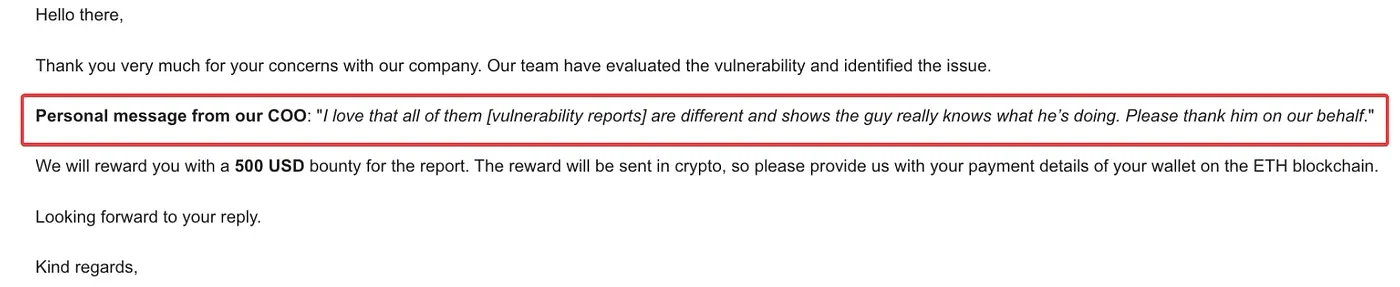
The researcher, Manav Bankatwala, found four business logic bugs in this single program, plus an origin IP leak, for a total of 2300$. The company's COO sent a message of appreciation.
The four logic bugs are: inviting unlimited members without paying for them, inviting members from an account with no plan, exceeding the browser profile quota through a race condition, and reading workspace data through the API as a low-privilege user. The fifth finding is an origin IP leak that bypassed the Cloudflare firewall.
Setup
The researcher had already added the 3 included members to his team plan, and used a user token from an account with no plan. For the race condition he used Burp Suite with the Turbo Intruder extension, noting that a custom Python script would work equally well. For the fourth bug he used a member invited with the "user" role. No versions are given in the report.
Finding it
Each bug came from comparing what the interface allowed with what the backend actually enforced.
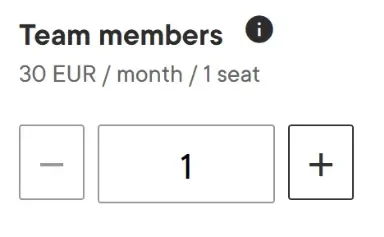
The first stood out because the member count in the plan did not move when an invitation was sent, only when it was accepted. The normal flow is: enter the member's details and send the invitation, the member receives an accept link, and only after clicking it is the user added, up to 3 members. If the count only rises on acceptance, invitations can be stacked before any of them is accepted.
The second came from the fact that a no-plan user cannot reach the invite feature in the UI, yet the API call behind it could be replayed with that user's session token.
The third came from the profile quota: a solo plan allows 300 browser profiles. That fixed ceiling is a natural target for a race condition, where several creation requests are processed before the counter is updated.
The fourth came from the role model. When inviting a user you choose between User, Launcher and Manager. The User role cannot see members in the workspace, their roles, invited members, balance, or which plan the workspace is on, but the same data requested directly through the API with the user's cookies was returned.
Exploitation
Step 1: stacking invitations
- Enter the details of a member and send the invitation link.
- Do not use the link, and add another member.
- Repeat until the number of users you want is reached.
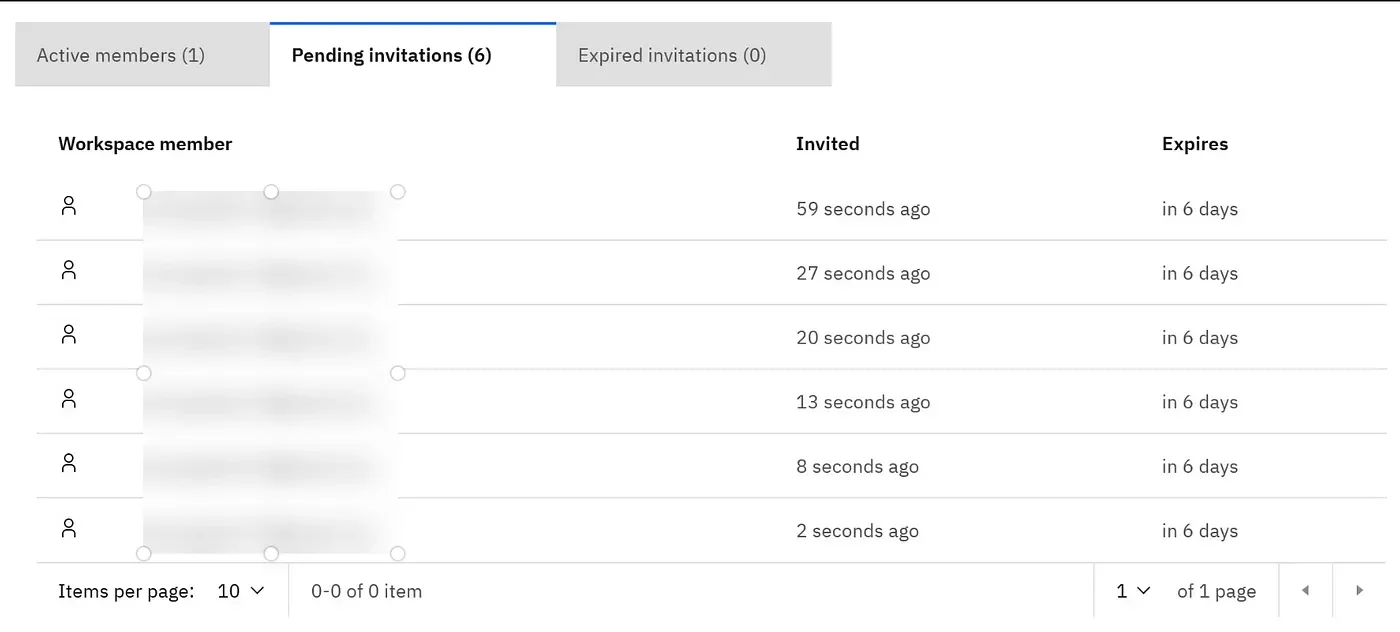
At this point the member count in the plan is still 0, because nobody has accepted an invitation yet. Then visit all the invitation links one by one. Every member is added without any charge. The researcher invited more than 6 users this way and saved 200$.
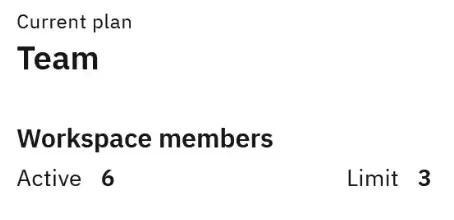
He notes that he could have added 100 members at once, a loss of 320$ to the company. The company addressed and fixed this vulnerability.
Reward: 500USD.
Step 2: inviting from a no-plan account
- Capture the POST request responsible for inviting a new user and send it to Repeater.
- Change the authorization token to a user token having no plan. Also change the workspace ID parameter.
- Send the request.
It succeeded instead of returning a forbidden error, and the user was invited.
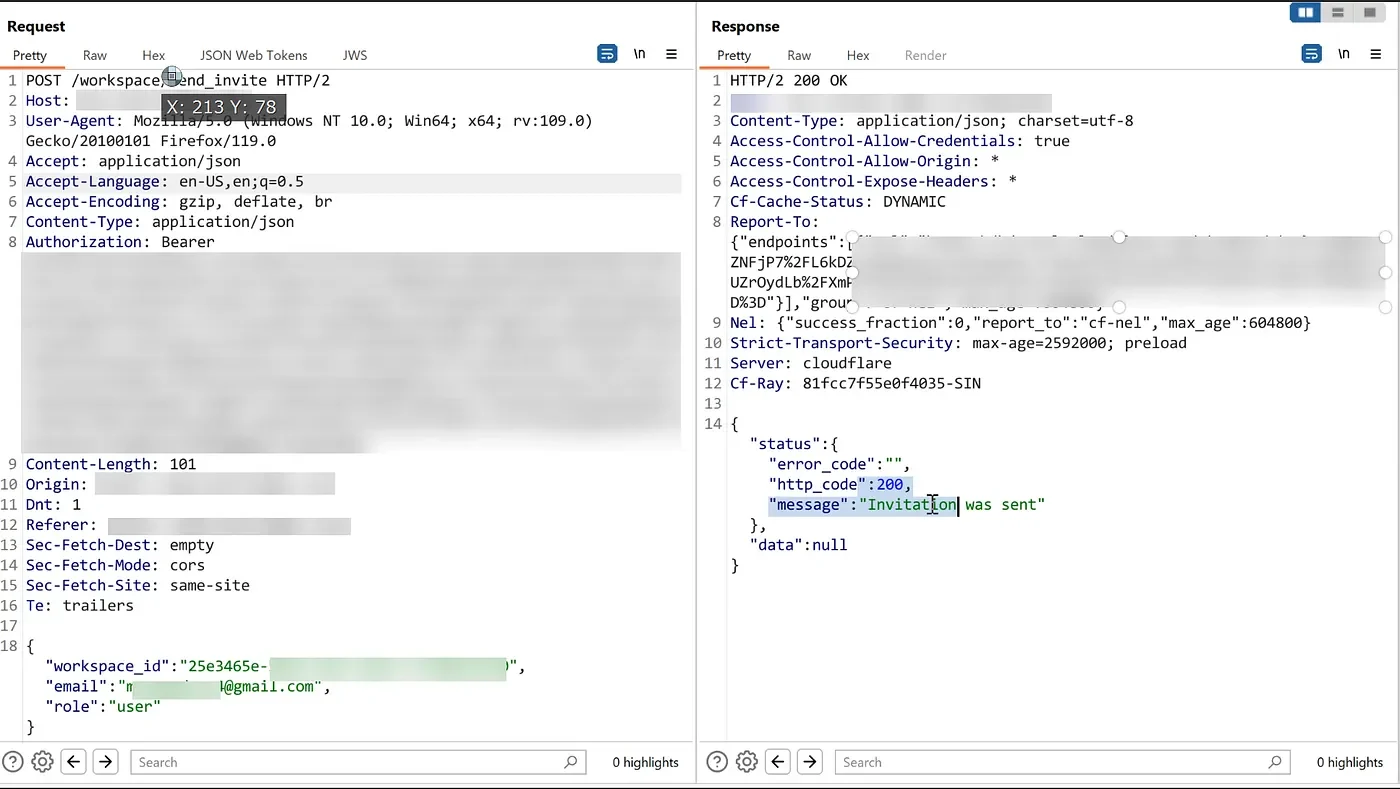
Reward: 500USD.
Step 3: racing the profile quota
- Create 298 profiles, just under the 300 limit.

- Click create a new profile again and capture the request in Burp Suite.
- Send the request to Turbo Intruder. A custom Python script works too. Add a random position as the payload position and increase the threads.
- When the attack ended, the total count of browser profiles was 306, which indicates a successful race condition.

Reward: 500USD.
Step 4: reading workspace data as a low-privilege user
- Invite a member with the "user" role.
- This role has no permission to see other members or the plan in use.
- Send the API calls directly:
https://api.target.com/workspace/restrictions
https://api.target.com/workspace/users?limit=100&offset=0
https://api.target.com/workspace/invitations?limit=1000&offset=0
https://api.target.com/workspace/user_balance
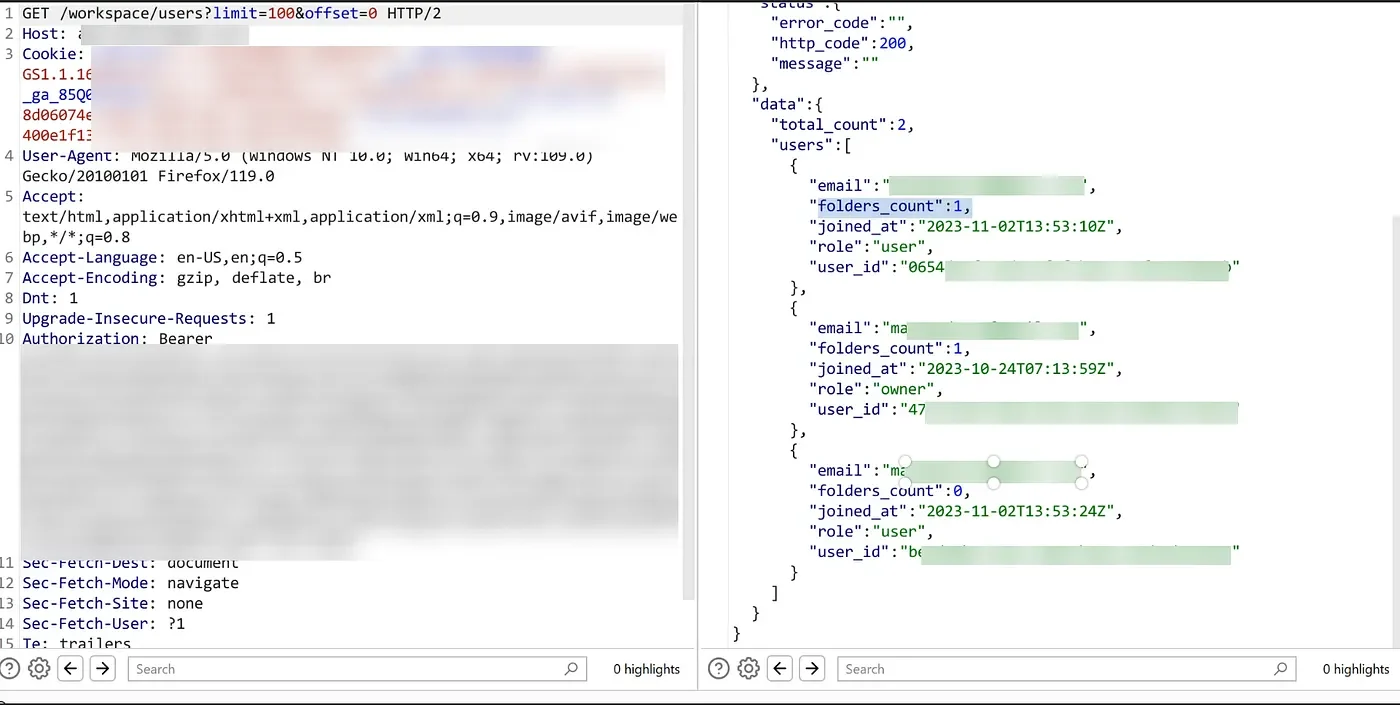
- All the details came back to the low-privilege member.
Reward: 500USD.
Additional finding: origin IP leak
After the four logic bugs, the researcher reported an origin IP vulnerability: the domain and its features were reachable directly through the IP, bypassing the Cloudflare firewall entirely. He could also visit some endpoints that were not accessible through the domain but were reachable through the origin IP he found. This was rewarded with 300USD.
Root cause
All four logic bugs share one pattern: the server trusted client-side state or checked permissions only in the interface.
- Invitation stacking: the member count was incremented on acceptance rather than on sending the invitation, so the quota check never saw pending invitations. Likely the limit was enforced against the accepted-member count only.
- No-plan invite: the invite endpoint did not verify that the calling account had an active plan, only that the request was authenticated. The UI hid the feature, but the API did not enforce it.
- Profile race: the quota was checked and the profile created in separate steps, so concurrent requests all passed the check before any of them incremented the counter. The 298 baseline left only two slots, and the parallel requests filled far more than two.
- Role data exposure: the UI hid members, roles, invitations, balance and plan from the User role, but the API endpoints returned them to any authenticated workspace member without a role check.
- Origin IP: the origin server answered requests addressed directly to its IP, so the Cloudflare firewall in front of the domain could be skipped.
Impact
The first bug lets a team plan holder add unlimited members without paying the 32$ per-user fee, which the researcher estimates at 320$ lost per 100 extra members. The second lets an account with no plan at all invite users, bypassing the paid-only model. The third lets a plan holder exceed the assigned profile quota, 306 profiles against a 300 limit in this test. The fourth exposes workspace members, their roles, invited members, balance and plan to the lowest-privilege role. The origin IP leak exposes the application and some endpoints that are not reachable through the domain, with the Cloudflare firewall bypassed.
The researcher notes that exploited together and in the wild, these could cost the company thousands of dollars. All reports were handled within 4 to 5 days.
Fix
The company addressed and fixed the invitation stacking bug; the report does not describe the change. For the others, the report does not state what was changed. The fixes the findings call for are: count pending invitations against the member quota at send time, enforce plan status on the invite endpoint server-side, make the profile quota check and increment atomic, apply role checks on every workspace API endpoint rather than only in the UI, and restrict the origin server to traffic from the CDN so direct IP access fails.
Variants to test
- Pending-state quotas. Any feature with a limit on a resource that goes through a pending state (invitations, pending payments, unconfirmed seats) is worth testing: send many requests that create pending items without completing them, then complete them all. A positive result is more active items than the plan allows.
- Feature gating by UI only. Take an API call from a paid account and replay it with a session that has no plan, changing the workspace ID as well. A positive result is a success response instead of a forbidden error.
- Quota races. Fill a quota to one or two below its limit, capture the creation request, and fire it in parallel with Turbo Intruder or a script. A positive result is a final count above the limit.
- Role checks on read endpoints. Invite the lowest-privilege role and call the workspace endpoints directly, including list endpoints with
limitandoffsetparameters. A positive result is member lists, roles, invitations, balance or plan data returned to that role. - Origin IP exposure. Resolve historical DNS records and certificate transparency logs for the origin, then request the host directly by IP. A positive result is the application answering without going through the CDN, and endpoints reachable by IP that the domain does not serve.
What happened, in plain words
A security researcher named Manav Bankatwala found several ways to use a paid web service without paying for the parts he was using. The service sells access to many separate browser profiles, which are like private, isolated copies of a browser you can run on a server. Think of it as hundreds of incognito windows you can open at once, each one separate from the others, useful for scraping websites or logging into many accounts at the same time.
The service is paid-only. A solo plan costs around 80$, a team plan for up to 3 users costs around 170$, and every extra user on a team plan costs 32$. Without at least a basic plan, roughly 90% of the features are locked.
Manav found four logic bugs in this one program, plus a fifth issue where the server behind the website could be reached directly, skipping the protection service in front of it. The company paid 2300$ in total, and its COO (chief operating officer) sent him a message of appreciation.
The four logic bugs were:
- Inviting unlimited team members without paying the 32$ per-user fee.
- Inviting members from an account that had no plan at all.
- Creating more browser profiles than the plan allowed, by sending many requests at the same moment.
- Reading private workspace data through the API while logged in as the lowest-privilege role.
The fifth finding was an origin IP leak, which let someone reach the real server directly and bypass the Cloudflare firewall.
Before going further, a few words on the ideas that come up again and again.
Business logic bug. Most security bugs are technical: a broken password check, a memory error, a script that runs where it should not. A business logic bug is different. The program works exactly as written, but the rules of the business (who pays for what, how many of a thing you may have) can be bent. It is like a shop where the till is fine but the rule "one free sample per customer" is not actually checked, so you take ten.
API. An API (application programming interface) is the set of addresses a website's own pages use behind the scenes to fetch and send data. When you click a button, your browser often sends a request to an API address and gets data back. You can send those same requests yourself with a tool, without using the website's buttons at all.
Token / cookie. When you log in, the server gives your browser a small piece of text, a token or cookie, that proves who you are on every later request. It is like a wristband at an event: show it and you get in without showing your ticket again. If you copy someone's wristband, you can act as them.
Race condition. A race condition happens when a program checks a limit and then updates the count in two separate steps. If many requests arrive at almost the same instant, they can all pass the check before any of them updates the count. Picture a car park with one space left and a barrier that only checks the sign: ten cars arrive together, all see "1 space", all drive in, and the sign is updated afterwards.
Role. A role is a label on a user account that decides what that account may see and do. Here there are three: User, Launcher and Manager. The User role is meant to see the least.
Origin IP. Every website sits on a server with a numeric address, its IP. Companies often put a protection service such as Cloudflare in front, so visitors only ever talk to Cloudflare, which filters bad traffic. If you can find the server's real IP and talk to it directly, you skip the filter entirely.
Setup
Manav worked with a team plan that already had its 3 included members added, and with a second account that had no plan at all. For the race condition he used Burp Suite, a tool that lets you capture and replay the requests your browser sends, together with an extension called Turbo Intruder, which fires many copies of a request at once. He notes that a custom Python script would work equally well. For the fourth bug he used a member he had invited with the "user" role. The report gives no software versions.
Finding it
Each bug came from comparing what the interface allowed with what the server actually enforced. The interface is what you see and click; the server is what really decides. When those two disagree, there is usually a bug.
The first stood out because the member count in the plan did not move when an invitation was sent, only when it was accepted. The normal flow is: enter the member's details and send the invitation, the member receives an accept link, and only after clicking it is the user added, up to 3 members. If the count only rises on acceptance, invitations can be stacked before any of them is accepted.
The second came from the fact that a no-plan user cannot reach the invite feature in the interface, yet the API call behind it could be replayed with that user's session token.
The third came from the profile quota: a solo plan allows 300 browser profiles. That fixed ceiling is a natural target for a race condition, where several creation requests are processed before the counter is updated.
The fourth came from the role model. When inviting a user you choose between User, Launcher and Manager. The User role cannot see members in the workspace, their roles, invited members, balance, or which plan the workspace is on, but the same data requested directly through the API with the user's cookies was returned.
Exploitation
Step 1: stacking invitations
- Enter the details of a member and send the invitation link.
- Do not use the link, and add another member.
- Repeat until the number of users you want is reached.
Why this works: the plan's member count only goes up when someone accepts. So you send as many invitations as you like while the count stays at zero, then accept them all at once. At this point the member count in the plan is still 0, because nobody has accepted an invitation yet. Then visit all the invitation links one by one. Every member is added without any charge. Manav invited more than 6 users this way and saved 200$.
He notes that he could have added 100 members at once, a loss of 320$ to the company. The company addressed and fixed this vulnerability.
Reward: 500USD.
Step 2: inviting from a no-plan account
- Capture the POST request responsible for inviting a new user and send it to Repeater.
- Change the authorization token to a user token having no plan. Also change the workspace ID parameter.
- Send the request.
A POST request is the kind a browser sends when you submit a form, carrying the data you typed. Repeater is a Burp Suite feature that holds a captured request so you can edit it and send it again as many times as you like. The authorization token is the wristband from earlier: it says which account is making the request. The workspace ID says which team space the request is aimed at. By swapping in the token of an account with no plan and pointing at his own workspace, Manav was asking the server to do something the interface would never have let that account do.
It succeeded instead of returning a forbidden error, and the user was invited.
Reward: 500USD.
Step 3: racing the profile quota
- Create 298 profiles, just under the 300 limit.
- Click create a new profile again and capture the request in Burp Suite.
- Send the request to Turbo Intruder. A custom Python script works too. Add a random position as the payload position and increase the threads.
- When the attack ended, the total count of browser profiles was 306, which indicates a successful race condition.
Why each step: stopping at 298 leaves only two free slots, so the race is easy to see. Capturing the create request gives you the exact message the browser sends. Turbo Intruder then sends many copies of it at the same instant. The payload position is the spot in the request where Turbo Intruder inserts a changing value; a random value there makes each copy slightly different. Threads are how many copies are in flight at once. The result, 306 profiles against a 300 limit, shows that several requests passed the check before the counter caught up.
Reward: 500USD.
Step 4: reading workspace data as a low-privilege user
- Invite a member with the "user" role.
- This role has no permission to see other members or the plan in use.
- Send the API calls directly:
https://api.target.com/workspace/restrictions
https://api.target.com/workspace/users?limit=100&offset=0
https://api.target.com/workspace/invitations?limit=1000&offset=0
https://api.target.com/workspace/user_balance
Line by line: the first address asks for the workspace's restrictions, meaning the rules and limits set on it. The second asks for the list of users in the workspace, with limit=100 meaning up to 100 at a time and offset=0 meaning start from the beginning. The third asks for the list of pending invitations, up to 1000. The fourth asks for the workspace's balance. Each of these is a normal API address the website itself uses; the point is that the User role should not be allowed to call them, but the server answered anyway.
- All the details came back to the low-privilege member.
Reward: 500USD.
Additional finding: origin IP leak
After the four logic bugs, Manav reported an origin IP vulnerability: the domain and its features were reachable directly through the IP, bypassing the Cloudflare firewall entirely. He could also visit some endpoints that were not accessible through the domain but were reachable through the origin IP he found. This was rewarded with 300USD.
Root cause
All four logic bugs share one pattern: the server trusted client-side state or checked permissions only in the interface.
- Invitation stacking: the member count was incremented on acceptance rather than on sending the invitation, so the quota check never saw pending invitations. Likely the limit was enforced against the accepted-member count only.
- No-plan invite: the invite endpoint did not verify that the calling account had an active plan, only that the request was authenticated. The interface hid the feature, but the API did not enforce it.
- Profile race: the quota was checked and the profile created in separate steps, so concurrent requests all passed the check before any of them incremented the counter. The 298 baseline left only two slots, and the parallel requests filled far more than two.
- Role data exposure: the interface hid members, roles, invitations, balance and plan from the User role, but the API endpoints returned them to any authenticated workspace member without a role check.
- Origin IP: the origin server answered requests addressed directly to its IP, so the Cloudflare firewall in front of the domain could be skipped.
Impact
The first bug lets a team plan holder add unlimited members without paying the 32$ per-user fee, which Manav estimates at 320$ lost per 100 extra members. The second lets an account with no plan at all invite users, bypassing the paid-only model. The third lets a plan holder exceed the assigned profile quota, 306 profiles against a 300 limit in this test. The fourth exposes workspace members, their roles, invited members, balance and plan to the lowest-privilege role. The origin IP leak exposes the application and some endpoints that are not reachable through the domain, with the Cloudflare firewall bypassed.
Manav notes that exploited together and in the wild, these could cost the company thousands of dollars. All reports were handled within 4 to 5 days.
Fix
The company addressed and fixed the invitation stacking bug; the report does not describe the change. For the others, the report does not state what was changed. The fixes the findings call for are: count pending invitations against the member quota at send time, enforce plan status on the invite endpoint server-side, make the profile quota check and increment atomic, apply role checks on every workspace API endpoint rather than only in the interface, and restrict the origin server to traffic from the CDN so direct IP access fails.
Variants to test
- Pending-state quotas. Any feature with a limit on a resource that goes through a pending state (invitations, pending payments, unconfirmed seats) is worth testing: send many requests that create pending items without completing them, then complete them all. A positive result is more active items than the plan allows.
- Feature gating by interface only. Take an API call from a paid account and replay it with a session that has no plan, changing the workspace ID as well. A positive result is a success response instead of a forbidden error.
- Quota races. Fill a quota to one or two below its limit, capture the creation request, and fire it in parallel with Turbo Intruder or a script. A positive result is a final count above the limit.
- Role checks on read endpoints. Invite the lowest-privilege role and call the workspace endpoints directly, including list endpoints with
limitandoffsetparameters. A positive result is member lists, roles, invitations, balance or plan data returned to that role. - Origin IP exposure. Resolve historical DNS records and certificate transparency logs for the origin, then request the host directly by IP. A positive result is the application answering without going through the CDN, and endpoints reachable by IP that the domain does not serve.
Glossary
- API: the set of addresses a website's own pages use behind the scenes to fetch and send data; you can call them directly with a tool.
- Authorization token: the piece of text a server gives you at login that proves which account is making each later request.
- Burp Suite: a tool that captures, edits and replays the requests a browser sends.
- Business logic bug: a flaw where the program works as written but the business rules (who pays for what, how many of a thing you may have) can be bent.
- Cloudflare: a protection service placed in front of a website that filters traffic before it reaches the real server.
- COO: chief operating officer, a senior executive of a company.
- Cookie: a small piece of text stored by the browser and sent with requests, often used to identify your session.
- Endpoint: a single API address that performs one action or returns one kind of data.
- Firewall: a filter that decides which network traffic is allowed through.
- IP address: the numeric address of a server or device on a network.
- Origin IP: the real address of the server behind a protection service such as Cloudflare.
- Origin IP leak: a situation where the real server address can be found and contacted directly, skipping the protection service.
- Payload position: the spot in a captured request where an attack tool inserts a changing value.
- POST request: the kind of request a browser sends when submitting a form, carrying data.
- Profile (browser profile): an isolated browser instance the service runs for you, separate from the others.
- Quota: a fixed limit on how many of something a plan allows.
- Race condition: a flaw where a check and an update happen in separate steps, so many simultaneous requests can all pass the check before the count is updated.
- Repeater: a Burp Suite feature that holds a captured request so you can edit and resend it.
- Role: a label on an account that decides what it may see and do.
- Threads: how many copies of a request an attack tool keeps in flight at the same time.
- Token: see authorization token.
- Turbo Intruder: a Burp Suite extension that sends many copies of a request at once.
- Web scraping: automatically collecting data from websites.
- Workspace: a shared team space inside the application, identified by a workspace ID.




