Bug Bounty in Lockdown (SQLi and Business Logic)
A website's id parameter was vulnerable to SQL injection, confirmed with a time-based sleep command. Separately, a free account limited to one project could create unlimited projects through an old mobile app that lacked the restriction.
 Published on medium.com
Curated list of Bug bounty programs — https://bugbountydirectory.com
The full write-up lives on its author's site
It belongs to its author, so we link to it rather than copy it. The other two tabs are our own rewrites, checked against it.

Context
This is a short account of two bugs found during the 2020 lockdown on a company the researcher had already been reporting to. The company runs a public VDP, and because the researcher had reported many bugs to them, they asked him to look at a completely different website that they own. Both findings in this write-up come from that second website.
The first is a SQL injection on a PHP application. The second is a business logic flaw in a product for creating projects or presentations and sharing them with others. On the web version, a free account can create only one project, and creating more requires an upgrade. The mobile app from the Playstore, which had not been updated for years, did not enforce that limit.
The researcher notes that he had permission from the company before publishing the blog.
Setup
The tools and preconditions used were minimal:
- Wappalyzer, to fingerprint the technology behind the website.
- A Google dork to find URLs with a numeric identifier parameter.
- A free account on the project/presentation product.
- Turbo Intruder, to try racing the project creation request on the web version.
- The Android app from the Playstore, as an alternative client to the same product.
No versions, endpoints, parameters or headers beyond those quoted below are given in the report.
Finding it
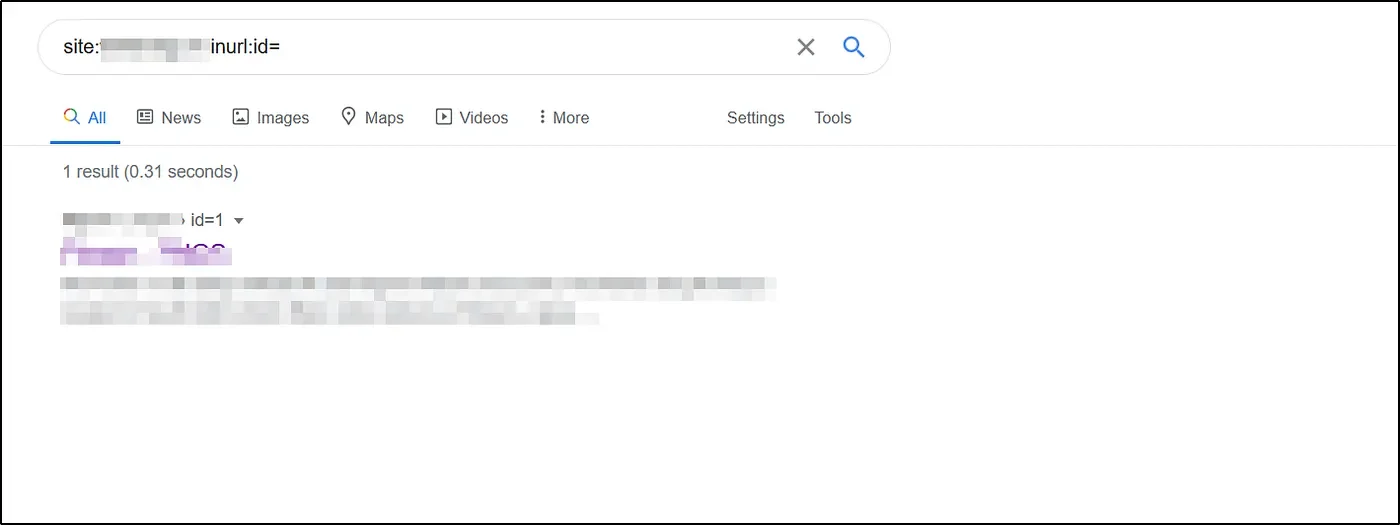
The researcher started with the SQL injection, which he describes as quite an easy find. Wappalyzer showed that the website runs on PHP, so he used a simple Google dork to look for pages with an id parameter:
site:redacted.com inurl:id=
That returned just one URL. The dork restricts results to the target domain and to URLs containing id=, which is a common pattern for pages that load a record by its numeric identifier.

Exploitation
Step 1: provoke an error with a single quote
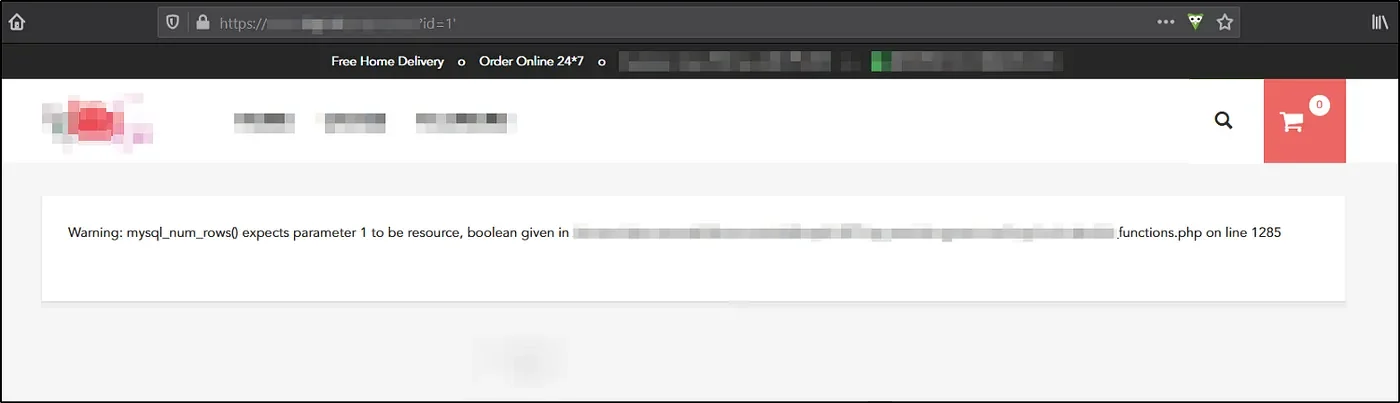
He appended a single quote to the value of the parameter:
id=1'
The application returned a MySQL error. A database error surfacing in the response to a malformed string literal is the classic sign that user input is being concatenated into a SQL query without proper parameterisation.
Step 2: confirm with a time-based payload
To confirm the injection rather than rely on the error alone, he injected a sleep command. It worked, which confirmed the vulnerability. The report does not reproduce the exact sleep payload.
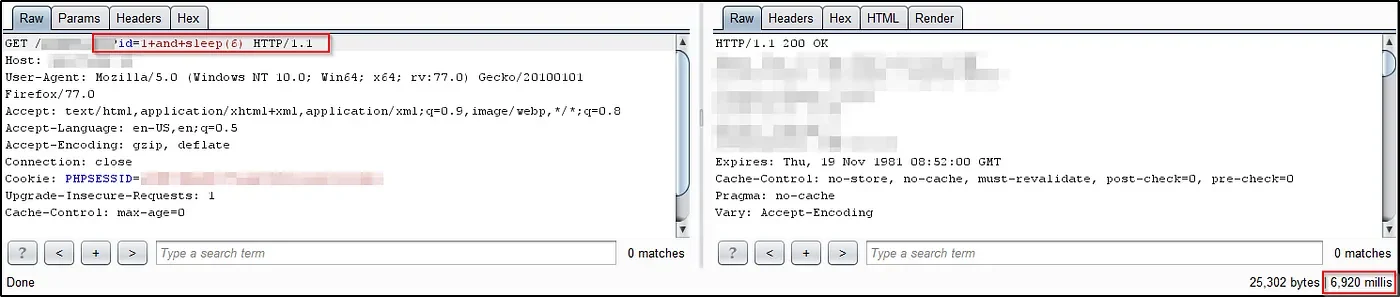
He states that this was enough for a proof of concept. He reported it and the team fixed it pretty quickly.
Step 3: try to bypass the project limit on the web
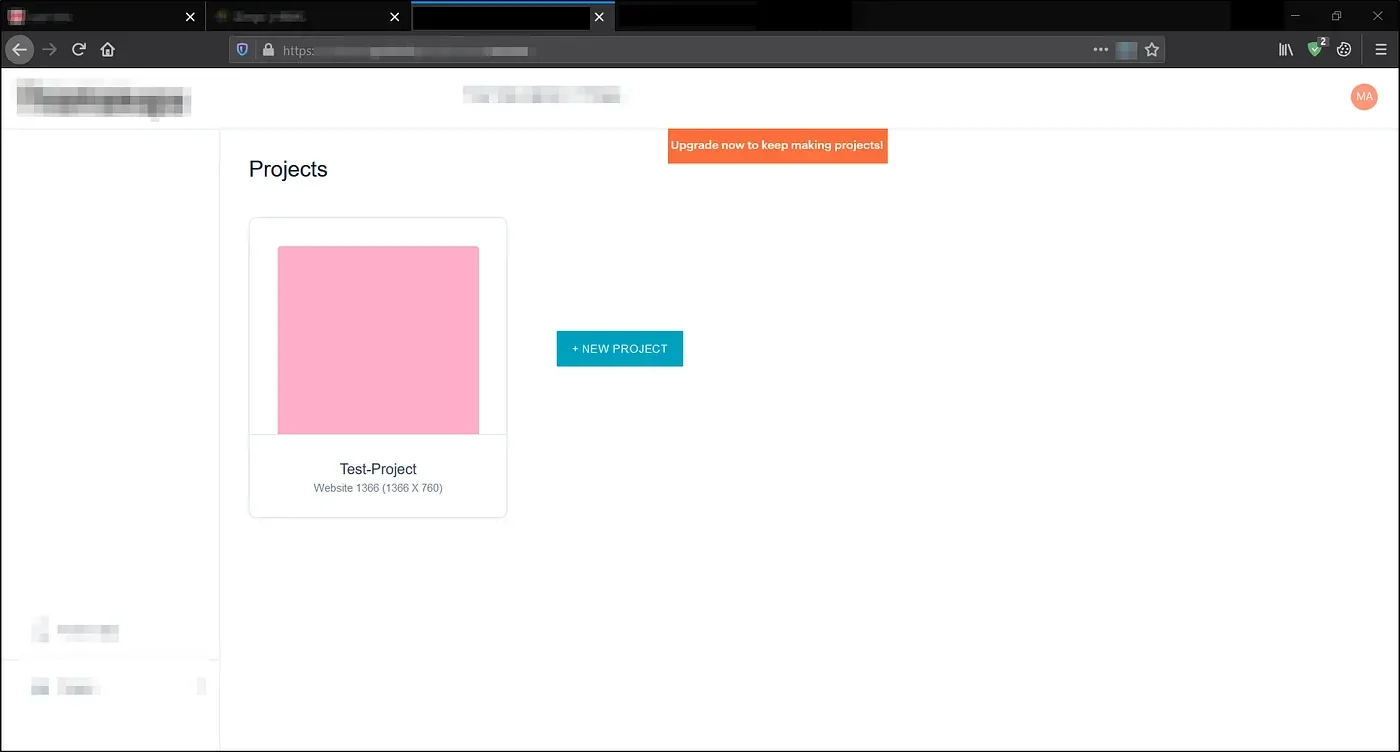
On the second target, the product for creating projects or presentations, clicking New Project redirected him to the payment page. To get around the paywall he tried Turbo Intruder, sending the request that creates a project multiple times. That approach gave him errors, so he abandoned it and turned to the app version from the Playstore instead.
Step 4: create unlimited projects through the app
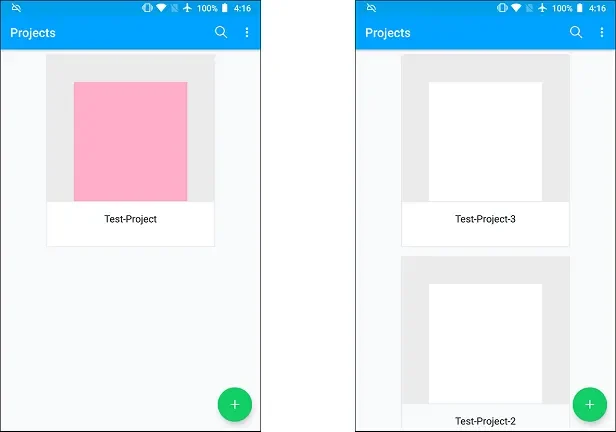
Browsing the app, he found that it let him create multiple projects without any restrictions. There was an add button in the app that let him create as many projects as he wanted.
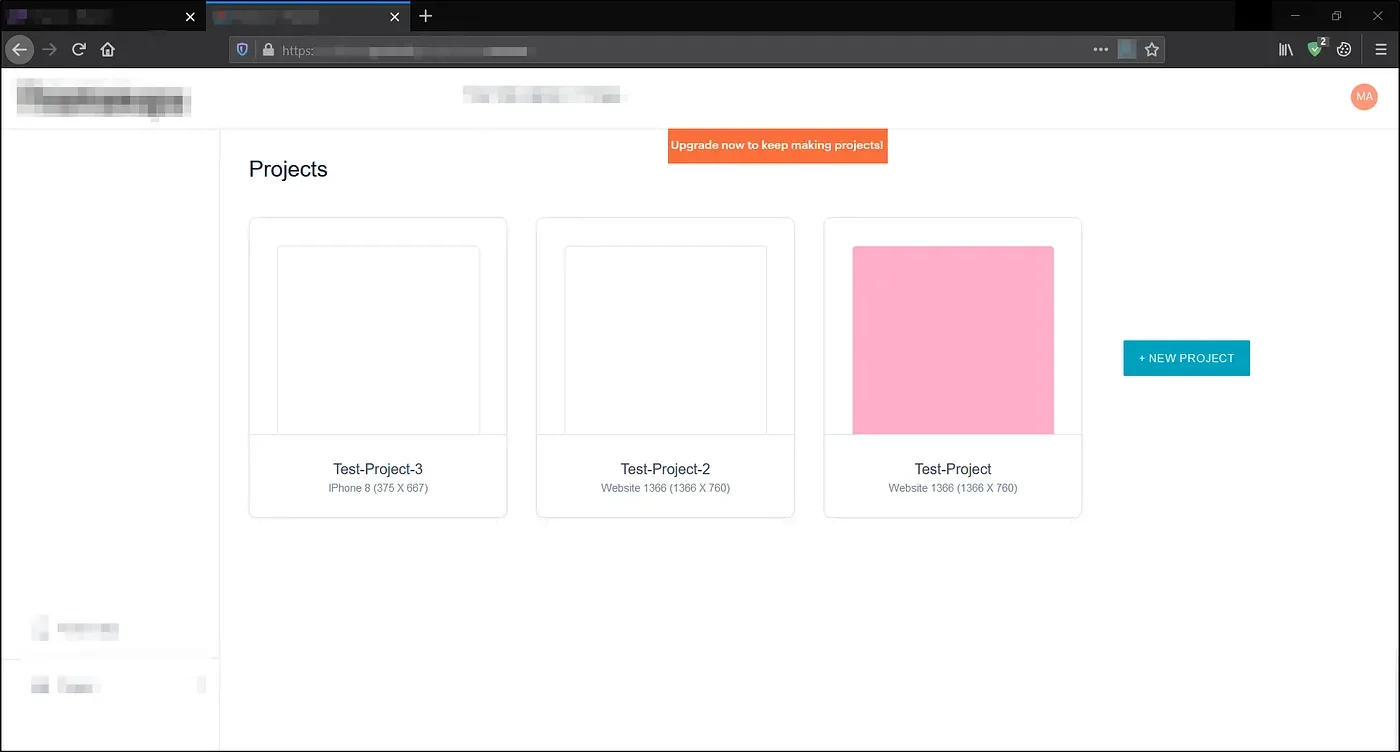
The changes reflected on the website as well, which shows that both clients write to the same backend. The report does not state where the limit was enforced.
And just like that the limit was bypassed. The app was really old and had not been updated for years.
Root cause
The SQL injection is the familiar case of input being placed into a query without parameterisation: a single quote broke the query and produced a MySQL error, and a time-based payload executed, so the database was interpreting attacker-controlled SQL. The report does not describe the query or any server-side defence.
For the business logic issue, the likely cause is that the one-project limit for free accounts was enforced in the web application's flow (the redirect to the payment page) rather than on the server side when a project is created. The older mobile client did not implement that check, and the backend accepted its requests.
Impact
The SQL injection was confirmed through the vulnerable parameter by the MySQL error and the sleep command. The report does not enumerate what data was reachable.
The logic flaw let a free user create multiple projects, which the web flow required an upgrade for. It required access to the old Android app; the web flow alone redirected to payment and the Turbo Intruder attempt failed.
Fix
The SQL injection was fixed by the team quickly, according to the report; the specific change is not described. For the logic flaw, the durable fix is to enforce the project limit on the server for every client, so that the web and the app share the same rule.
The team gave a bounty rather than coupons.
Variants to test
- Dork for numeric parameters on other assets of the same organisation, for example
site:target.com inurl:id=, then append a single quote and look for a database error. A positive result is a MySQL (or other DB) error in the response. - Confirm with a time-based payload in the same parameter and measure the delay. A positive result is a consistent response-time increase matching the sleep value.
- For freemium limits, compare every client: web, Android, iOS, API. Create the restricted resource from each and check whether the server rejects it. A positive result is a resource created from a client that the web flow blocks.
- Race the creation request with a tool such as Turbo Intruder, sending it many times in parallel. A positive result is more resources created than the plan allows.
- Look for old or unmaintained mobile clients of the same product, since they may predate server-side checks. A positive result is a feature available in the app but paywalled on the web.
Always look at the app of the website if it has one. Sometimes developers forget about the app and functionalities are never updated.

What happened, in plain words
This is a story about two bugs found during the 2020 lockdown. A bug is simply a mistake in how a website or app is built, one that lets someone make it do something the builders did not intend. A bug bounty is a scheme where a company pays people for finding and reporting those mistakes before criminals do. A VDP, or vulnerability disclosure programme, is the same idea but usually without money: the company just asks people to tell them about problems.
The researcher had already reported many bugs to one company. That company runs a public VDP, and because he had been useful to them, they asked him to look at a completely different website that they own. Both bugs in this write-up come from that second website.
The first bug is a SQL injection on a website built with PHP. PHP is a programming language commonly used to build websites. SQL injection is a way of sneaking database instructions into a website through a form field or a link, so that the database does the intruder's bidding instead of the website's. A database is the organised store of information behind a site: user records, articles, orders and so on.
The second bug is a business logic flaw. Business logic is the set of rules a product is supposed to follow, for example "a free account may create only one project". A logic flaw is when the product does not actually enforce one of those rules, so a user can do something the rules forbid without breaking any technical barrier. The product in question is a website for creating projects or presentations and sharing them with others. On the web version, a free account can create only one project, and creating more requires an upgrade to a paid plan. The mobile app from the Playstore, which had not been updated for years, did not enforce that limit at all.
The researcher notes that he had permission from the company before publishing the blog.
The tools, and why each one was used
Nothing exotic was needed. Here is what he used and what each item is for:
- Wappalyzer, a browser extension that looks at a website and guesses what technology it is built with, such as PHP, WordPress or a particular web server. Think of it as reading the label on the back of a machine to see who made it.
- A Google dork, which is a search query written with special operators so that Google returns very specific pages instead of ordinary results. It is used to find pages that match a pattern, without browsing the site by hand.
- A free account on the project and presentation product, so he could use it the way a normal customer would.
- Turbo Intruder, a tool that sends the same web request many times, very fast and often in parallel. It is used to test what happens when a request arrives more than once at the same moment.
- The Android app from the Playstore, as a second way to reach the same product. A product often has several front doors: the website in a browser, an Android app, an iPhone app. They all talk to the same back end.
The report does not give versions, endpoints, parameters or headers beyond the few quoted below.
Finding the first bug
The researcher started with the SQL injection, which he describes as quite an easy find. Wappalyzer showed that the website runs on PHP, so he used a simple Google dork to look for pages with an id parameter:
site:redacted.com inurl:id=
Line by line, in plain words:
site:redacted.comtells Google to return only pages from that one domain. Without it, Google would search the whole internet.inurl:id=tells Google to return only pages whose address contains the textid=. A URL is the address of a page, the thing in the browser's address bar. The part after a question mark in a URL carries values to the page, andid=is a very common way of saying "here comes a record number".- Together, the query asks: on this domain, show me every page that takes a record number in its address.
That returned just one URL. The dork restricts results to the target domain and to URLs containing id=, which is a common pattern for pages that load a record by its numeric identifier. A numeric identifier is just a number that points at one row in the database, like a ticket number at a deli counter.
Exploiting it
Step 1: provoke an error with a single quote
He appended a single quote to the value of the parameter:
id=1'
What this means: the page was being asked for record number 1, and he added a ' character at the end. In SQL, the language used to talk to databases, text values are wrapped in single quotes, like 'hello'. A lone quote in the middle of a query makes the query malformed, the same way an unclosed quotation mark makes a sentence confusing. If the website is pasting whatever the user typed straight into its database query, that stray quote ends up inside the query and breaks it.
The application returned a MySQL error. MySQL is a popular database system. A database error surfacing in the response to a malformed string literal is the classic sign that user input is being concatenated into a SQL query without proper parameterisation. Concatenation means gluing pieces of text together; parameterisation means passing user input as a separate, safely handled value instead of gluing it into the query text. Seeing the error is like a shop assistant reading your handwritten note aloud and stumbling: it proves your words reached the instruction, not just the counter.
Step 2: confirm with a time-based payload
An error alone can be a coincidence, so he confirmed the injection rather than relying on the error. He injected a sleep command. A sleep command tells the database to pause for a set number of seconds before answering. It worked, which confirmed the vulnerability. The report does not reproduce the exact sleep payload.
He states that this was enough for a proof of concept. A proof of concept, or POC, is the smallest demonstration that proves a bug is real, without causing harm or going further than necessary. He reported it and the team fixed it pretty quickly.
Step 3: try to bypass the project limit on the web
On the second target, the product for creating projects or presentations, clicking New Project redirected him to the payment page. In other words, the website's own screens enforced the rule: want a second project, pay first. To get around the paywall he tried Turbo Intruder, sending the request that creates a project multiple times. A request is the message your browser sends to a website when you click something, for example "create a project for me". Sending it many times quickly is a way of testing whether the server counts correctly when several arrive at once, which is called a race condition. That approach gave him errors, so he abandoned it and turned to the app version from the Playstore instead.
Step 4: create unlimited projects through the app
Browsing the app, he found that it let him create multiple projects without any restrictions. There was an add button in the app that let him create as many projects as he wanted. The app, in effect, was a second front door to the same building, and that door had no lock on it.
The changes reflected on the website as well. This is the important part: both the website and the app write to the same back end, the shared server and database behind the product. If a project made in the app appears on the website, then the app is not a separate toy, it is the real product. It also suggests the limit was not enforced on the server, though the report does not state where the check lived. The web client was politely redirecting him to payment; the server was accepting whatever it was told.
And just like that the limit was bypassed. The app was really old and had not been updated for years.
Why the bugs existed
The SQL injection is the familiar case of input being placed into a query without parameterisation. A single quote broke the query and produced a MySQL error, and a time-based payload executed, so the database was interpreting attacker-controlled SQL. In everyday terms: the website was treating the visitor's typing as part of its own instructions to the database, instead of as a harmless piece of data.
For the business logic issue, the likely cause is that the one-project limit for free accounts was enforced in the web application's flow, meaning the redirect to the payment page, rather than on the server side when a project is created. The older mobile client did not implement that check, and the back end accepted its requests. A useful comparison: a nightclub that checks ID only at the front door, and leaves the fire exit open, has not really checked ID.
What the bugs meant in practice
The SQL injection was confirmed through the vulnerable parameter by the MySQL error and the sleep command. The report does not enumerate what data was reachable.
The logic flaw let a free user create multiple projects, which the web flow required an upgrade for. Access control means deciding who is allowed to do what; bypassing it means doing something you were not supposed to be allowed to do. It required access to the old Android app; the web flow alone redirected to payment and the Turbo Intruder attempt failed.
How it was fixed
The SQL injection was fixed by the team quickly, according to the report; the specific change is not described. For the logic flaw, the durable fix is to enforce the project limit on the server for every client, so that the web and the app share the same rule.
The team gave a bounty rather than coupons. A bounty here means a cash reward; coupons would have been store credit or discounts instead.
Things worth trying yourself
- Dork for numeric parameters on other assets of the same organisation, for example
site:target.com inurl:id=, then append a single quote and look for a database error. A positive result is a MySQL (or other database) error in the response. - Confirm with a time-based payload in the same parameter and measure the delay. A positive result is a consistent response-time increase matching the sleep value.
- For freemium limits, compare every client: web, Android, iOS, API. An API is the interface a program uses to talk to a server, the same way a waiter takes orders between you and the kitchen. Create the restricted resource from each client and check whether the server rejects it. A positive result is a resource created from a client that the web flow blocks.
- Race the creation request with a tool such as Turbo Intruder, sending it many times in parallel. A positive result is more resources created than the plan allows.
- Look for old or unmaintained mobile clients of the same product, since they may predate server-side checks. A positive result is a feature available in the app but paywalled on the web.
Always look at the app of the website if it has one. Sometimes developers forget about the app and functionalities are never updated.
Glossary
- Bug: a mistake in how software is built that makes it behave in a way its makers did not intend.
- Bug bounty: a scheme where a company pays people for finding and reporting security bugs responsibly.
- VDP (vulnerability disclosure programme): a company's public invitation to report security problems, usually without a cash reward.
- PHP: a programming language widely used to build websites.
- SQL: the language used to ask questions of and give instructions to a database.
- Database: the organised store of information behind a website or app.
- SQL injection: sneaking database instructions into a website through input such as a form field or URL parameter, so the database runs the intruder's commands.
- Business logic: the rules a product is meant to follow, such as how many projects a free account may create.
- Logic flaw: a bug where a product fails to enforce one of its own rules, letting a user do something the rules forbid.
- Wappalyzer: a browser extension that identifies the technologies a website is built with.
- Google dork: a Google search written with special operators to find very specific pages, such as pages with a particular pattern in their address.
- URL: the address of a page, as shown in the browser's address bar.
- Parameter: a named value passed to a page in its URL, such as
id=1. - Numeric identifier: a number that points at one specific record in a database.
- Single quote: the
'character, used in SQL to wrap text values; a stray one can break a query. - MySQL: a popular database system.
- Concatenation: gluing pieces of text together, here putting user input directly into a database query.
- Parameterisation: passing user input to a database as a separate, safely handled value instead of gluing it into the query text.
- Sleep command: a database instruction that pauses for a set time, used to prove that injected SQL actually ran.
- Time-based payload: an injected instruction whose effect is a measurable delay, used to confirm a vulnerability.
- Proof of concept (POC): the smallest demonstration that proves a bug is real, without causing harm.
- Request: the message a browser or app sends to a server when you do something, such as clicking a button.
- Race condition: a situation where several requests arriving at the same moment produce a result none of them would produce alone.
- Turbo Intruder: a tool that sends the same request many times, very fast and often in parallel.
- Client: the part of a product you use directly, such as the website in your browser or the mobile app.
- Server: the computer behind a product that stores data and answers requests.
- Back end: the shared server and database behind all the clients of a product.
- API: the interface a program uses to talk to a server, like a waiter taking orders between you and the kitchen.
- Access control: the rules deciding who is allowed to do what.
- Bypass: getting around a restriction without legitimately satisfying it.
- Freemium: a pricing model where a free tier exists and paid tiers unlock more features.
- Bounty: a cash reward paid for a valid bug report.



