The innocuous but interesting case of Signal’s UNENCRYPTED_FOR_TESTING username
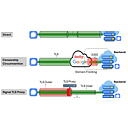
Signal for Android accepted a deep link with the hardcoded username UNENCRYPTED_FOR_TESTING, which enabled a testing-only TCP proxy mode that bypassed the outer TLS layer. An attacker could trick a user into clicking such a link, causing the app to use a proxy without a valid certificate, though the inner TLS layer with certificate pinning still protected the connection.
October 05, 2025
The full write-up lives on its author's site
It belongs to its author, so we link to it rather than copy it. The other two tabs are our own rewrites, checked against it.
Not written yet. The AI write-up for this write-up has not been written yet. The Original tab links to the source.
How it worked
Root cause
Likely the Android deep link validation did not reject the special username UNENCRYPTED_FOR_TESTING, allowing production builds to activate a testing-only proxy mode that bypasses outer TLS certificate validation.
Impact
An attacker could trick a Signal for Android user into enabling a proxy that does not meet Signal's certificate requirements, but the impact is very limited because the inner TLS layer with certificate pinning still protects the connection.
What the attacker needed
Victim uses Signal for Android; victim clicks a malicious deep link
The fix
Signal fixed it by wrapping this internal functionality under a feature flag.
How it was found
- Craft a Signal proxy deep link containing the username UNENCRYPTED_FOR_TESTING and a malicious proxy host.
- Send the link to a victim via a Signal message.
- The victim clicks the link, and Signal for Android enables the proxy without further validation.
- The app then uses a TCP proxy instead of a TLS proxy, skipping outer TLS certificate checks.
Explained by bugbounty.wiki with AI from the original and checked against quotes from it; it can still be wrong. Read the original before relying on a detail.
Not written yet. The AI write-up for this write-up has not been written yet. The Original tab links to the source.
Signal lets you route your connection through a proxy to bypass censorship. Normally the app checks that the proxy has a valid certificate, but a hidden testing feature called UNENCRYPTED_FOR_TESTING skipped that check. On Android, a specially crafted link could turn on this testing mode, so the app would connect to a proxy without checking its certificate. However, Signal still encrypts the actual messages separately, so the risk was limited.
What is Misconfiguration?
Settings left unsafe: exposed panels, open storage buckets, debug modes, default credentials.