XSS via Fabrico Account Name
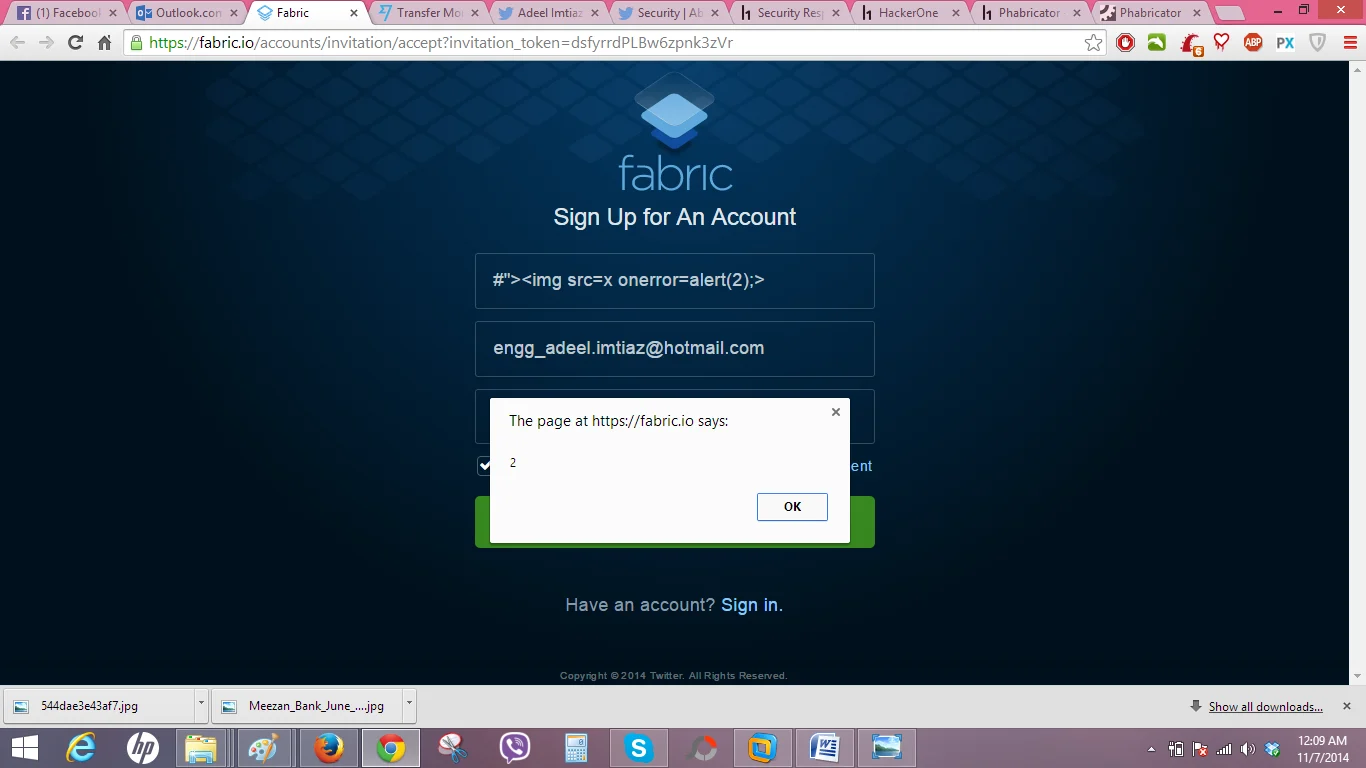
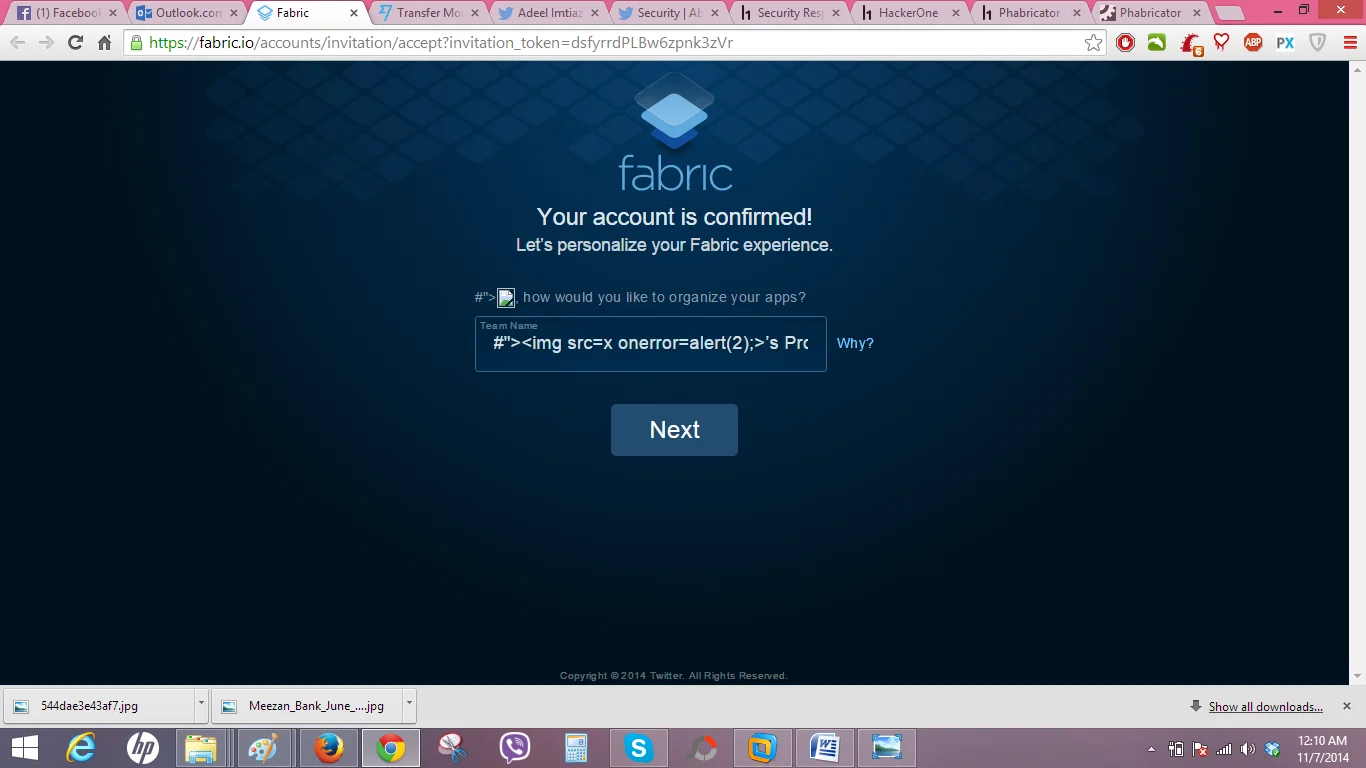
A script payload in the account name during sign-up executed as code after the account was activated, as shown by an alert box.

- Triaged in 6 hours
- Fixed in 8 days
- Paid in 8 days
- Disclosed after 20 months
O.S: Windows 8 Browser: Google Chrome
Steps to reproduce:
- Inject This Payload while Signing Up your account at fabrico #"><img src=x onerror=alert(2);>
- After the Confirmation, Activate your account
That's it Pop Will indicate XSS vulnerability
Attachments
Not written yet. The AI write-up for this report has not been written yet. The Original tab links to the source.
How it worked
Root cause
Likely the account name was stored and later rendered into HTML without output encoding or sanitisation.
Impact
Script executed in the browser when the account was activated, demonstrated by an alert box.
What the attacker needed
Sign up an account; activate the account
Explained by bugbounty.wiki with AI from the original and checked against quotes from it; it can still be wrong. Read the original before relying on a detail.
Not written yet. The AI write-up for this report has not been written yet. The Original tab links to the source.
A crafted name containing an image tag with an error handler ran JavaScript in the browser when the account was activated.
What is XSS?
Script an attacker supplies runs in another user's browser, on the target's origin, with that user's session.



