Story of Google Hall of Fame and Private program bounty worth $$$$
An exposed Plastic SCM server had an unauthenticated password reset page that allowed setting the administrator password, and after logging in the attacker could access private repositories. The attacker then reset a user's password to access the private code repository.
 Published on infosecwriteups.com
Hello Infosec Community myself Basavaraj, this my 2nd writeup, the first one is about Hacking scammers(click here to read), I seen many people getting hall of fames and bounties from google vrp , I thought why should I give a try and successfully got 4 duplicate(and any beginners reading this don't change change your…
The full write-up lives on its author's site
It belongs to its author, so we link to it rather than copy it. The other two tabs are our own rewrites, checked against it.
Context
This write-up covers a hunt against an Alphabet acquisition called Owl Chemylabs. The researcher, Basavaraj Banakar, had previously submitted four reports to the Google VRP that were closed as duplicates, and chose an acquisition as the next target. He notes one precondition for anyone following the same path: check whether the acquisition is still owned by Google or has since been sold, because acquisition information surfaces before divestment information, and a sold company is no longer a Google acquisition.
The product involved is Plastic SCM, a source control system. The researcher links to its Wikipedia page for background:
Plastic SCM: https://en.wikipedia.org/wiki/Plastic_SCM
The exposed surface was the Plastic SCM server's web interface, which includes a login panel, an account registration and password reset flow, and a web UI for browsing repositories at /webui/repos.
Setup
The researcher did not use recon automation apart from subdomain enumeration and fuzzing; everything else was checked manually. The workflow started with enumerating live subdomains and reviewing them one by one, which consumed a full day without a result. The next day he turned to Shodan with a search query of the form:
ssl:target.com 200
This returned two targets belonging to Owl Chemylabs, both presenting a login page titled Plastic SCM.
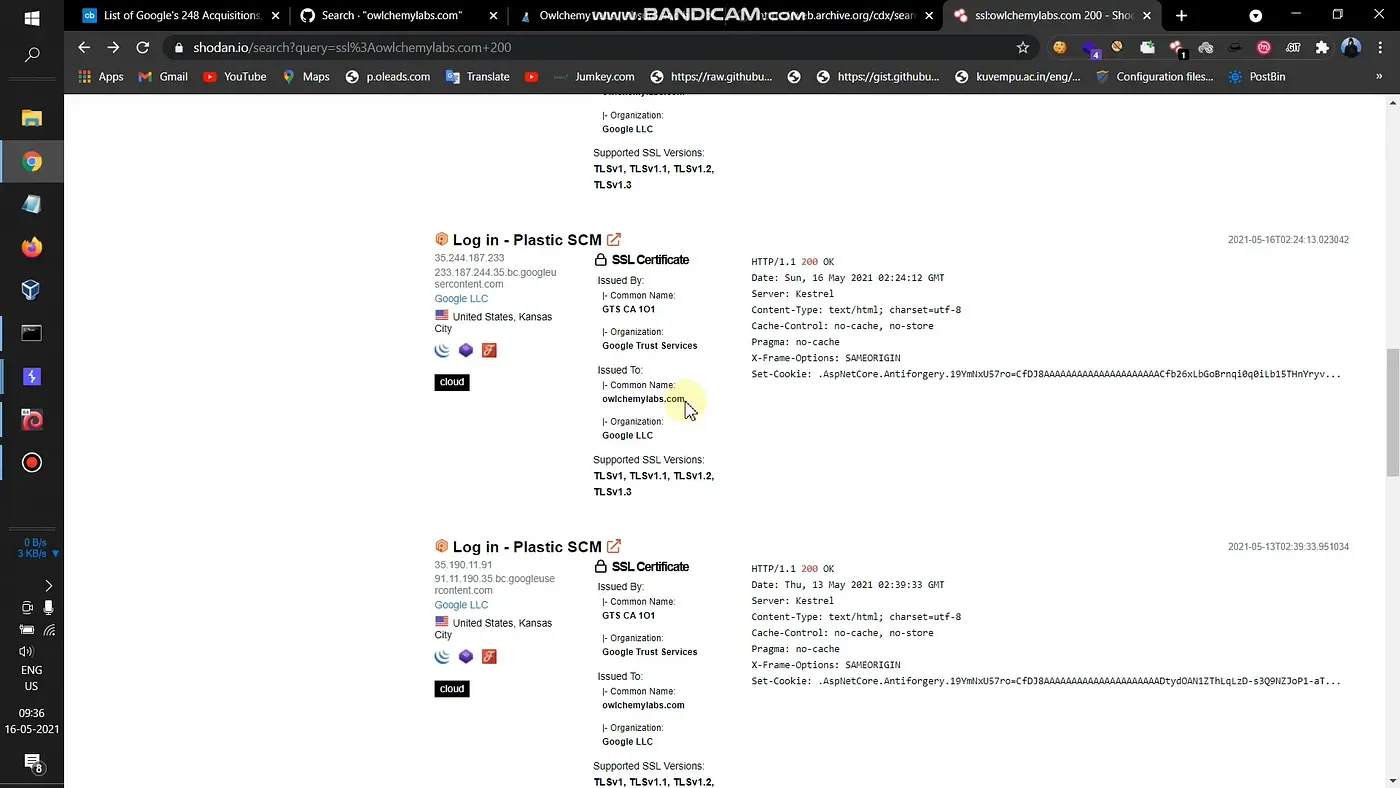
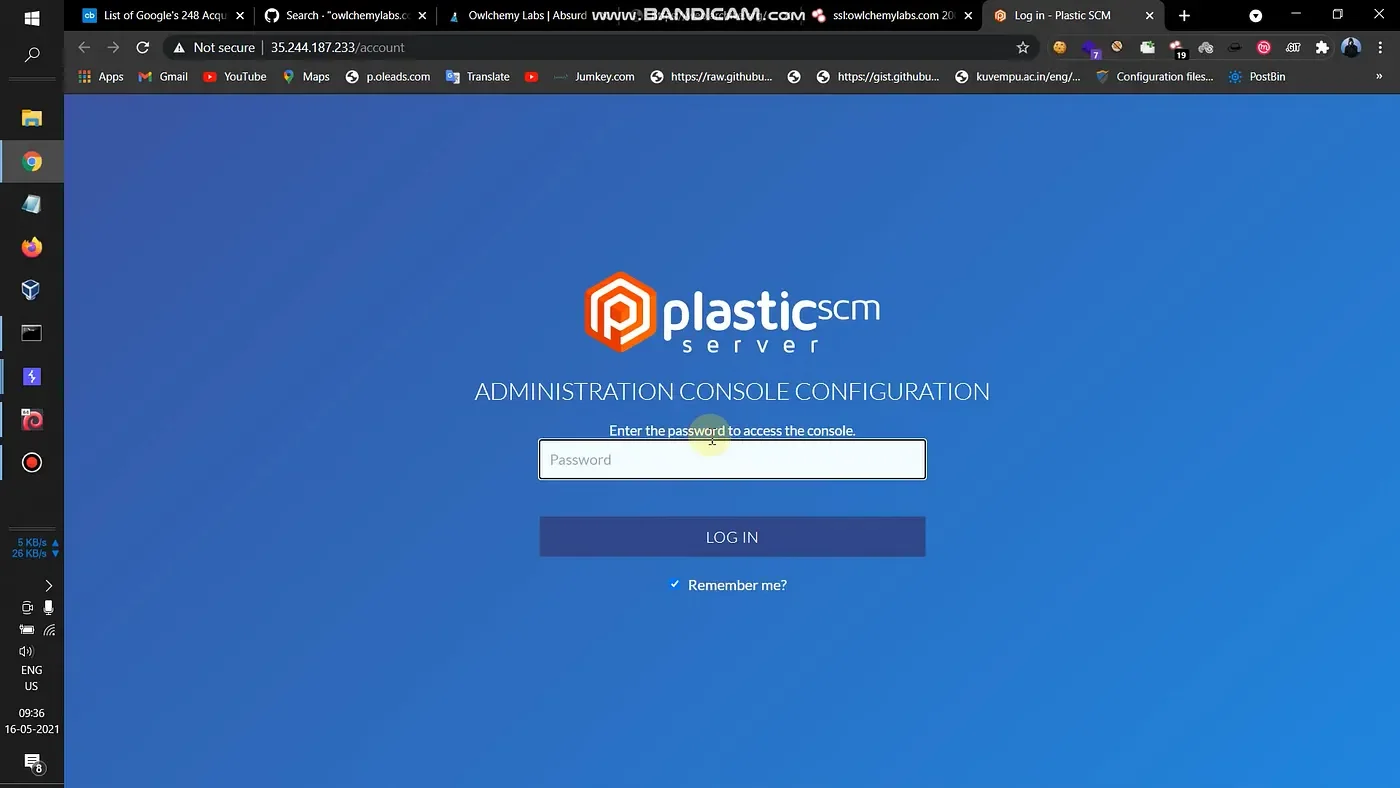
No accounts, credentials or special tooling were needed to begin: the entry point was the public login panel.
Finding it
On the login panel the researcher tried the usual checks: default credentials, JavaScript files and SQL injection. None of them produced anything. What he did notice was a behaviour of the login form: submitting any password and clicking login changed the URL to:
https://[redacted]/account/login
That path suggested a routing scheme under /account/. He removed login from the URL and replaced it with register, giving:
https://[redacted]/account/register
That URL returned a password reset page. According to the researcher, this page appears when a Plastic SCM server has been configured successfully and the final setup step, setting the password, has not been completed. In other words, the installation wizard was still reachable on a production host.
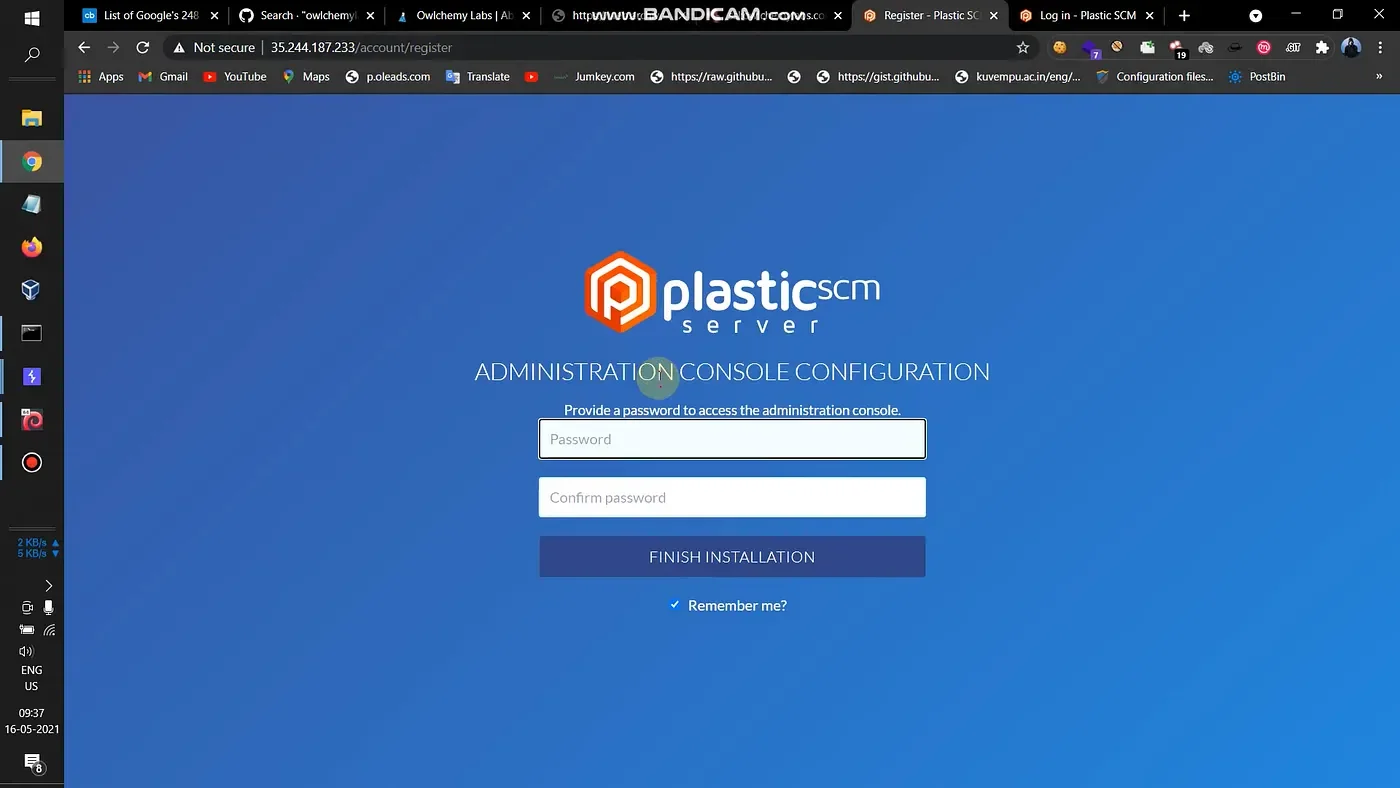
The screenshot shows the password reset page reached at /account/register.
Exploitation
Step 1: complete the pending setup and take over the server
Because the page was the last step of server configuration, it accepted a new password for the administrative account. The researcher set the password to admin and logged in to the server successfully.
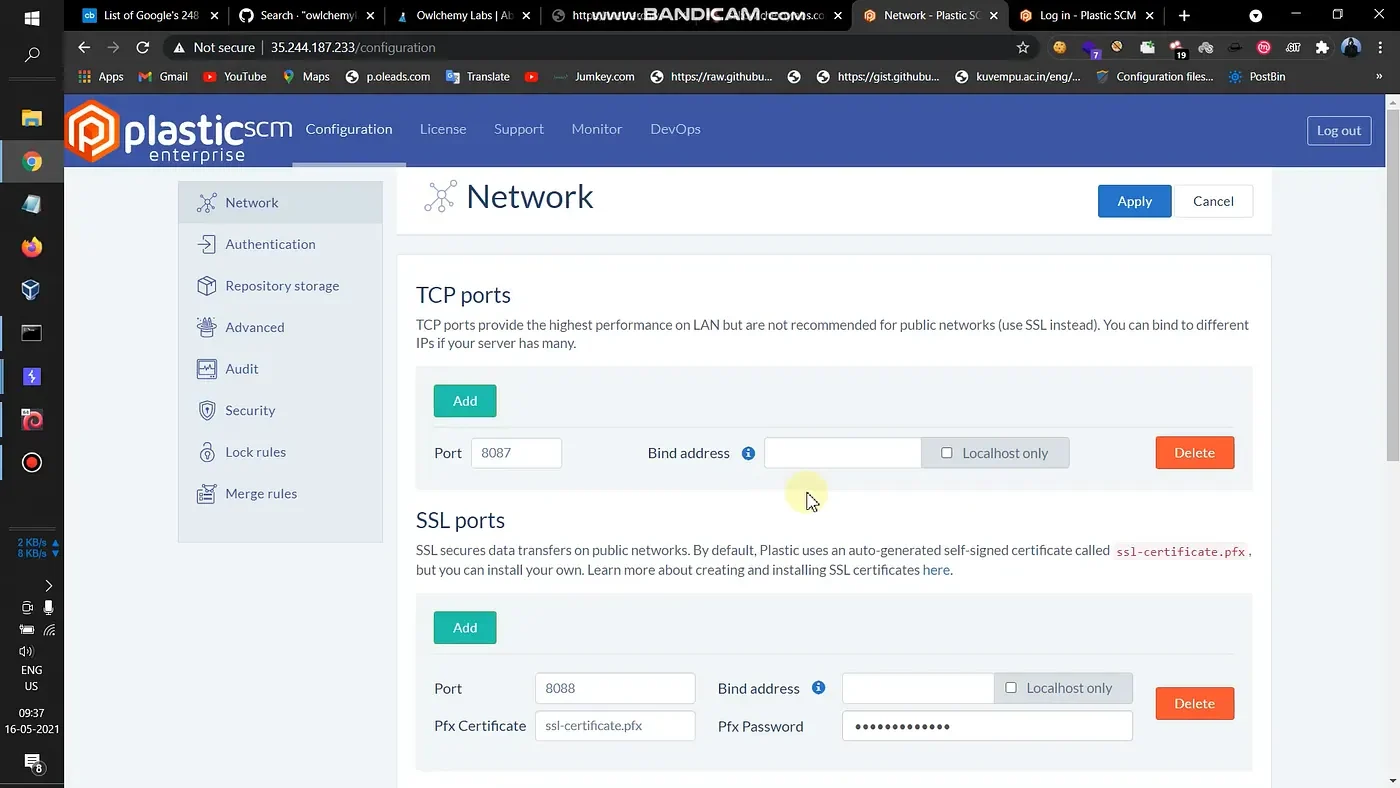
Once inside, he found an SSL Pfx password and a MySQL password, and he was able to add and delete users. He built a proof of concept quickly and reported it to Google.
Step 2: the first report stalls
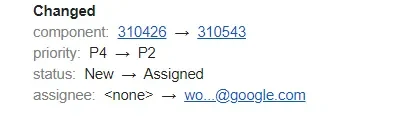
He tried to increase the impact further that day without success. Three days later there was still no reply from Google and the bug had not been accepted, which left him worried about the report.
Step 3: find the repository web UI
He resumed reconnaissance on the same target. After about three hours he came across an endpoint that holds private repository code:
https://[redacted]/webui/repos
Visiting it presented another login page, separate from the one he had already compromised.
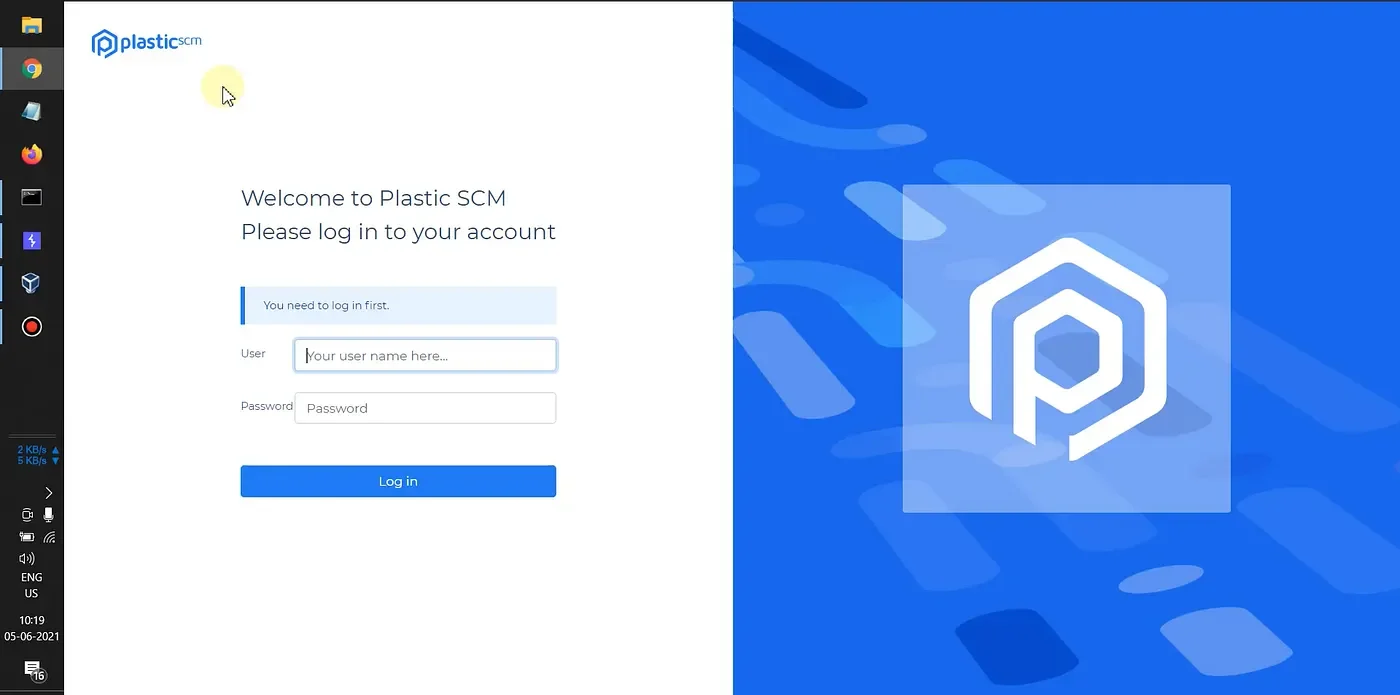
Step 4: the administrator password does not work here
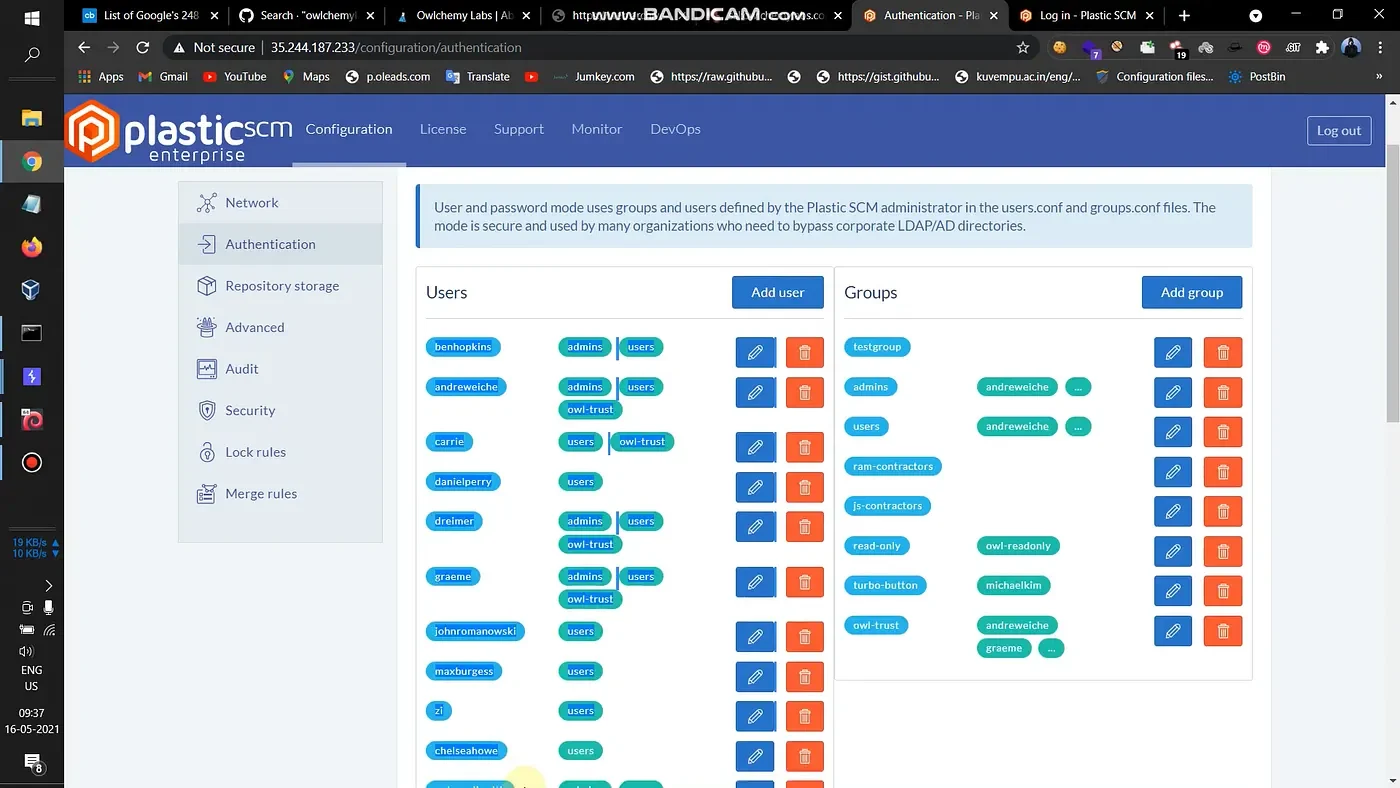
He tried to log in as administrator, since he knew that password from step 1, but the login failed. Default credentials, SQL injection and brute forcing the login page all failed as well. He then remembered that while logged in as administrator he had seen a list of users on the server.
Step 5: reset another administrator's password from the admin session
From that user list he picked a user who had admin permission and changed that user's password, which he could do because he was an administrator.
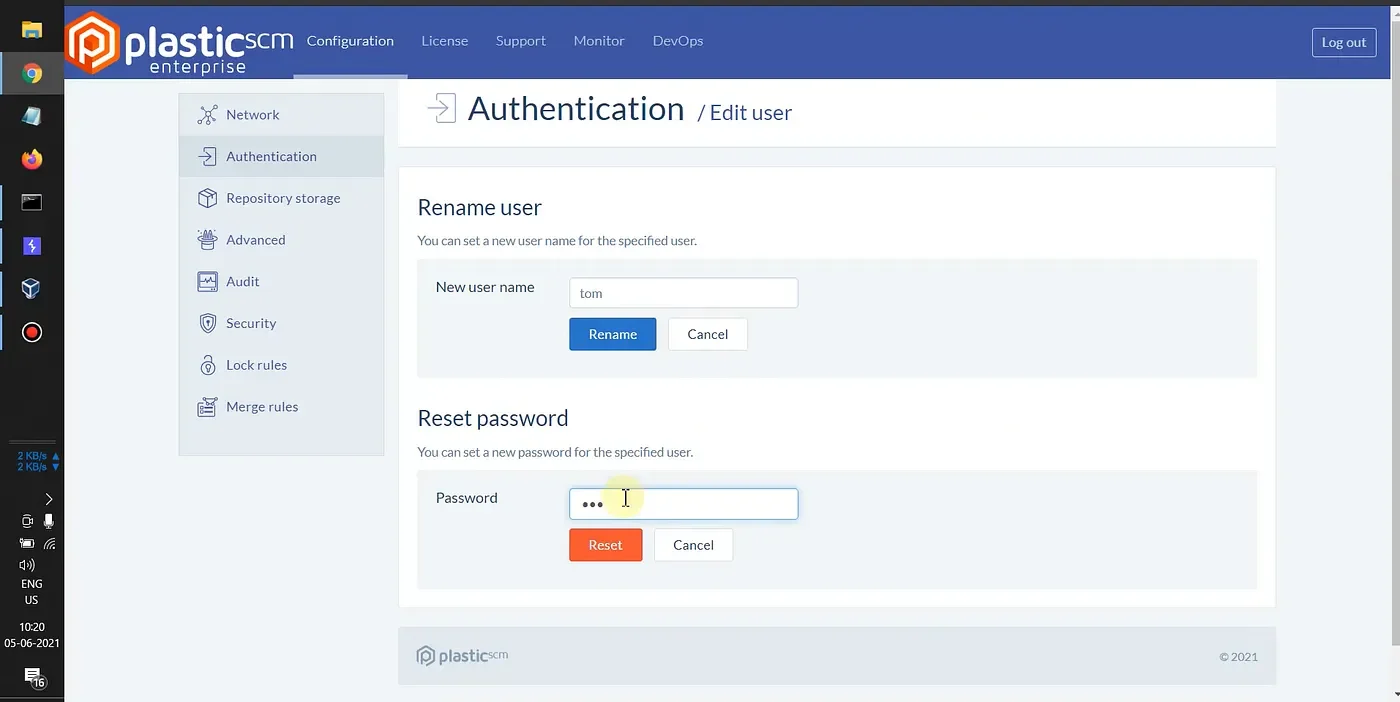
Step 6: log in to the repository UI with the new credentials
He returned to the same endpoint:
https://[redacted]/webui/repos
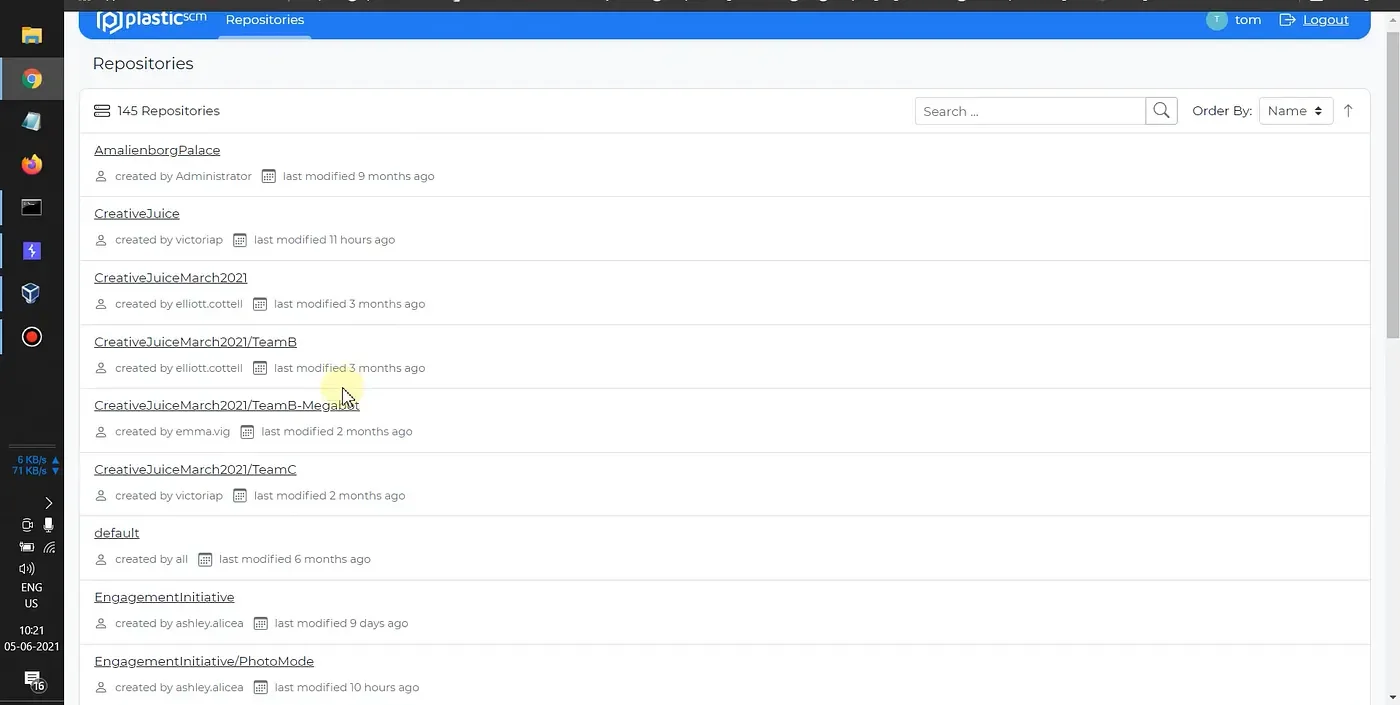
This time he used the username and the password he had just set, and the login succeeded. He was inside the private code repository, which held 145 repositories.
Step 7: report and reward
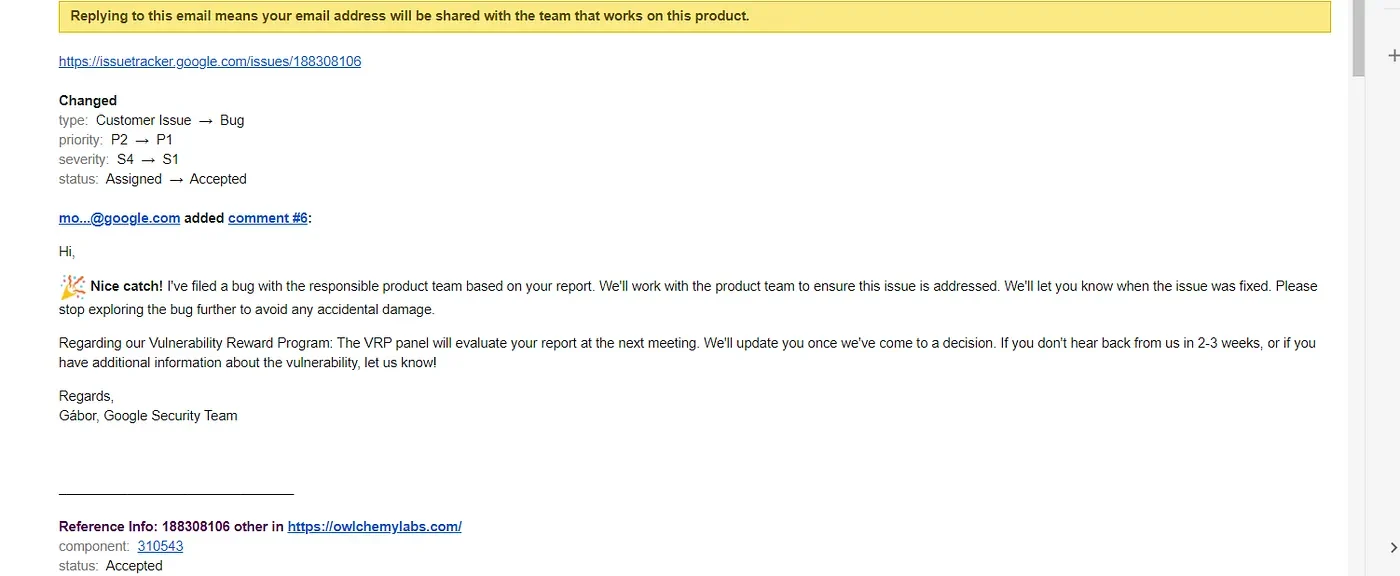
He added a comment to the existing report with the new impact, and received a reply from the Google VRP within an hour. The target was an acquisition and he was rewarded.
He then generalised the technique into a Shodan query for other instances of the same product:
title:"Plastic SCM"
He notes that at the time of writing there were no targets left to report with that query. It did return two URLs belonging to a single target, both vulnerable, and that target had a bug bounty program of its own. He reported them and received a private invite to the program. The program said to report the issues, but its scope was limited and the two URLs were out of scope; because the vulnerability was critical, the report was marked P1 and he was waiting for a bounty.
His stated lesson: when you find a low-level issue, spend time on it to increase the impact as much as possible.
Root cause
The chain, as the report presents it, involved two weaknesses.
- The setup flow was left reachable. The
/account/registerroute, which is the final configuration step that sets the server password, was still exposed on an internet-facing host. Anyone who found the route could set the administrative password and complete the installation themselves. The login form's redirect to/account/logindisclosed the routing scheme that made the sibling route guessable. - The repository web UI trusted a password reset performed by another administrator. Once the attacker held the server administrator role, he could change the password of a user with admin permission on the repository UI, and that new password worked at
/webui/repos. The new password worked at/webui/repos.
The existing defences did not help: default credentials, JavaScript review and SQL injection all failed at the first login panel, and the second login page resisted the administrator password, default credentials, SQL injection and brute force. The way in was configuration and privilege chaining, not credential guessing.
Impact
With the setup page reachable, an unauthenticated attacker could set the server password and log in as administrator. From that session he obtained an SSL Pfx password and a MySQL password and could add and delete users. Using the user list, he could reset the password of a user with admin permission and log in to the repository web UI, reaching private repository code across 145 repositories. The report does not describe what the SSL Pfx password or the MySQL password granted beyond their disclosure.
Fix
The report does not state what Google or the vendor changed.
Variants to test
- Route guessing from login redirects. Submit any password on a login form and watch the resulting URL. If it lands on a path such as
/account/login, try sibling paths like/account/register. A positive result is a setup, registration or password reset page that should not be public. - Shodan for the product banner. Search for the product title, for example
title:"Plastic SCM", and check each hit for an unfinished setup flow. A positive result is a host where the final configuration step is still pending. - Privilege chaining between interfaces. After obtaining an administrative session on one interface, look for a user list and try resetting the password of a user with admin rights on a second interface. A positive result is that the new password works on the second login page.
- Acquisition scope check. Before hunting an acquisition, confirm it is still owned by the parent company rather than sold, since a divested company is out of scope.
Timeline
| Event | Date |
|---|---|
| Reported | May 16, 2021 |
| Accepted | May 20, 2021 |
| Rewarded | May 25, 2021 |
| Fixed | Jun 7, 2021 |
What happened, in plain words
A security researcher found a website that belonged to a company Google had bought. The website was running a program called Plastic SCM, which is used by software teams to store and manage their code. The setup of that program had never been finished, so a special page that is only meant to be used once, during installation, was still reachable from the internet. Anyone who found that page could set the administrator password and take over the server. The researcher did exactly that, then used the access he gained to reach a second, separate login page that protected the company's private code repositories. The first password did not work there, so he used his administrator access to reset the password of another administrator account, and with that new password he got into the repository interface, which held 145 private repositories. He reported it to Google's bug bounty program and was rewarded.
This article explains every step for someone who has never done security testing before. You only need a browser and a computer to follow the ideas.
Background: what is a bug bounty, an acquisition, and Plastic SCM?
A bug bounty program is a scheme where a company pays people for finding and reporting security problems in its systems. Google runs one called the Google VRP (Vulnerability Reward Program). A hall of fame is a public list of researchers who have reported valid bugs; it is a recognition, not money.
An acquisition is when one company buys another. Google has bought many companies over the years. When you hunt on an acquisition, you are testing a company that Google owns, so its bugs may be in scope for Google's program. The researcher warns about one thing: check that the company is still owned by Google and has not been sold again. News of a purchase comes out before news of a sale, so a company you think is a Google acquisition may no longer be one. If it has been sold, it is not a Google acquisition and is out of scope.
Plastic SCM is a source control system. Think of it as a very advanced shared folder with a history: software teams put their code there, and the system keeps every version, who changed what, and lets people work on separate copies. The researcher links to its Wikipedia page for background:
Plastic SCM: https://en.wikipedia.org/wiki/Plastic_SCM
The part that was exposed was the web interface of a Plastic SCM server. A web interface is the set of pages you see in a browser when you visit the server. It included a login panel, a registration and password reset flow, and a page for browsing repositories at /webui/repos.
Setup: how the target was found
Reconnaissance (recon) is the information-gathering phase: finding out which computers and websites belong to the target. Subdomain enumeration means finding names like mail.example.com or dev.example.com that sit under the main domain. Fuzzing means sending lots of slightly different requests automatically to see how the server reacts.
The researcher did not automate most of the work. He enumerated live subdomains and then looked at them one by one by hand. That took a full day and produced nothing.
The next day he used Shodan. Shodan is a search engine for internet-connected devices and servers, not for web pages. It constantly scans the internet and records what each server says about itself, such as the title of its login page or the kind of encryption certificate it uses. You can search those records. He used a query of this form:
ssl:target.com 200
Line by line:
ssl:target.comasks Shodan for servers whose SSL certificate mentionstarget.com. An SSL certificate is the digital ID a website presents so your browser can encrypt the connection and confirm it is talking to the right place. Certificates often contain the domain name.200asks for servers that answered with HTTP status code 200, which means "OK, here is the page".
This returned two targets belonging to Owl Chemylabs, both showing a login page titled Plastic SCM.
No account, password or special tool was needed to start. The way in was the public login panel itself.
Finding the weakness: guessing a hidden page from the login URL
On the login panel he tried the usual beginner checks:
- Default credentials: many products ship with a built-in administrator account and a well-known password, such as
admin/admin. If nobody changed it, you can log in. - JavaScript files: the code that runs in your browser is downloaded as
.jsfiles. Developers sometimes leave comments, hidden URLs or API keys in them. Reading those files can reveal how the site works. - SQL injection: a technique where you put database commands into a form field to try to make the server run them. It is a classic attack, but it did not work here.
None of these produced anything. What he did notice was how the login form behaved. When he typed any password and clicked login, the address bar changed to:
https://[redacted]/account/login
This is a URL. The part after the domain, /account/login, is the path. The path tells the server which page you want. Seeing /account/login suggests the site organises account pages under /account/, and that other pages might live at sibling paths.
He removed login from the URL and replaced it with register, giving:
https://[redacted]/account/register
That URL returned a password reset page. According to the researcher, this page appears when a Plastic SCM server has been configured successfully but the final setup step, setting the password, has not been completed. In other words, the installation wizard was still reachable on a live, internet-facing server. An installation wizard is the series of pages you go through when you first set up software; it should disappear or be locked once setup is done.
The screenshot shows the password reset page reached at /account/register.
Exploitation
Step 1: finish the pending setup and take over the server
Because the page was the last step of server configuration, it accepted a new password for the administrative account. The researcher set the password to admin and logged in to the server successfully.
Once inside, he found an SSL Pfx password and a MySQL password, and he was able to add and delete users. He built a proof of concept (PoC) quickly and reported it to Google. A PoC is a small, clear demonstration that a vulnerability is real, usually a screenshot or a short set of steps that anyone can repeat.
An SSL Pfx password protects a .pfx file, which is a container for a certificate and its private key; the private key is what lets a server prove its identity. MySQL is a popular database system, and its password gives access to the data stored in it.
Step 2: the first report stalls
He tried to increase the impact further that day without success. Three days later there was still no reply from Google and the bug had not been accepted, which left him worried about the report. This is normal in bug bounty work: reports go through triage, and silence does not mean rejection.
Step 3: find the repository web UI
He resumed reconnaissance on the same target. After about three hours he came across an endpoint that holds private repository code:
https://[redacted]/webui/repos
An endpoint is a specific address on a server that does something, such as returning a page or data. /webui/repos is the path for the web interface that lists repositories. Visiting it presented another login page, separate from the one he had already compromised.
Step 4: the administrator password does not work here
He tried to log in as administrator, since he knew that password from step 1, but the login failed. Default credentials, SQL injection and brute forcing the login page all failed as well. Brute forcing means trying many passwords automatically, often from a list of common ones, until one works. He then remembered that while logged in as administrator he had seen a list of users on the server.
Step 5: reset another administrator's password from the admin session
From that user list he picked a user who had admin permission and changed that user's password, which he could do because he was an administrator. This is privilege chaining: using access you already have on one system to obtain access on another. The server administrator could reset the password of a repository administrator.
Step 6: log in to the repository UI with the new credentials
He returned to the same endpoint:
https://[redacted]/webui/repos
This time he used the username and the password he had just set, and the login succeeded. He was inside the private code repository, which held 145 repositories.
Step 7: report and reward
He added a comment to the existing report with the new impact, and received a reply from the Google VRP within an hour. The target was an acquisition and he was rewarded.
He then generalised the technique into a Shodan query for other instances of the same product:
title:"Plastic SCM"
Line by line:
title:tells Shodan to search the title of the page, which is the text shown in the browser tab."Plastic SCM"is the exact phrase to look for. The quotes keep the words together as one phrase.
He notes that at the time of writing there were no targets left to report with that query. It did return two URLs belonging to a single target, both vulnerable, and that target had a bug bounty program of its own. He reported them and received a private invite to the program. The program said to report the issues, but its scope was limited and the two URLs were out of scope; because the vulnerability was critical, the report was marked P1 and he was waiting for a bounty. Scope is the list of systems a program allows you to test; anything outside it is out of scope. P1 is the highest priority level in many programs, meaning a critical issue.
His stated lesson: when you find a low-level issue, spend time on it to increase the impact as much as possible.
Root cause
The chain, as the report presents it, involved two weaknesses.
- The setup flow was left reachable. The
/account/registerroute, which is the final configuration step that sets the server password, was still exposed on an internet-facing host. Anyone who found the route could set the administrative password and complete the installation themselves. The login form's redirect to/account/logindisclosed the routing scheme that made the sibling route guessable. - The repository web UI trusted a password reset performed by another administrator. Once the attacker held the server administrator role, he could change the password of a user with admin permission on the repository UI, and that new password worked at
/webui/repos. The new password worked at/webui/repos.
The existing defences did not help: default credentials, JavaScript review and SQL injection all failed at the first login panel, and the second login page resisted the administrator password, default credentials, SQL injection and brute force. The way in was configuration and privilege chaining, not credential guessing.
Impact
With the setup page reachable, an unauthenticated attacker could set the server password and log in as administrator. From that session he obtained an SSL Pfx password and a MySQL password and could add and delete users. Using the user list, he could reset the password of a user with admin permission and log in to the repository web UI, reaching private repository code across 145 repositories. The report does not describe what the SSL Pfx password or the MySQL password granted beyond their disclosure.
Fix
The report does not state what Google or the vendor changed.
Variants to test
- Route guessing from login redirects. Submit any password on a login form and watch the resulting URL. If it lands on a path such as
/account/login, try sibling paths like/account/register. A positive result is a setup, registration or password reset page that should not be public. - Shodan for the product banner. Search for the product title, for example
title:"Plastic SCM", and check each hit for an unfinished setup flow. A positive result is a host where the final configuration step is still pending. - Privilege chaining between interfaces. After obtaining an administrative session on one interface, look for a user list and try resetting the password of a user with admin rights on a second interface. A positive result is that the new password works on the second login page.
- Acquisition scope check. Before hunting an acquisition, confirm it is still owned by the parent company rather than sold, since a divested company is out of scope.
Timeline
| Event | Date |
|---|---|
| Reported | May 16, 2021 |
| Accepted | May 20, 2021 |
| Rewarded | May 25, 2021 |
| Fixed | Jun 7, 2021 |
Glossary
- Acquisition: when one company buys another; here, a company owned by Google.
- Brute forcing: trying many passwords automatically until one works.
- Bug bounty program: a scheme where a company pays people for reporting security problems.
- Default credentials: the built-in username and password a product ships with, often unchanged.
- Endpoint: a specific address on a server that does something, such as returning a page or data.
- Fuzzing: sending many slightly different requests automatically to see how a server reacts.
- Google VRP: Google's Vulnerability Reward Program, its bug bounty scheme.
- Hall of fame: a public list of researchers who have reported valid bugs.
- Installation wizard: the series of pages used to set up software for the first time.
- JavaScript files: code downloaded by the browser; can contain comments, hidden URLs or keys.
- MySQL: a popular database system.
- P1: the highest priority level in many bug bounty programs, meaning a critical issue.
- Path: the part of a URL after the domain, such as
/account/login. - Plastic SCM: a source control system used by software teams to store and manage code.
- Proof of concept (PoC): a small, clear demonstration that a vulnerability is real.
- Privilege chaining: using access on one system to obtain access on another.
- Reconnaissance (recon): the information-gathering phase of a test.
- Scope: the list of systems a bug bounty program allows you to test.
- Shodan: a search engine for internet-connected devices and servers.
- Source control: a system that stores code and its history, and lets teams work on it together.
- SQL injection: putting database commands into a form field to try to make the server run them.
- SSL certificate: a digital ID that lets a browser encrypt a connection and confirm the server's identity.
- SSL Pfx password: the password protecting a
.pfxfile, which holds a certificate and its private key. - Subdomain enumeration: finding names like
dev.example.comunder a main domain. - Web interface: the set of pages you see in a browser when you visit a server.

