SSRF By adding a custom integration on console.helium.com
The custom HTTP integration feature on console.helium.com allowed an attacker to set an arbitrary endpoint URL without validation. By pointing it at the AWS EC2 metadata service, the attacker could retrieve private instance metadata.

- Triaged in 4 days
- Fixed in 3 months
- Paid in 32 days
- Disclosed after 5 months
A Server Side Request Forgery vulnerability was found in the Add a custom Integration feature on console.helium.com. By creating a custom HTTP integration, and setting the integration endpoint to http://169.254.169.254/latest/meta-data private meta-data from the AWS EC2 instance running can be retrieved.
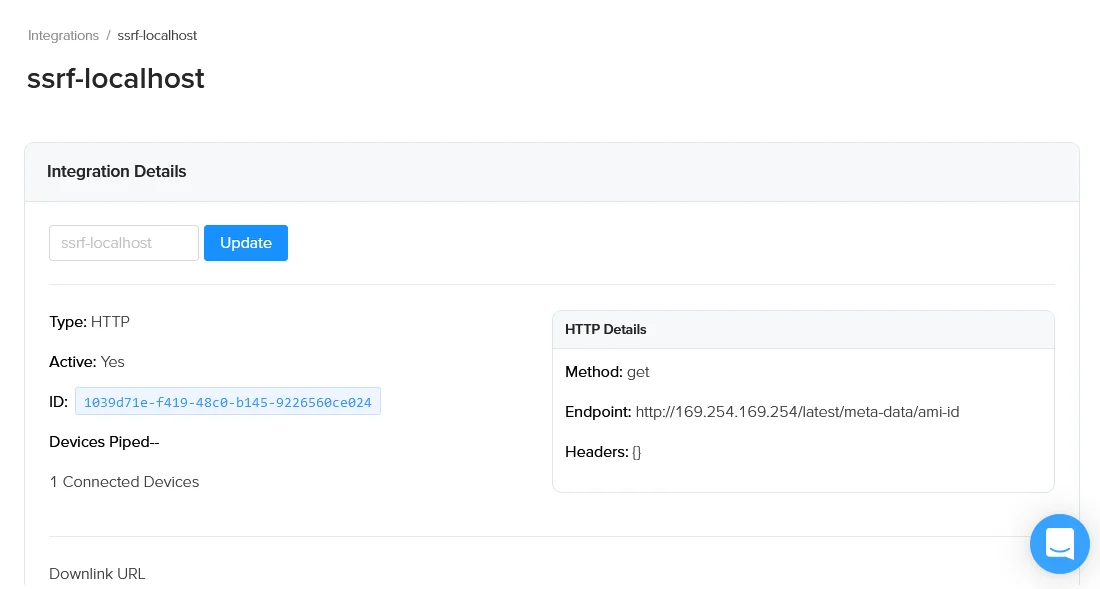
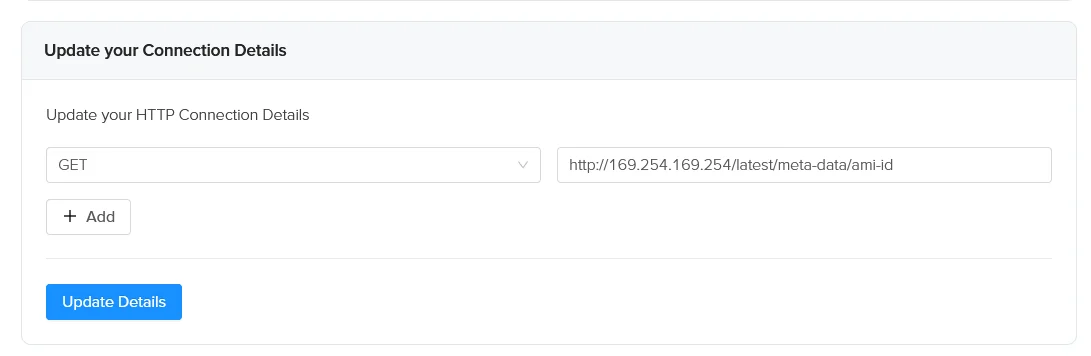
The server makes the HTTP request and sets the response body as the integration message every time that the device sends a packet. As the endpoint input is not validated, this makes the application vulnerable to a critical SSRF.
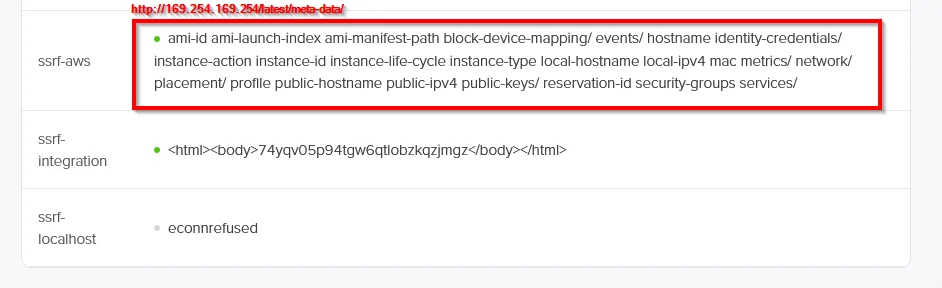
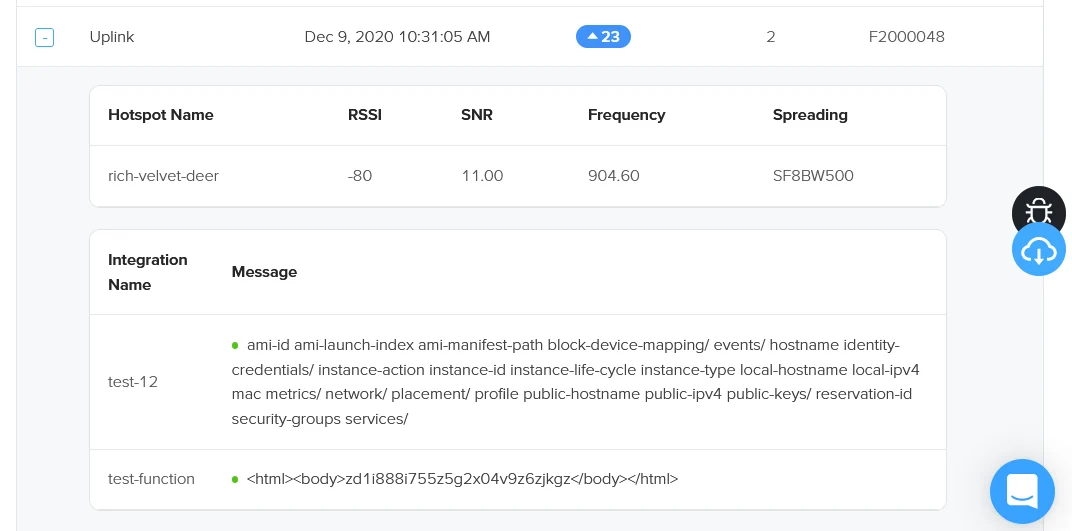
Endpoint set as: http://169.254.169.254/latest/meta-data/ami-id
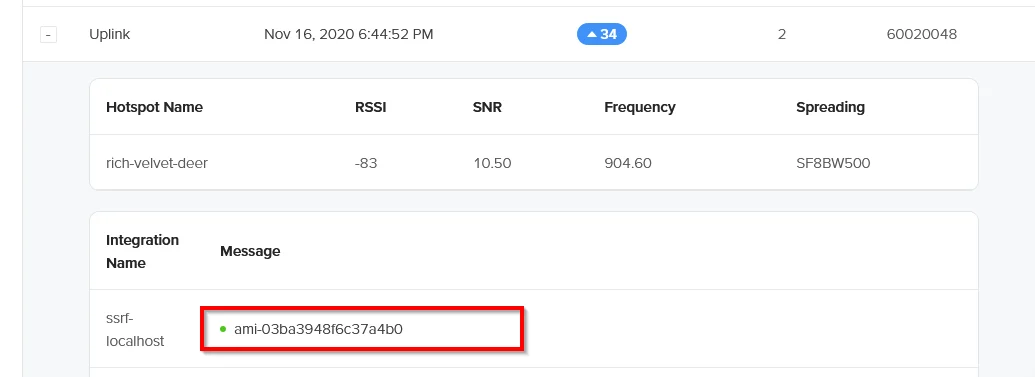
Impact
By exploiting this vulnerability an attacker can get access to the server internal network and access private and critical information.
Not written yet. The AI write-up for this report has not been written yet. The Original tab links to the source.
How it worked
Impact
An attacker could access the server's internal network and retrieve private, critical information from the cloud instance metadata.
What the attacker needed
Access to console.helium.com; ability to create a custom integration; a device that sends a packet
How it was found
- Create a custom HTTP integration on the console.
- Set the integration endpoint to the AWS EC2 metadata address.
- Trigger the integration by having a device send a packet.
- Observe the metadata response returned as the integration message.
Explained by bugbounty.wiki with AI from the original and checked against quotes from it; it can still be wrong. Read the original before relying on a detail.
Not written yet. The AI write-up for this report has not been written yet. The Original tab links to the source.
Server-side request forgery (SSRF) is when a website fetches a URL you supply, but the server can reach internal addresses your browser cannot. Here, the integration endpoint field let the attacker ask the server to fetch the cloud metadata address, which holds private information about the machine.
What is SSRF?
The server can be made to fetch an address the attacker chooses, reaching internal services, cloud metadata or other customers' data.



