SPF Misconfiguration
The domain's SPF record ended with a soft-fail qualifier, which tells receiving mail servers to accept mail that fails the check but mark it as suspicious. An attacker could therefore send email that appears to come from the domain and have it delivered rather than rejected.

- Triaged in under an hour
- Fixed in under an hour
- Disclosed after 18 days
I am just looking at your SPF records then found following. SPF Records missing safe check which can allow me to send mail on behalf of infogram.
#PoC: The TXT records found for your domain are:
"v=spf1 include:_spf.google.com include:spf.mandrillapp.com include:mailgun.org ~all"
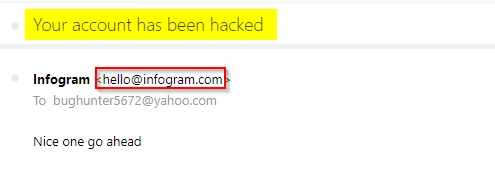
Simply anyone can use https://emkei.cz/ service to trigger mail to anyone on behalf of infogram.
#Fix:
v=spf1 include:_spf.google.com include:spf.mandrillapp.com include:mailgun.org -all
#If team don't wanna hear about spf related checks please let me know. i'll close this report myself.
Regards, Mr.R3boot.
Attachments
Not written yet. The AI write-up for this report has not been written yet. The Original tab links to the source.
How it worked
Root cause
The SPF record used a soft-fail (~all) qualifier instead of a hard-fail (-all) qualifier, so unauthorised senders were not outright rejected.
Impact
Mail sent by an unauthorised party could be delivered while merely being marked as suspicious, which aids phishing and brand impersonation; the report does not show a real delivery test.
What the attacker needed
A public email spoofing service
How it was found
- Look up the domain's TXT records and read the SPF policy.
- Note that the policy ends with a soft-fail qualifier.
- Use a public spoofing service to send mail claiming to be from the domain.
Explained by bugbounty.wiki with AI from the original and checked against quotes from it; it can still be wrong. Read the original before relying on a detail.
Not written yet. The AI write-up for this report has not been written yet. The Original tab links to the source.
SPF is a DNS record that lists which mail servers are allowed to send email for a domain. The last part of the record tells receiving servers what to do with mail from anywhere else: a soft-fail setting only marks it as suspicious, while a hard-fail setting rejects it. Because this record used the softer setting, someone could send mail pretending to be from the domain and it would still be delivered.
What is Misconfiguration?
Settings left unsafe: exposed panels, open storage buckets, debug modes, default credentials.






