Able to See and Delete Private Facebook Portal photos
The Facebook Portal app's album creation endpoint did not verify ownership of media IDs, allowing an attacker to add another user's private photo to their own album and then delete it, which also removed it from the victim's album. An attacker could view and permanently delete a targeted user's private photos without credentials.
 Published on pathleax.medium.com
Hello everyone! This is my second Bug Bounty from Facebook (Meta Platforms, Inc)
The full write-up lives on its author's site
It belongs to its author, so we link to it rather than copy it. The other two tabs are our own rewrites, checked against it.
Context
Facebook Portal is a multi functional app mainly designed for Portal video calling devices. It helps to make calls and to create and share albums and photos to connected Portal devices, although it works without a Portal device too. The researcher describes it as a photo sharing app after seeing its homepage.
The bug described here could have allowed a malicious user to view and delete a targeted photo on the Facebook Portal app without having access to the victim's login credentials or album ownership. The weakness is an IDOR in the GraphQL mutation that creates an album.
Setup
The researcher created two Portal users:
- UserA, the victim.
- UserB, the malicious user or attacker.
Traffic was intercepted with proxy tools in general (BurpSuite, Charles, Fiddler are named), but because the laptop's battery was dead, all interception was done on an Android smartphone through the HttpCanary proxy. The app used was the official "Facebook Portal" app from the Google Play store.
After some research the researcher found that the Portal video calling devices have an official app called "Facebook Portal" on the Google Play store.
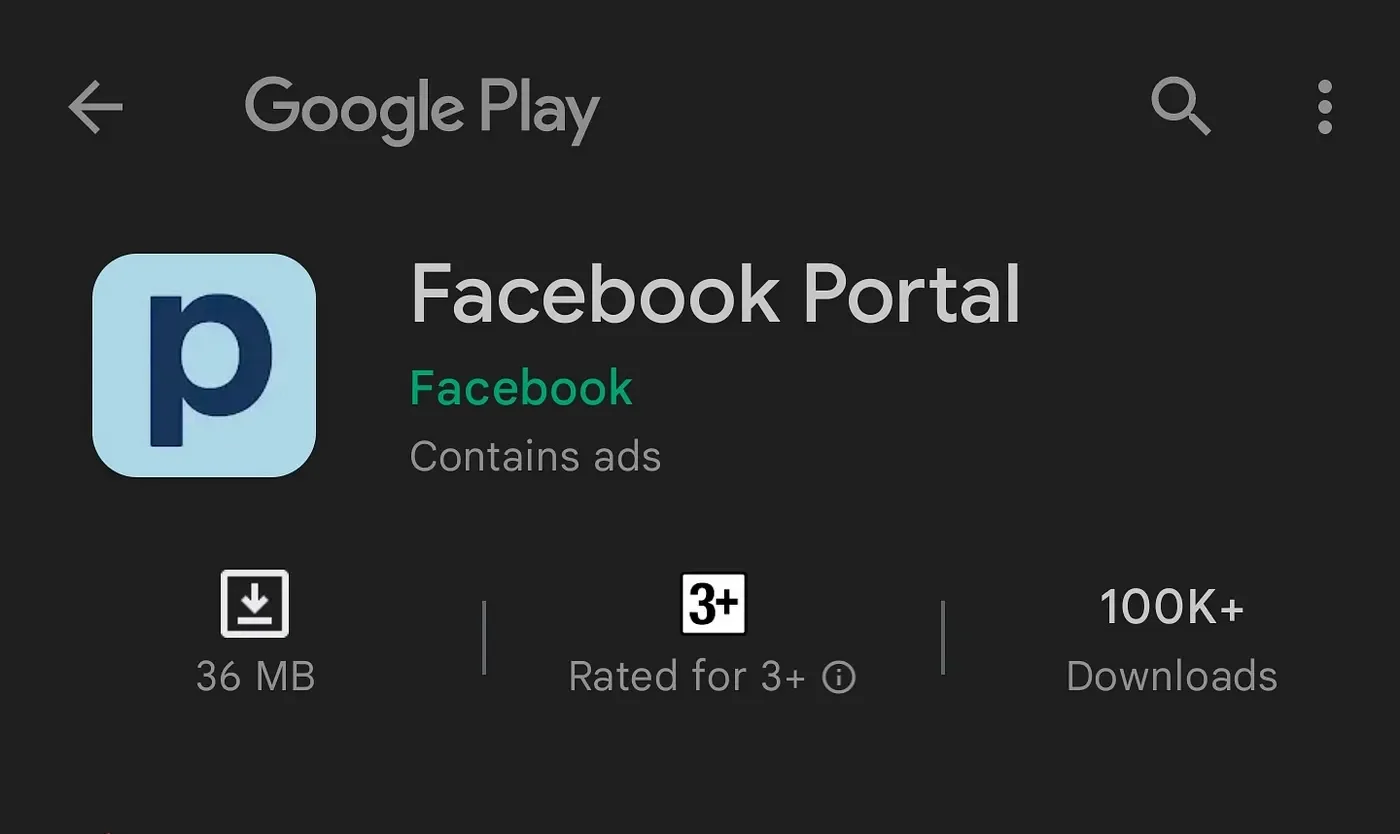
It was installed to check how it works and what is inside it.
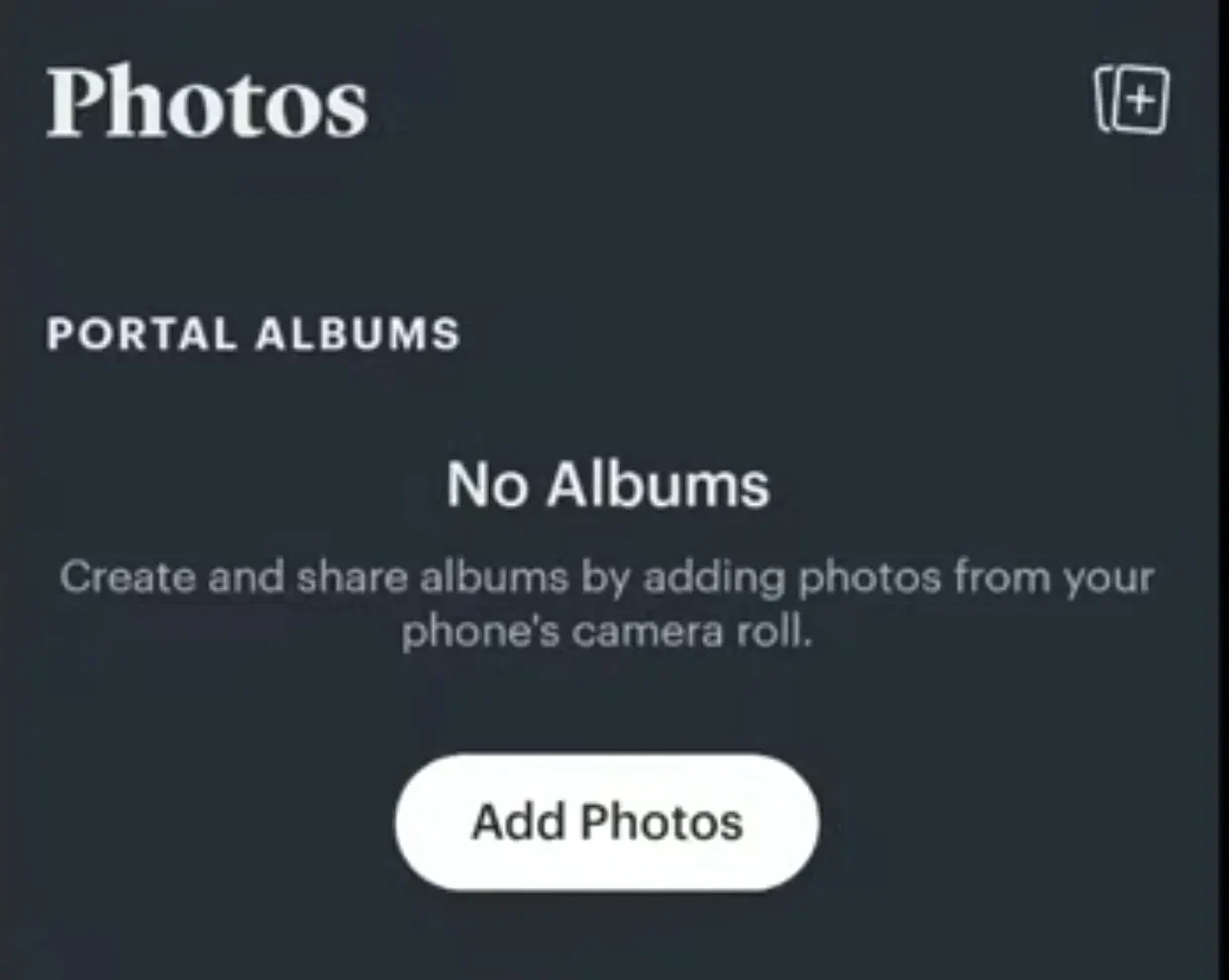
Seeing the homepage made it clear that it is a photo sharing app, so the backend of the upload functionality was examined by intercepting traffic.
Finding it
UserA steps
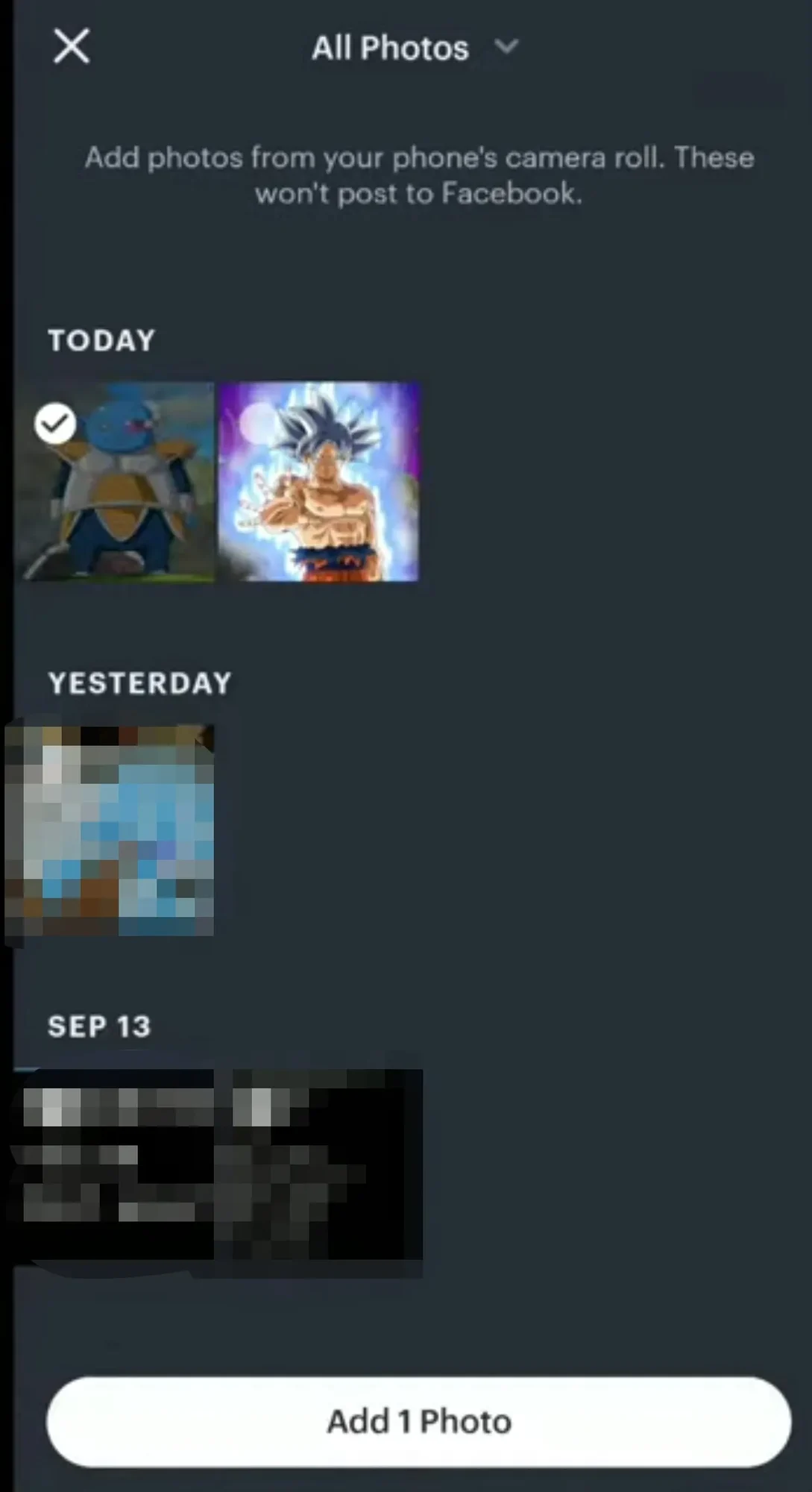
- Clicked on the upload button, selected an image and clicked on "Add 1 Photo".
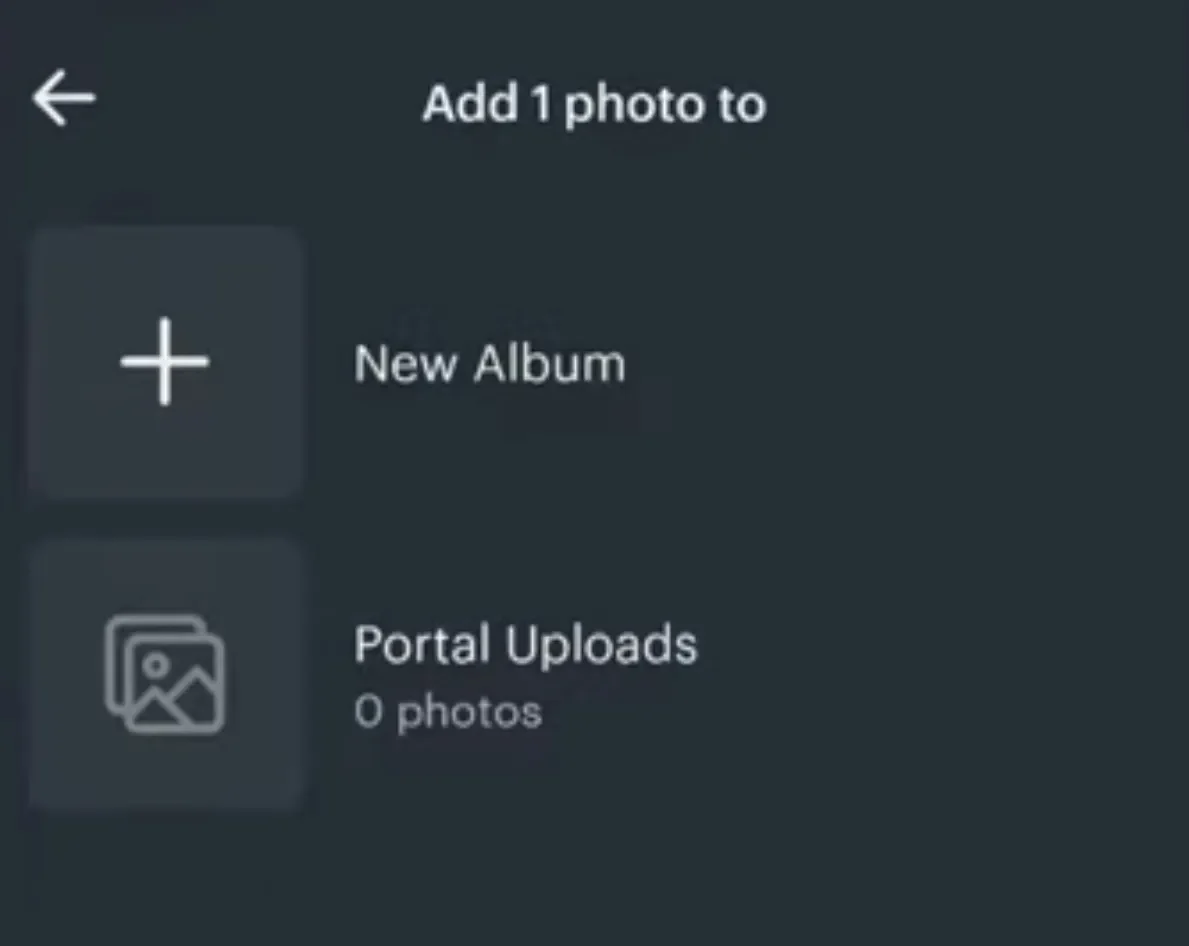
- Clicked on "New Album" to upload that selected image in the newly created album.
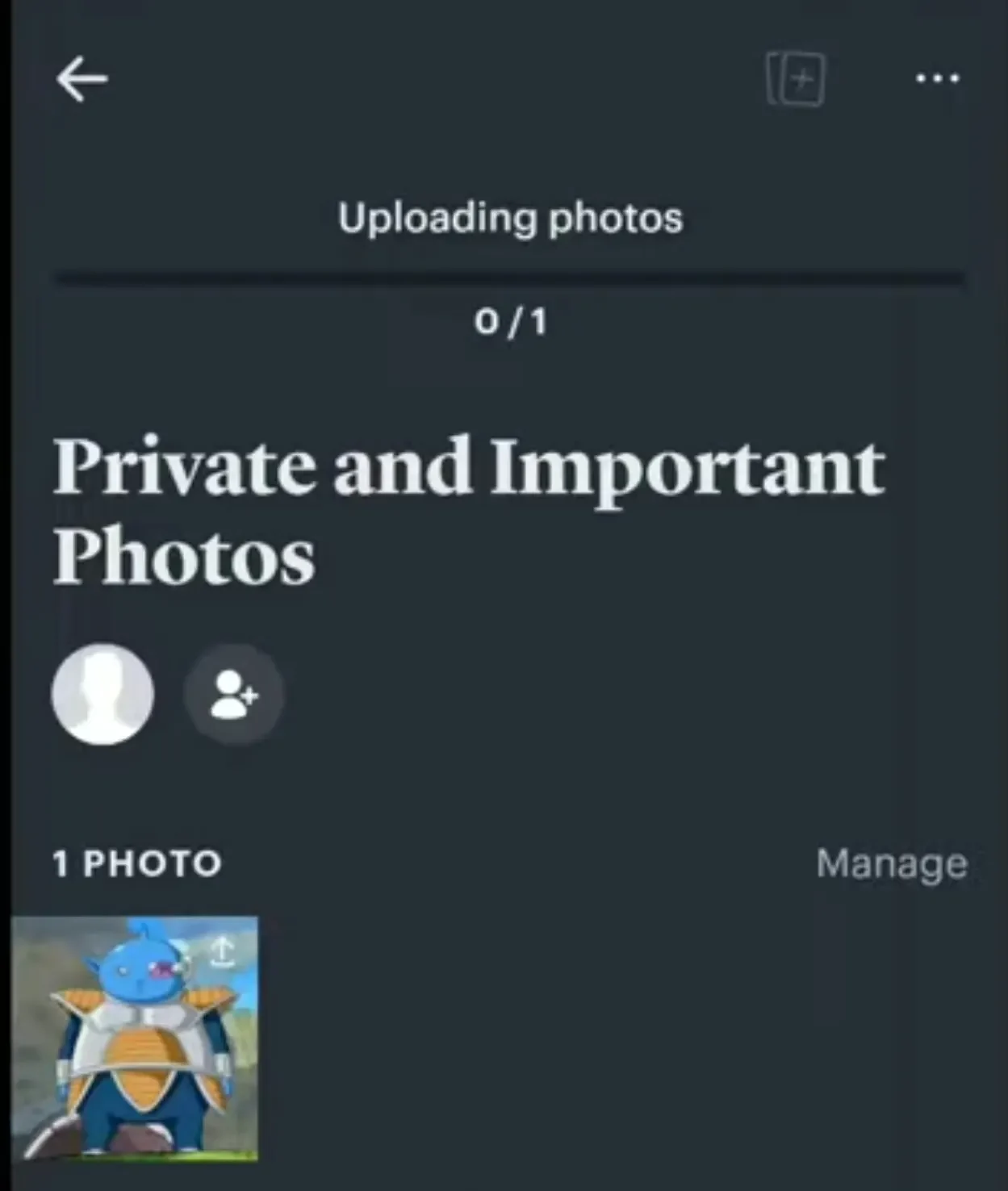
- Just after uploading the image, the details of the uploaded media appeared in the request response, such as Media ID, CDN Url, etc.
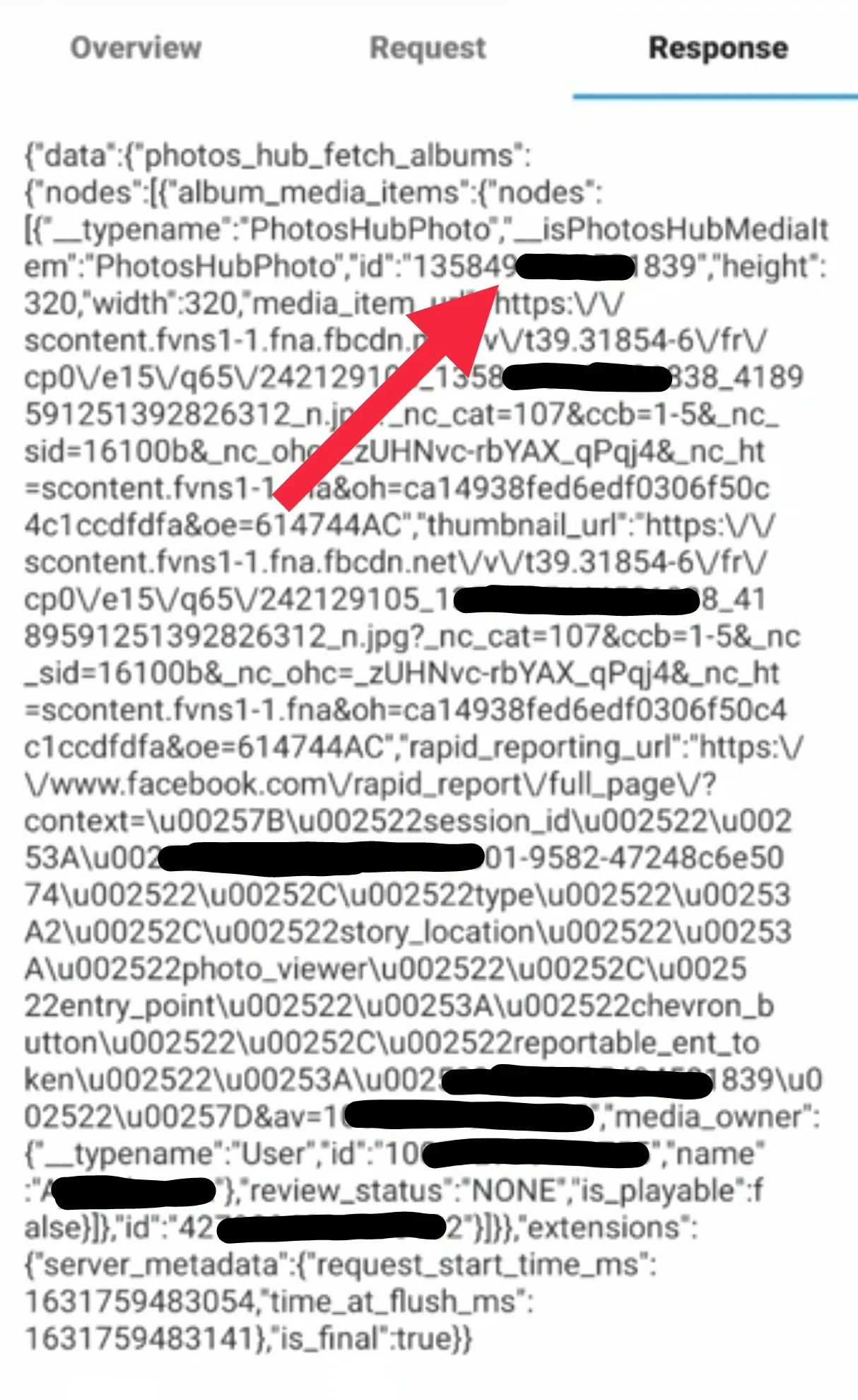
- The Media ID was copied from the response to test it further.
UserB steps
UserB did everything the same as UserA, but this time something new was noticed.
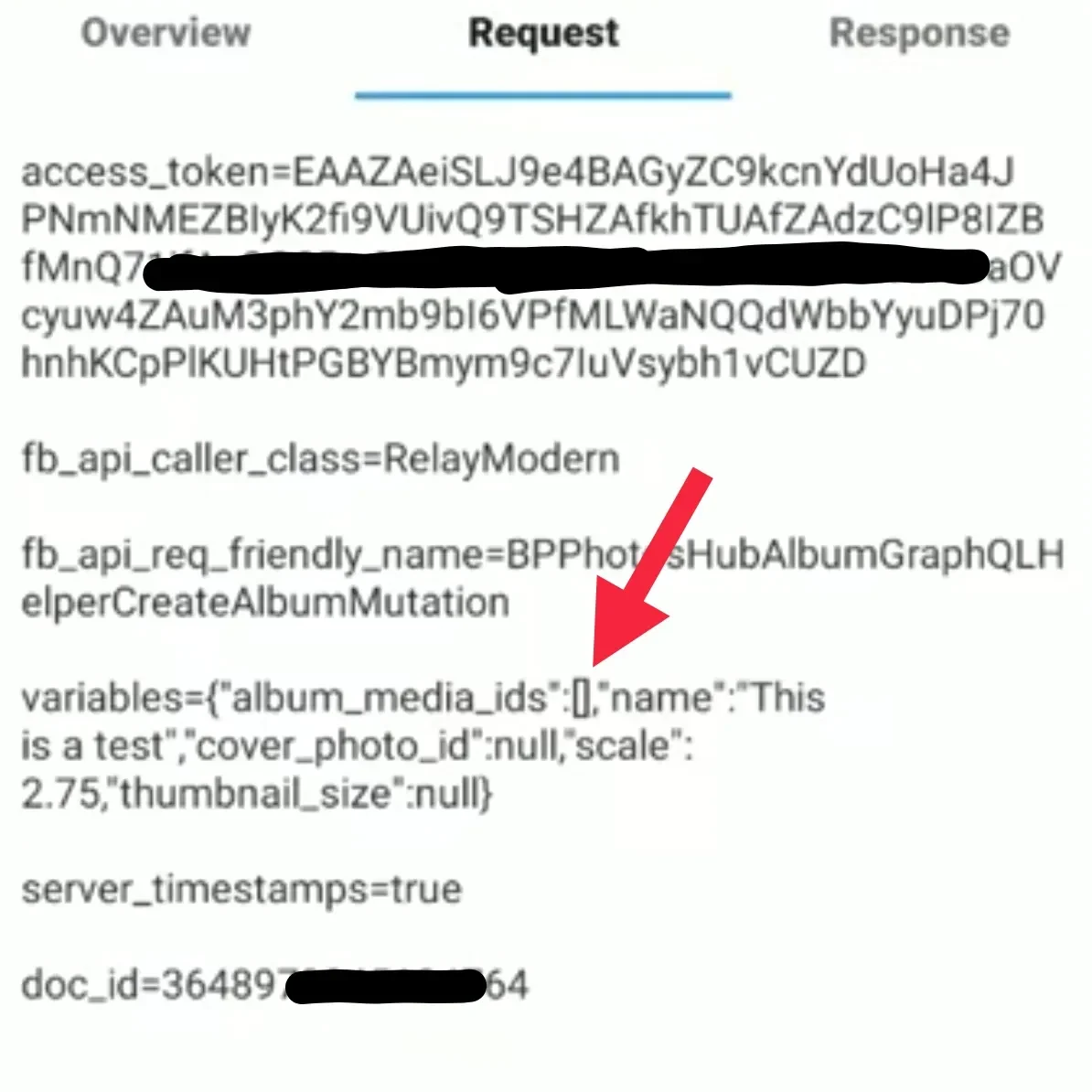
While checking all the requests in HttpCanary, the endpoint that creates the album was found. Most importantly, some of the parameters were empty, mainly album_media_ids. The question was what would happen if UserA's Media ID were appended to this empty array/list.
Exploitation
Step 1: capture the album creation request
The vulnerable endpoint details, with sensitive data redacted:
Endpoint:
https://graph.facebook.com/graphql
Request body:
access_token=[redacted]&fb_api_caller_class=RelayModern&fb_api_req_friendly_name=BPPhotosHubAlbumGraphQLHelperCreateAlbumMutation&variables={"album_media_ids":["[redacted]"],"name":"Portal Uploads","cover_photo_id":null,"scale":2.75,"thumbnail_size":null}&server_timestamps=true&doc_id=[redacted]
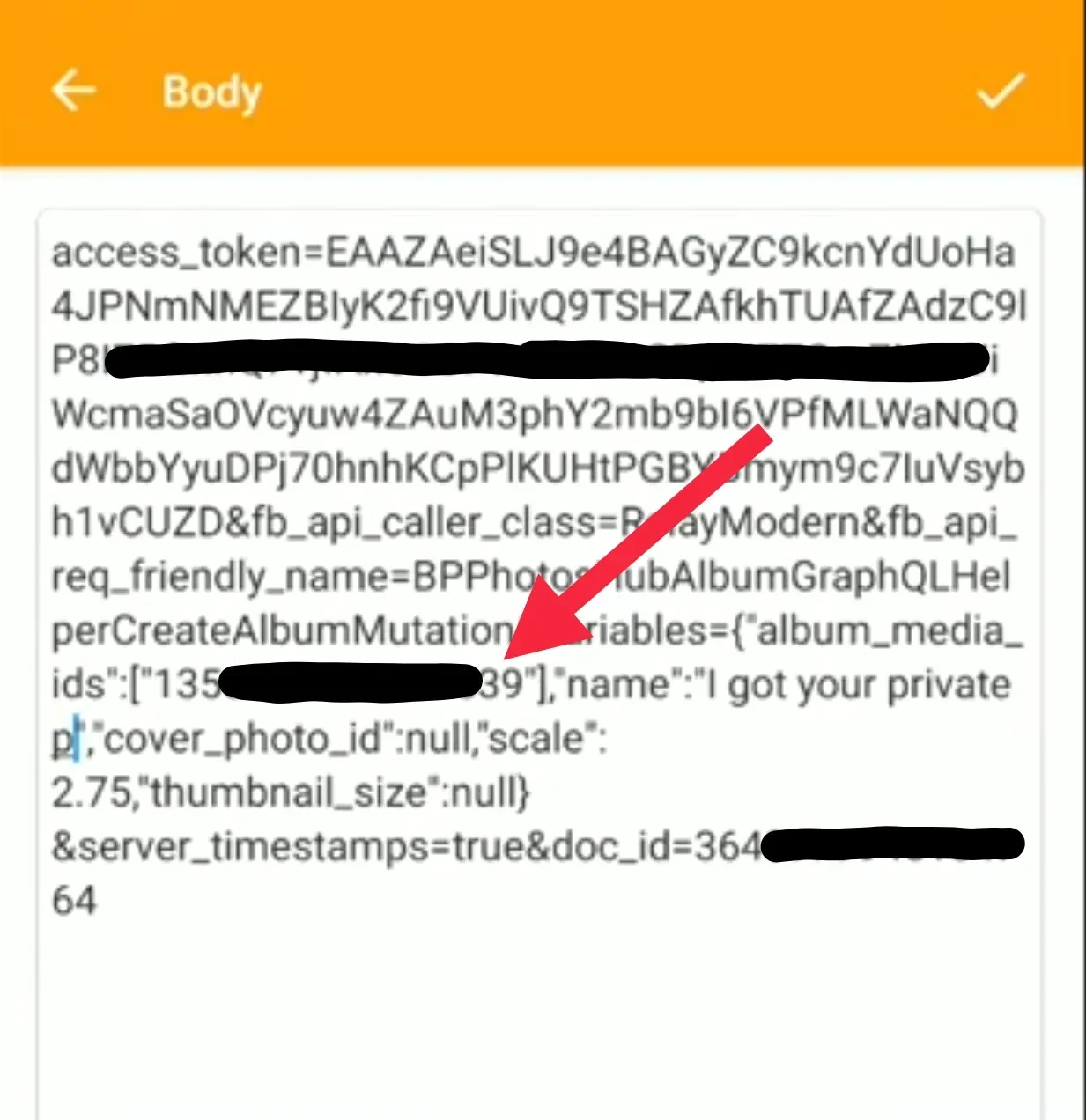
The request goes to the GraphQL endpoint. fb_api_req_friendly_name identifies the operation as BPPhotosHubAlbumGraphQLHelperCreateAlbumMutation, the album creation mutation. The variables parameter carries the album definition: album_media_ids is the list of media to place in the new album, name is the album name ("Portal Uploads"), and cover_photo_id, scale and thumbnail_size are the remaining album fields. The access_token and doc_id values are redacted in the write-up.
Step 2: put the victim's Media ID into the array
The empty array was immediately replaced with ["135XXXXXXXXXX39"], where 135XXXXXXXXXX39 was UserA's Media ID, and the request was sent.
Step 3: observe the response
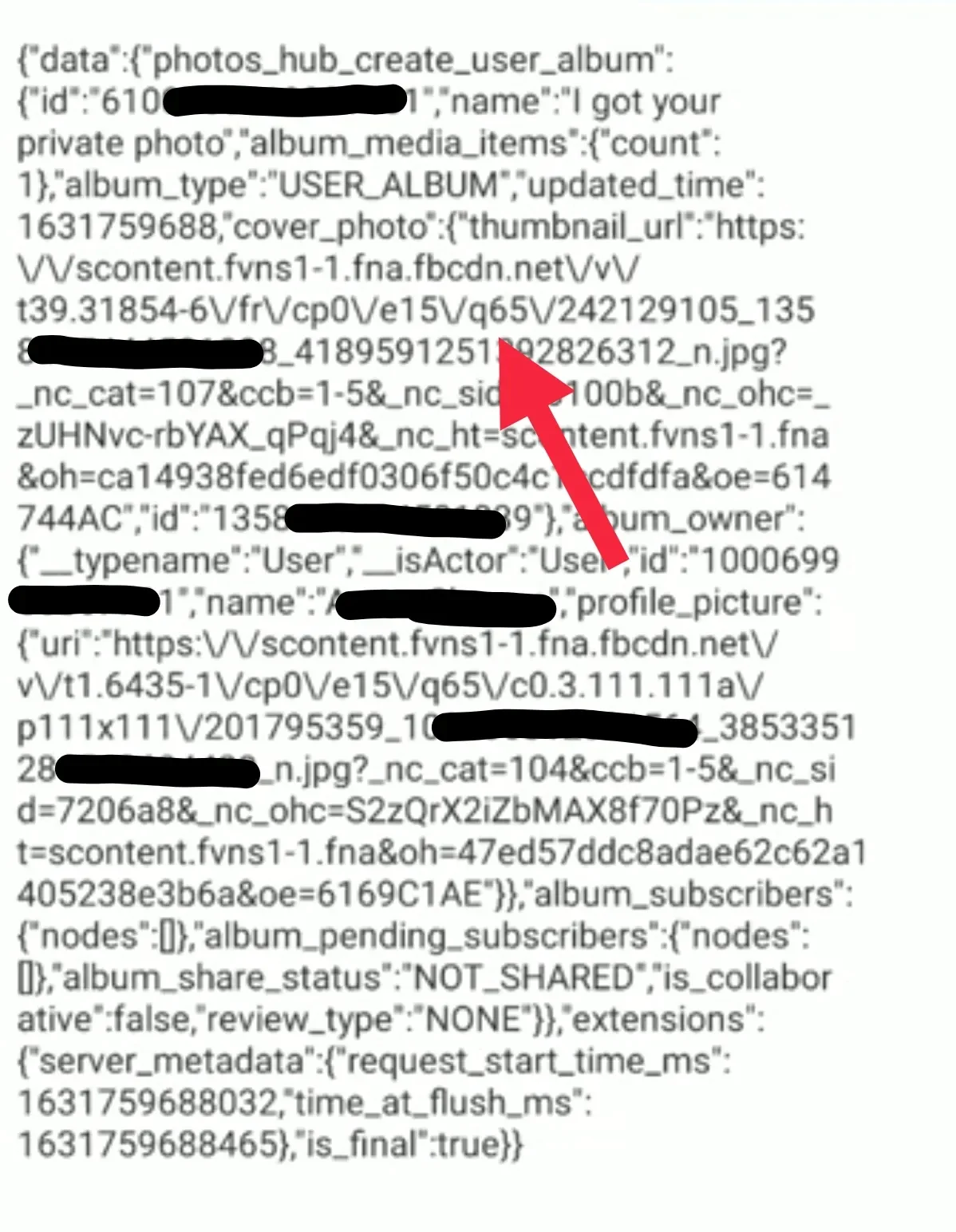
No error such as "You are not allowed to perform this action" or "You are not allowed to access/upload this media" came back. Instead the response was valid and contained the media CDN url. The reason, as the researcher puts it, is that the backend was not verifying the Owner ID of that particular media, and due to this misconfiguration it was vulnerable to an IDOR attack.
Step 4: confirm on the attacker's app
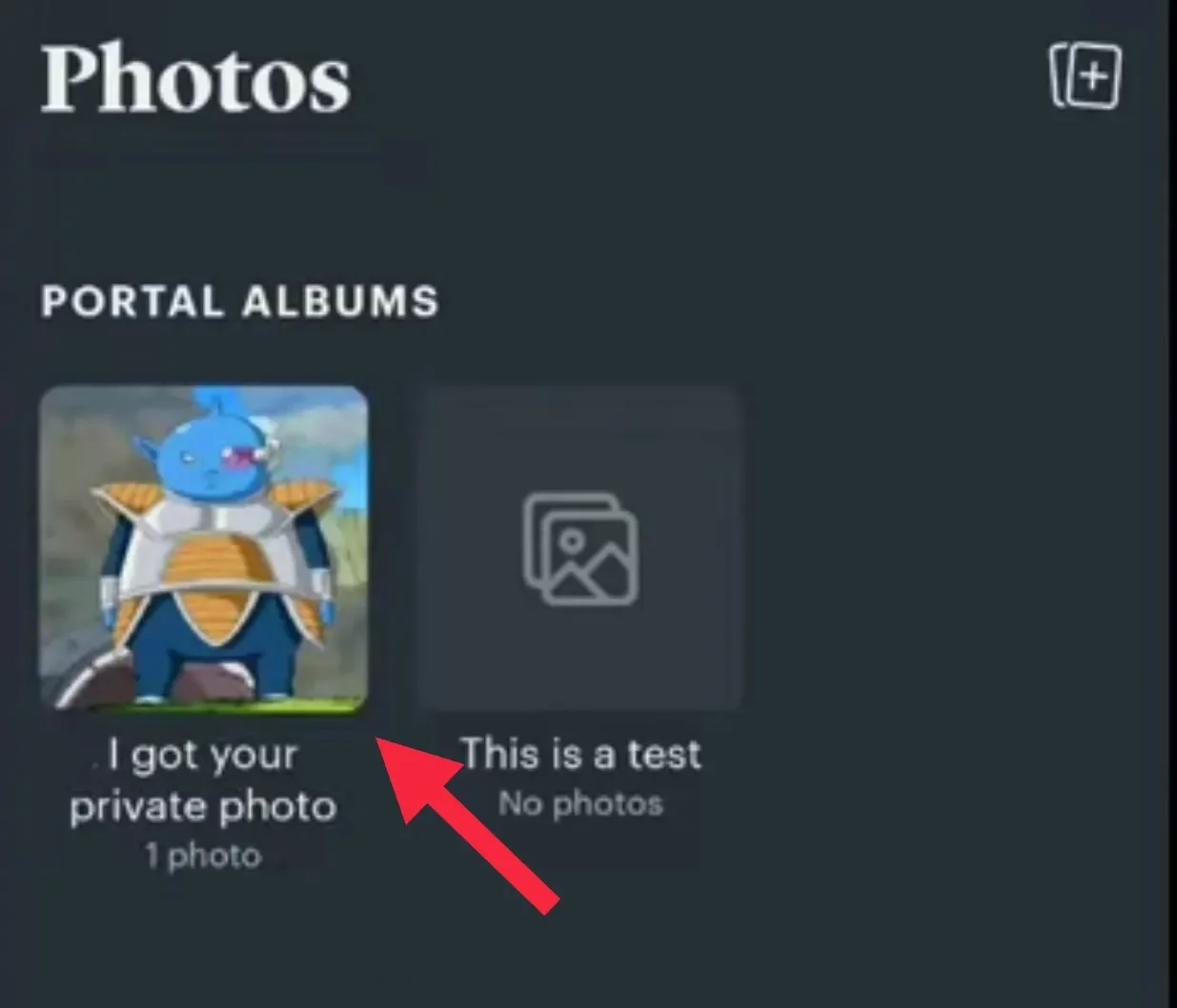
Opening UserB's Facebook Portal app showed that UserA's photo had been added to the newly created album.
Step 5: delete from the attacker's album
The next step was to delete the photo from UserB's newly created album to see what would happen in UserA's account.
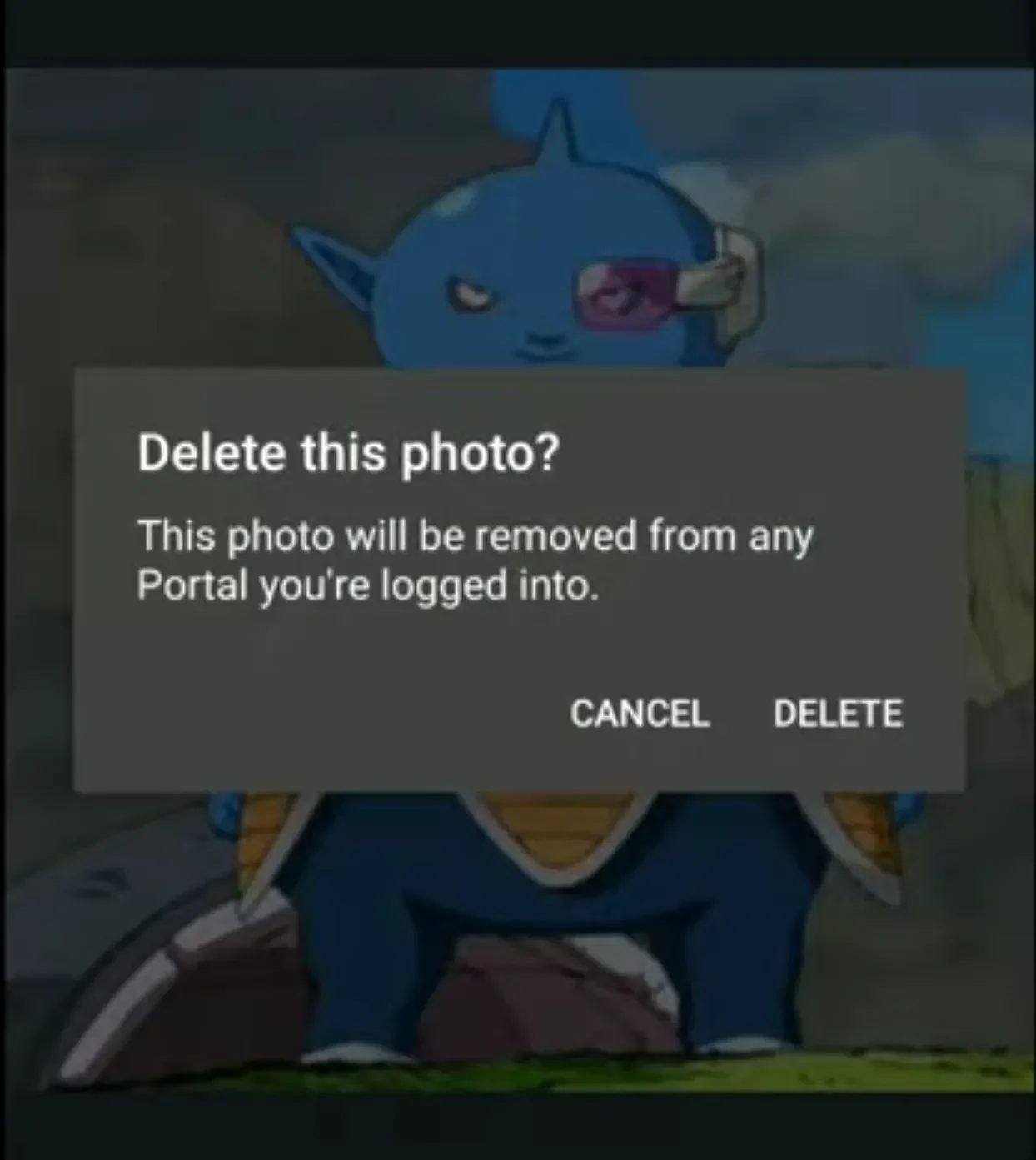
The photo was immediately deleted from UserB's album and UserA's account was checked.
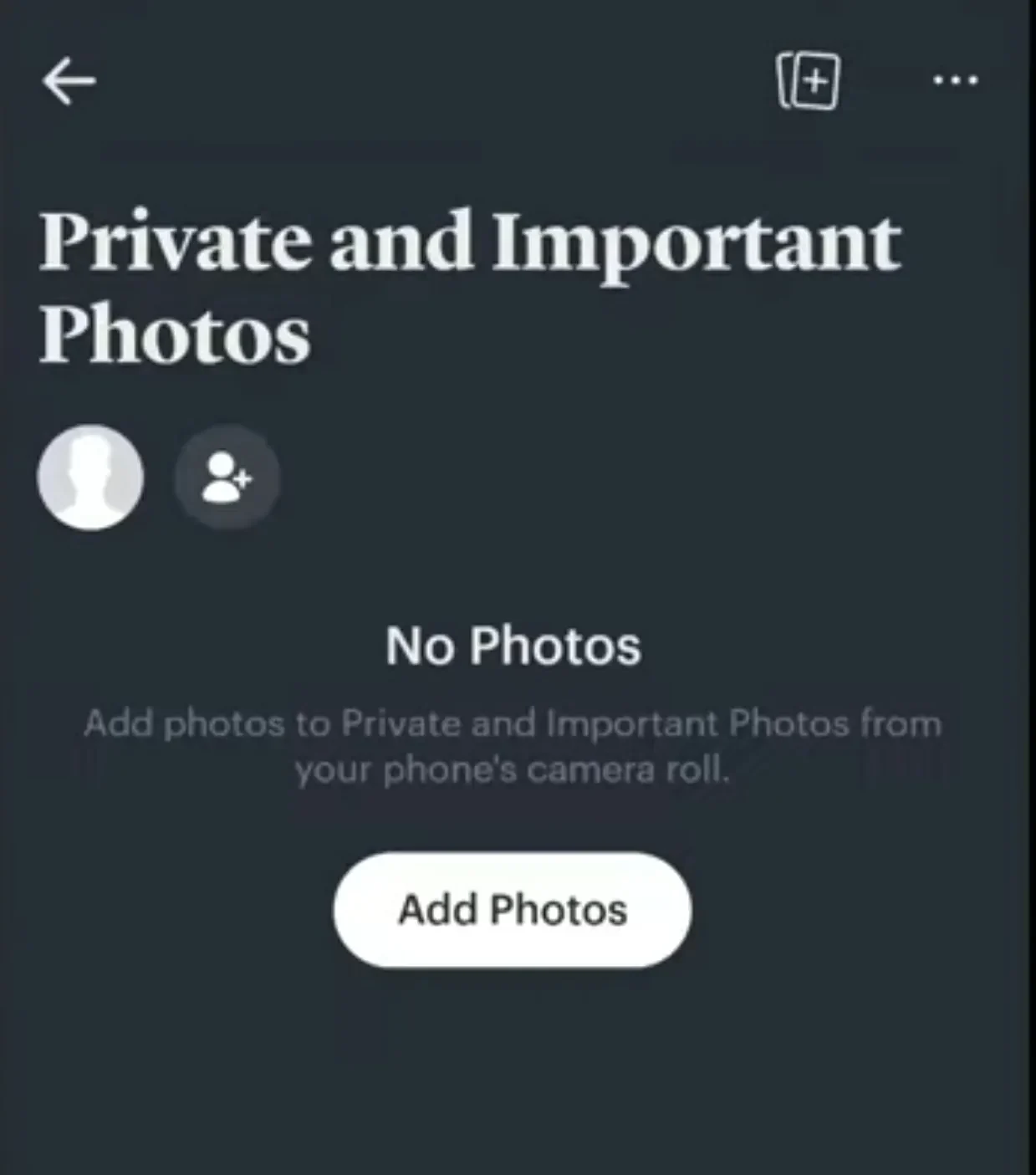
The photo was deleted from UserA's album too. At that point testing stopped and the vulnerability was reported to the Facebook WhiteHat program.
Root cause
The album creation mutation accepted a media ID supplied by the caller and attached that media to the new album without checking that the media belonged to the caller. The backend did not verify the Owner ID of the media referenced in album_media_ids, so any valid media ID could be pulled into an album owned by another account. Deleting the photo from the attacker's album also removed it from the victim's album.
The report does not describe any server-side control that should have caught this, so the likely explanation is simply that the ownership check was absent from this mutation rather than bypassed.
Impact
Private photos of users could be read and deleted improperly. A malicious user could have been able to permanently remove or delete a user's photos from their secret albums, add photos to a malicious album, and regenerate a valid CDN url of photos. All of this was possible without access to the victim's login credentials or album ownership. In the test setup the victim's Media ID came from the victim account's own upload response.
Bonus
The cover_photo_id JSON parameter was also vulnerable along with album_media_ids.
Fix
Facebook triaged the report on 21 September 2021 and fixed it on 28 September 2021, with confirmation of the fix the same day. The report does not describe the code change itself.
Timeline
| Date | Event |
|---|---|
| 16 Sept 2021 | Initial report |
| 19 Sept 2021 | Asked for an update |
| 21 Sept 2021 | Triaged |
| 28 Sept 2021 | Fixed |
| 28 Sept 2021 | Confirmation of fix |
| 13 Oct 2021 | Bounty awarded by Facebook |
Variants to test
- Other ID-bearing fields in the same mutation. The report already shows
cover_photo_idwas vulnerable alongsidealbum_media_ids. Try every field that takes an object ID and see whether a foreign ID is accepted. A positive result is a valid response containing a CDN url for media you do not own. - Other GraphQL mutations that take media or album IDs. Look for operations with a
fb_api_req_friendly_namein the same family and substitute a victim's ID. A positive result is a successful mutation response where an ownership error would be expected. - Deletion paths. After attaching foreign media, delete it from your own album and check the owner's account. A positive result is the media disappearing from the victim's album.
- Empty or null ownership fields. The original request had an empty
album_media_idsarray; try supplying IDs where the field is normally empty or null. A positive result is the server accepting the value without an ownership check. - Cross-account reads through CDN urls. When a foreign media ID is accepted, note whether the returned CDN url resolves. A positive result is being able to fetch private media you do not own.
What happened, in plain words
A security researcher found a way to look at and delete someone else's private photos in the Facebook Portal app. He did not need the other person's password, and he did not need to own their album. He only needed one piece of information: the photo's ID number.
Here is the short version. Facebook Portal is an app for sharing photos and making video calls, and it also works on a normal phone without any Portal device. When you upload a photo, the app talks to Facebook's servers and the server replies with details about the photo, including a long ID number. That ID is supposed to be just a label. But the researcher discovered that the part of Facebook's server that creates a new album would happily accept any photo ID you gave it, even a photo that belonged to a completely different account. It never checked who owned the photo. So he created an album on his own account, put the victim's photo ID into the request, and the victim's photo appeared in his album. When he then deleted the photo from his own album, it vanished from the victim's album too.
This kind of mistake has a name: IDOR, which stands for Insecure Direct Object Reference. The everyday comparison is a cloakroom. You hand in your coat and get a ticket with a number on it. If the attendant hands out any coat to anyone who says a number, without checking that the ticket matches the person, then anyone who guesses or learns your number can walk off with your coat. The number is the "direct object reference"; the missing check is the "insecure" part.
A few words you will meet throughout, explained from zero:
- API: the way one piece of software asks another piece of software to do something. Think of a restaurant. The menu and the waiter are the API. You do not walk into the kitchen; you tell the waiter what you want, and food comes back. Here, the app is the customer and Facebook's servers are the kitchen.
- Request and response: a request is the message the app sends ("please create an album with these photos"). A response is the message the server sends back ("done, here are the details").
- Token: a short secret string that proves who you are, a bit like a wristband at a festival. You show it with every request instead of typing your password each time. If someone else gets your token, they can act as you, which is why tokens are sensitive.
- GraphQL: a style of API where the app sends one request describing exactly what it wants, and the server answers that description. Facebook uses it heavily.
- Mutation: in GraphQL, a request that changes something (create, update, delete) rather than just reading. Creating an album is a mutation.
- Endpoint: the address a request is sent to, like a specific counter in a large building.
- Parameter: a named value inside a request, for example
namewith the valuePortal Uploads. - CDN: a content delivery network, a network of servers that serve files such as images quickly. A "CDN url" is a web address for a file on that network.
- Proxy: a tool that sits between your phone and the internet and lets you read every message going back and forth. It is like opening the envelope of every letter before it is delivered.
The setup
The researcher created two accounts in the Portal app:
- UserA, the victim, whose private photo would be targeted.
- UserB, the attacker, the account doing the snooping.
To see the messages between the app and the server, you normally use a proxy tool on a computer. The researcher names BurpSuite, Charles and Fiddler as the usual choices. But his laptop battery was dead, so he did all the interception on an Android phone using an app called HttpCanary, which is a proxy that runs on the phone itself. The app under test was the official "Facebook Portal" app from the Google Play store.
He had first noticed Portal through an advertisement for the Portal video calling devices while scrolling the Facebook homepage, and became curious about what the product did. Some research showed that the devices have an official companion app called "Facebook Portal" on the Google Play store.
He installed it straight away to see how it works and what is inside it.
Seeing the app's homepage made it clear that it is a photo sharing app. That is why he decided to examine the upload feature's backend, meaning the server side, by intercepting the traffic.
Finding it
What the victim does
- UserA taps the upload button, picks an image and taps "Add 1 Photo".
- UserA taps "New Album" so that the chosen image is uploaded into a freshly created album.
- Immediately after the upload, the response from the server contains details about the uploaded media, such as the Media ID and the CDN Url.
- UserA copies the Media ID out of that response, so it can be used in further testing.
Why this matters: the Media ID is the cloakroom ticket number. If the server treats that number as enough proof of ownership, then anyone who learns the number can reach the photo.
What the attacker does
UserB repeats exactly the same steps as UserA, but this time the researcher noticed something new.
While going through all the requests in HttpCanary, he found the request that creates the album. The interesting part was that some of its parameters were empty, most importantly album_media_ids, the list of photos that should go into the new album. That raised a question: what happens if UserA's Media ID is added to this empty list?
The reasoning is simple. When you create an album with no photos in it, the app sends an empty list. If the server does not check who owns each ID in that list, then filling the list with someone else's ID might pull their photo into your album.
Exploitation
Step 1: capture the album creation request
The vulnerable endpoint, with sensitive data redacted in the write-up:
Endpoint:
https://graph.facebook.com/graphql
Request body:
access_token=[redacted]&fb_api_caller_class=RelayModern&fb_api_req_friendly_name=BPPhotosHubAlbumGraphQLHelperCreateAlbumMutation&variables={"album_media_ids":["[redacted]"],"name":"Portal Uploads","cover_photo_id":null,"scale":2.75,"thumbnail_size":null}&server_timestamps=true&doc_id=[redacted]
Line by line, in plain words:
https://graph.facebook.com/graphqlis the address. It is Facebook's general GraphQL endpoint, the single counter where many different operations are handed in.access_token=[redacted]is the token that identifies the account making the request. It is the wristband. The actual value is hidden in the write-up because it is a secret.fb_api_caller_class=RelayModerntells the server which kind of client software is calling. Relay is a framework Facebook uses for its apps.fb_api_req_friendly_name=BPPhotosHubAlbumGraphQLHelperCreateAlbumMutationis a human-readable label for the operation. The name says it plainly: this is the album creation mutation in the photos hub.variables={...}is the block that carries the actual album definition, written in JSON, a common text format for structured data. Inside it:album_media_idsis the list of media IDs to put in the new album. In the captured request it holds one redacted ID.nameis the album's name, herePortal Uploads.cover_photo_idis which photo to use as the album cover, herenull, meaning none.scaleandthumbnail_sizeare display settings for the album's pictures.
server_timestamps=trueasks the server to include its own timestamps in the response.doc_id=[redacted]is an identifier for the stored query document on Facebook's side. It is redacted in the write-up.
Step 2: put the victim's Media ID into the array
The empty array was replaced with ["135XXXXXXXXXX39"], where 135XXXXXXXXXX39 was UserA's Media ID, and the request was sent.
In other words, the attacker took the ticket number he had learned from the victim's upload and put it into his own album creation request. Nothing else changed. This is the whole attack: one value swapped.
Step 3: observe the response
The server did not return an error such as "You are not allowed to perform this action" or "You are not allowed to access/upload this media". Instead it returned a valid response containing the media's CDN url. The researcher's explanation is that the backend was not verifying the Owner ID of that particular media, and because of this misconfiguration the feature was vulnerable to an IDOR attack.
Why this is the key moment: a correct server would compare the owner of the photo with the account making the request and refuse if they differ. Here it skipped that comparison. The cloakroom attendant handed over the coat without looking at the ticket holder.
Step 4: confirm on the attacker's app
Opening UserB's Facebook Portal app showed that UserA's photo had been added to the newly created album. This confirms the attack worked from the app's point of view, not just in the raw response.
Step 5: delete from the attacker's album
The next step was to delete the photo from UserB's newly created album, to see what would happen in UserA's account.
The photo was deleted from UserB's album, and then UserA's account was checked.
The photo was gone from UserA's album as well. At that point the researcher stopped testing and wrote up the vulnerability for the Facebook WhiteHat program, Facebook's bug bounty programme, which pays people for reporting security flaws responsibly.
Why it worked
The album creation request accepts a media ID from whoever is calling, and it attaches that media to the new album without checking that the media belongs to the caller. The backend did not verify the Owner ID of the media named in album_media_ids, so any valid media ID could be pulled into an album owned by another account. Deleting the photo from the attacker's album also removed it from the victim's album.
The report does not describe any server-side control that should have caught this, so the likely explanation is simply that the ownership check was absent from this mutation rather than bypassed.
Impact
Private photos of users could be read and deleted improperly. A malicious user could have permanently removed or deleted a user's photos from their secret albums, added photos to a malicious album, and regenerated a valid CDN url for photos. All of this was possible without access to the victim's login credentials or album ownership. In this test setup the victim's Media ID came from the victim account's own upload response.
Bonus
The cover_photo_id JSON parameter was also vulnerable, alongside album_media_ids. In other words, the same missing ownership check applied to the field that chooses the album cover, not only to the list of photos.
The fix
Facebook triaged the report on 21 September 2021 and fixed it on 28 September 2021, confirming the fix the same day. The report does not describe the code change itself.
Timeline
| Date | Event |
|---|---|
| 16 Sept 2021 | Initial report |
| 19 Sept 2021 | Asked for an update |
| 21 Sept 2021 | Triaged |
| 28 Sept 2021 | Fixed |
| 28 Sept 2021 | Confirmation of fix |
| 13 Oct 2021 | Bounty awarded by Facebook |
Variants to test
If you want to look for the same kind of mistake elsewhere, these are the directions the report points to. Each one is a way of asking the same question: does the server check who owns this ID?
- Other ID-bearing fields in the same mutation. The report already shows
cover_photo_idwas vulnerable alongsidealbum_media_ids. Try every field that takes an object ID and see whether a foreign ID is accepted. A positive result is a valid response containing a CDN url for media you do not own. - Other GraphQL mutations that take media or album IDs. Look for operations with a
fb_api_req_friendly_namein the same family and substitute a victim's ID. A positive result is a successful mutation response where an ownership error would be expected. - Deletion paths. After attaching foreign media, delete it from your own album and check the owner's account. A positive result is the media disappearing from the victim's album.
- Empty or null ownership fields. The original request had an empty
album_media_idsarray; try supplying IDs where the field is normally empty or null. A positive result is the server accepting the value without an ownership check. - Cross-account reads through CDN urls. When a foreign media ID is accepted, note whether the returned CDN url resolves. A positive result is being able to fetch private media you do not own.
Glossary
- API: the agreed way for one program to ask another program to do something, like a menu and waiter in a restaurant.
- Album: a collection of photos grouped together in the Portal app.
- Backend: the server-side part of a service, the part users do not see.
- Bug bounty programme: a scheme where a company pays researchers for reporting security flaws responsibly. Facebook's is called WhiteHat.
- CDN (content delivery network): a network of servers that delivers files such as images quickly; a CDN url is the web address of a file on it.
- Cover photo: the picture chosen to represent an album.
- Endpoint: the address a request is sent to.
- GraphQL: an API style where the client sends one request describing exactly what it wants.
- HttpCanary: a proxy app that runs on an Android phone and lets you read the traffic between apps and servers.
- IDOR (Insecure Direct Object Reference): a flaw where a program uses an ID supplied by the user to reach an object without checking that the user is allowed to access it.
- JSON: a common text format for structured data, made of names and values.
- Media ID: the unique number identifying one uploaded photo or video.
- Misconfiguration: a setting or missing check that leaves a system less protected than intended.
- Mutation: in GraphQL, a request that changes data, such as creating or deleting something.
- Owner ID: the identifier of the account that owns an object, used to decide who may access it.
- Parameter: a named value inside a request.
- Proxy: a tool that sits between your device and the internet and lets you inspect the messages passing through.
- Request: the message an app sends to a server.
- Response: the message a server sends back.
- Token (access token): a secret string that proves which account is making a request, like a wristband at a festival.
- Triaged: reviewed and accepted as a genuine issue by the company's security team.
- UserA / UserB: the two test accounts in the report, the victim and the attacker.



