Lost Password CSRF
The WordPress lost password form appeared to lack a CSRF token, so a cross-site request could submit a password reset request.

- Disclosed after 35 hours
Hi,
I think it is something about your Wordpress version.It's not something highy risky bu it is vulnerability.
CODE:
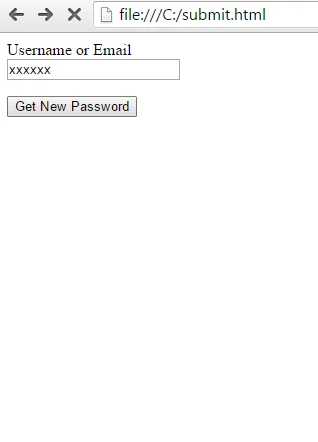
<form name="lostpasswordform" id="lostpasswordform" action="https://nextcloud.com/wp-login.php?action=lostpassword" method="post" style="position: static; left: 0px;"> <p> <label for="user_login">Username or Email<br> <input type="text" name="user_login" id="user_login" class="input" value="" size="20"></label> </p> <input type="hidden" name="redirect_to" value=""> <p class="submit"><input type="submit" name="wp-submit" id="wp-submit" class="button button-primary button-large" value="Get New Password"></p> </form>For testing CSRF I added the .html file to attachments.And there is a screenshot for you.
How To Fix :
Adding rp_key will be fine.
Please take a look at links below
https://wpvulndb.com/vulnerabilities/7691 https://core.trac.wordpress.org/changeset/30418
Best Regards,
Attachments
Not written yet. The AI write-up for this report has not been written yet. The Original tab links to the source.
How it worked
Root cause
Likely the password reset form did not include a CSRF nonce (security token), allowing cross-site requests to trigger password resets.
Impact
A cross-site request could submit a password reset request, though the reporter considered it not highly risky.
How it was found
- Create an HTML file containing a form that posts to the lost password endpoint.
- Add the HTML file as an attachment to the report.
- The HTML file was used to test the CSRF.
Explained by bugbounty.wiki with AI from the original and checked against quotes from it; it can still be wrong. Read the original before relying on a detail.
Not written yet. The AI write-up for this report has not been written yet. The Original tab links to the source.
CSRF tricks your browser into sending a request to a site you're logged in to. Here the password reset form lacked a secret token, so a cross-site request could submit a reset.
What is CSRF?
Another site makes a signed-in user's browser perform an action they did not intend.



