burp does not validate the common name of the presented collaborator server certificate
Burp Suite does not validate the common name (CN) of the certificate presented by its Collaborator server, accepting any certificate signed by a trusted CA even if it is for a different domain. An attacker who can intercept the connection could read the polling requests and potentially obtain the Collaborator records.

- Triaged in 9 days
- Fixed in 2 months
- Paid in 9 days
- Disclosed after 2 months
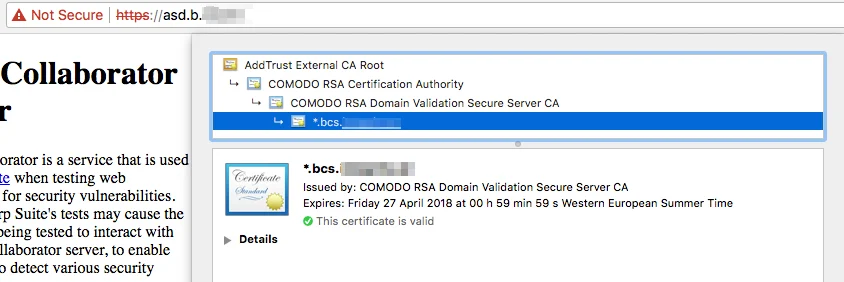
Burp is not validating correctly if the presented certificate in collaborator server. It warns if it is a self signed one, but if it is a legitimate one (any valid CA), it appears not to be checking the CN.
This is an issue for the polling service, since it allows for the connection to be intercepted and burp will happily send through the polling request.
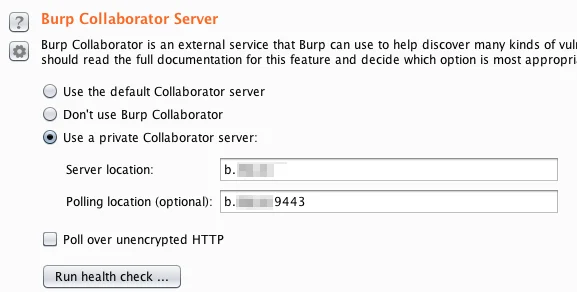
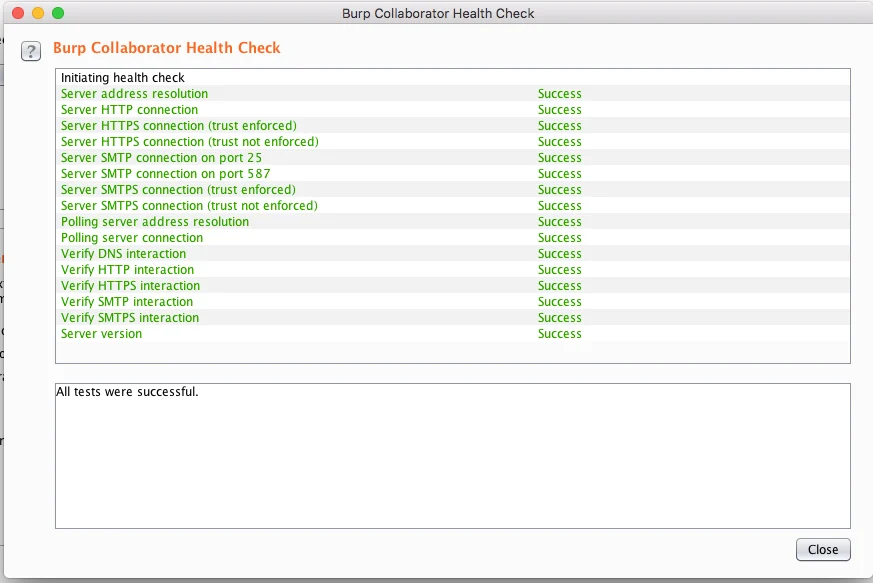
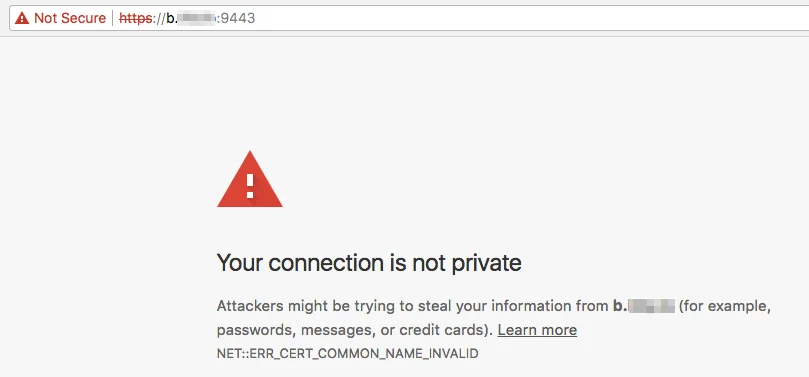
For PoC, just use a valid certificate for a completely different domain than the one used on the burp collaborator server, and connect to it. All checks will be ok, and when polling the server (using the scanner for instance), there's no warning or failure, and burp connects. I haven't extensively tested all possible options, but using a valid wildcard certificate from a totally different domain works.
(note: there's also the functional bug of burp stating the connections are ok, but the target being tested will then fail to connect to any TLS service on the collaborator)
Impact
If the attacker is able to perform a MITM on the tester (either adjacent to him, or to the collaborator server, or somewhere along the path), he will be able to intercept the HTTPS polling connection to the collaborator server, and potentially obtain the records.
Attachments
Not written yet. The AI write-up for this report has not been written yet. The Original tab links to the source.
How it worked
Root cause
Likely the TLS client in Burp does not verify that the certificate's common name or subject alternative name matches the Collaborator server hostname, only that the certificate chains to a trusted CA.
Impact
If an attacker can perform a man-in-the-middle attack on the tester or the Collaborator server, they could intercept the HTTPS polling connection and potentially obtain the records.
What the attacker needed
Attacker can intercept network traffic; valid certificate for a different domain
How it was found
- Obtain a valid certificate for a domain different from the Collaborator server's domain.
- Present that certificate when connecting to the Collaborator server.
- Connect Burp to the Collaborator server and observe that no warning or failure occurs.
- Use the scanner to poll the Collaborator server and confirm that Burp connects without warning.
Explained by bugbounty.wiki with AI from the original and checked against quotes from it; it can still be wrong. Read the original before relying on a detail.
Not written yet. The AI write-up for this report has not been written yet. The Original tab links to the source.
When your browser connects to a secure website, it checks that the certificate belongs to that website's name. Burp's Collaborator server is a service used to detect out-of-band interactions, and Burp connects to it over HTTPS. This report says Burp only checks that the certificate is signed by a trusted authority, but not that the name on the certificate matches the Collaborator server's name. So someone who can intercept the network traffic could present a valid certificate for a different domain and Burp would still connect, letting the attacker see the polling data.
What is Misconfiguration?
Settings left unsafe: exposed panels, open storage buckets, debug modes, default credentials.




