Clickjacking /framing on sensitive Subdomain
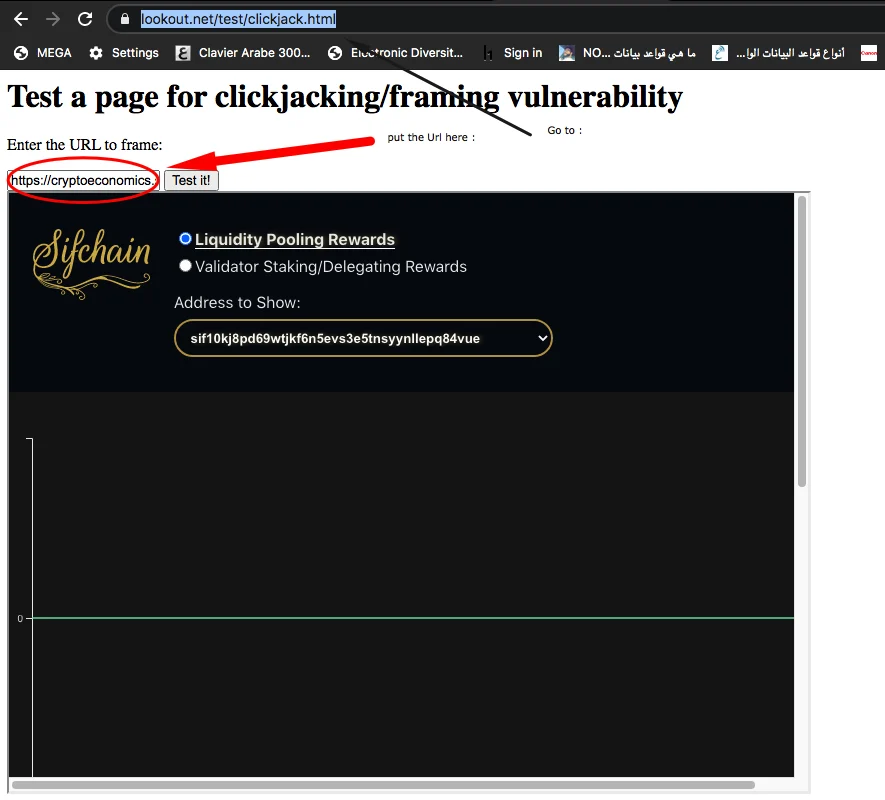
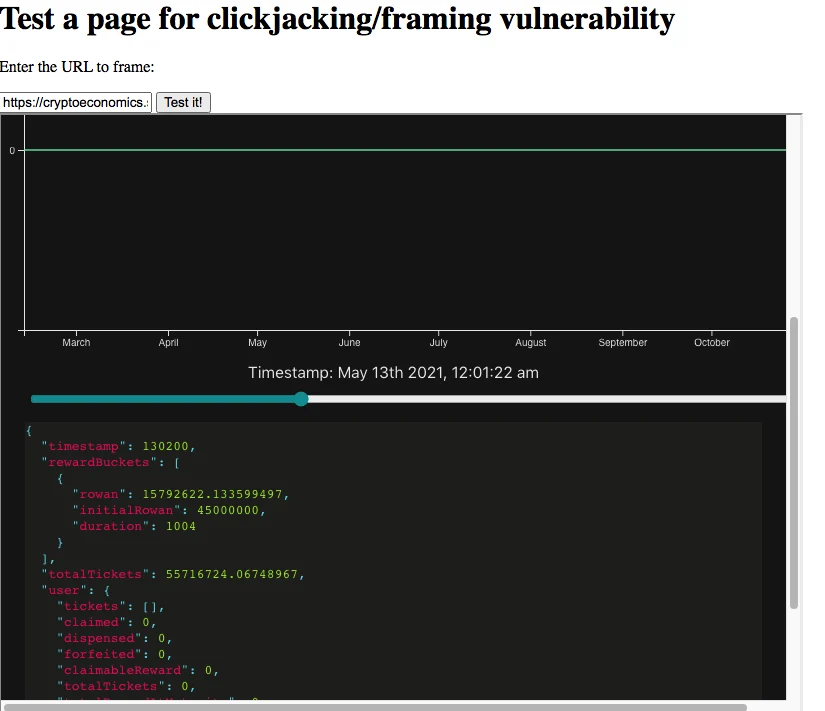
The sensitive subdomain cryptoeconomics.sifchain.finance did not prevent its pages from being embedded in an iframe, allowing an attacker to overlay a decoy site and trick users into clicking hidden content. This could lead users to enter passwords or other valuable data into attacker-controlled fields.

- Disclosed after 7 months
Vulnerability Name : Clickjacking /framing Vulnerability Description : Clickjacking is an interface-based attack in which user is tricked into clicking on actionable content on a hidden website by clicking on some other content in a decoy website .
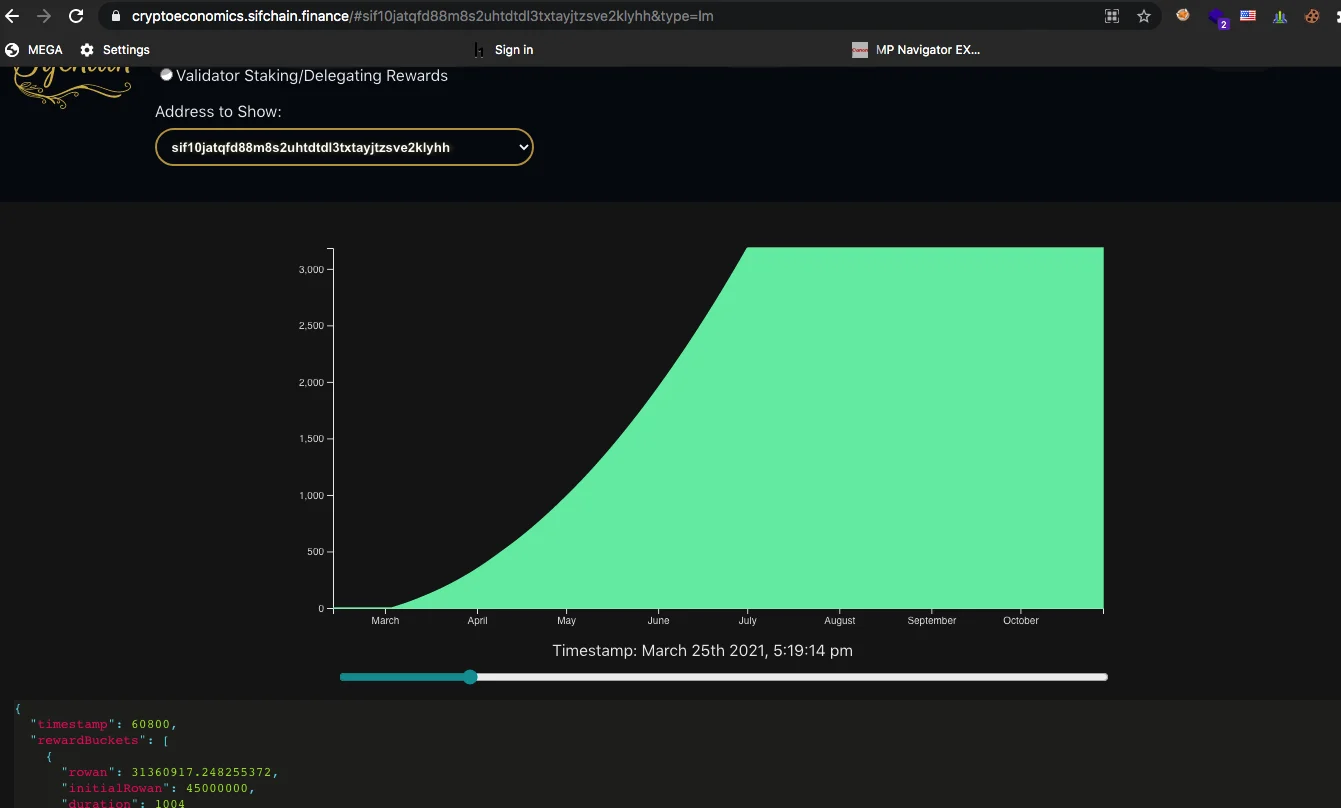
Vulnerable Url : https://cryptoeconomics.sifchain.finance/
. Steps to reproduce : 1 - copy the url : https://cryptoeconomics.sifchain.finance/#sif10jatqfd88m8s2uhtdtdl3txtayjtzsve2klyhh&type=lm 2 - Go to test the vulnerability by using : https://www.lookout.net/test/clickjack.html
$ POC : . Screenshots .
Impact
The user assumes that they're entering their information into a usual form but they're actually entering it in fields the hacker has overlaid on the UI. Hackers will target passwords, credit card numbers and any other valuable data they can exploit .
Attachments
Not written yet. The AI write-up for this report has not been written yet. The Original tab links to the source.
How it worked
Impact
An attacker could trick users into entering sensitive information such as passwords or credit card numbers into overlaid fields, potentially leading to data theft.
What the attacker needed
Victim visits attacker-controlled page
How it was found
- Copy the vulnerable URL.
- Use an online clickjacking test page to check if the URL can be framed.
Explained by bugbounty.wiki with AI from the original and checked against quotes from it; it can still be wrong. Read the original before relying on a detail.
Not written yet. The AI write-up for this report has not been written yet. The Original tab links to the source.
Clickjacking is when a malicious site loads a real site invisibly on top of its own page, so when you click what looks like a button on the decoy, you are actually clicking a button on the real site. Here, the real site could be framed by another site, meaning an attacker could make you perform actions or enter data without realising it.
What is UI spoofing?
The interface lies to the user: a framed page catches their clicks, or a browser shows the wrong address or a fake prompt. Paid when it leads to a sensitive action or convincing phishing.


