Requesting Show CheckIn Alert for Non Friend User
The mobile app's 'Show Check-In Alert' request accepted a user ID for someone who was not a friend, and the server replied with an OK message. An attacker could send check-in alerts to users they are not connected with.
 Originally disclosed on HackerOne
- Triaged in 12 hours
- Fixed in 18 days
- Paid in 18 days
- Disclosed after 18 days
During analysis it was observed that I was able to request "ShowCheck In Alert" Request for non friend user.
I performed this application from Mobile application. Below are the steps we have to carry to achieve this:
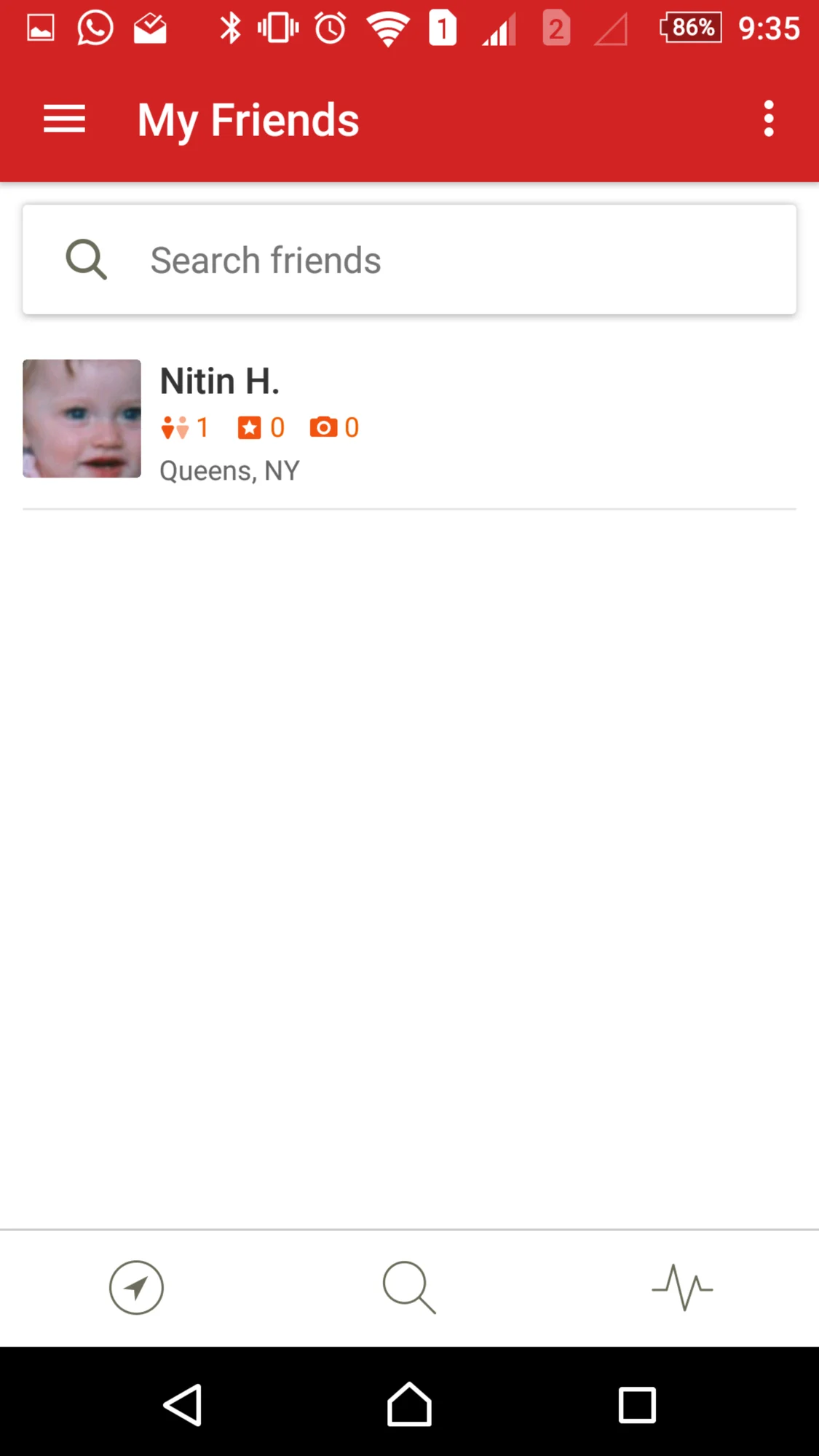
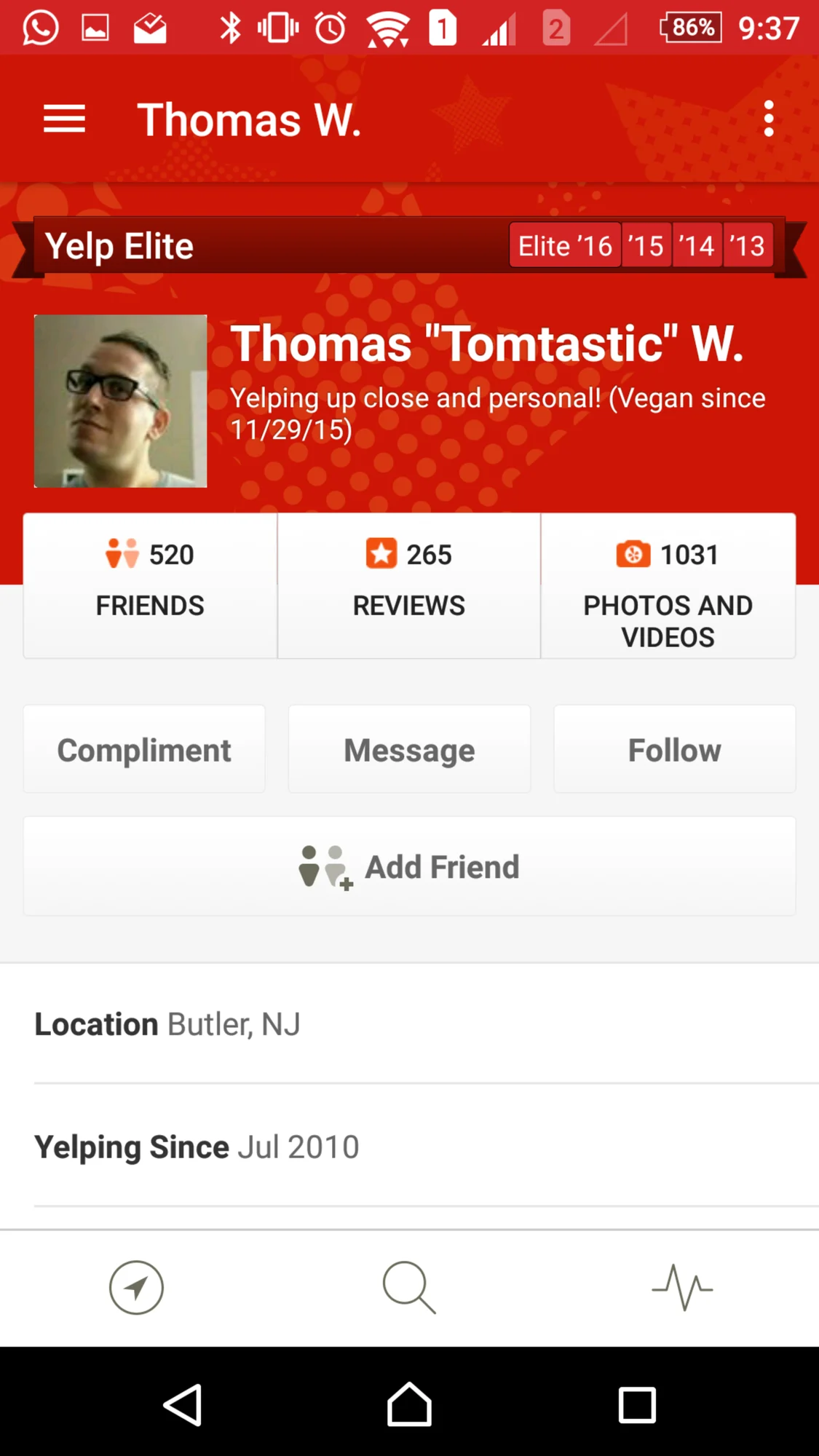
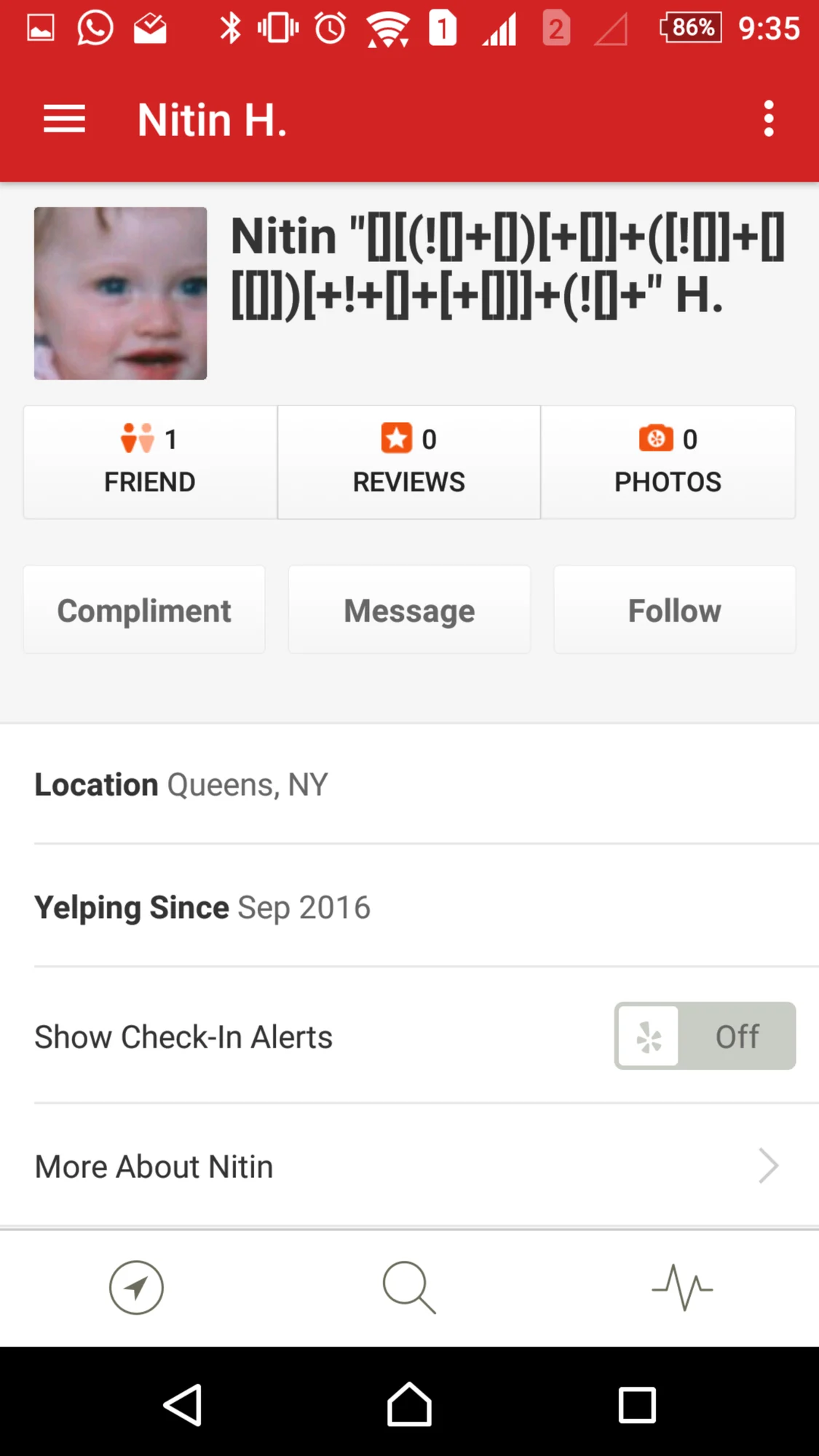
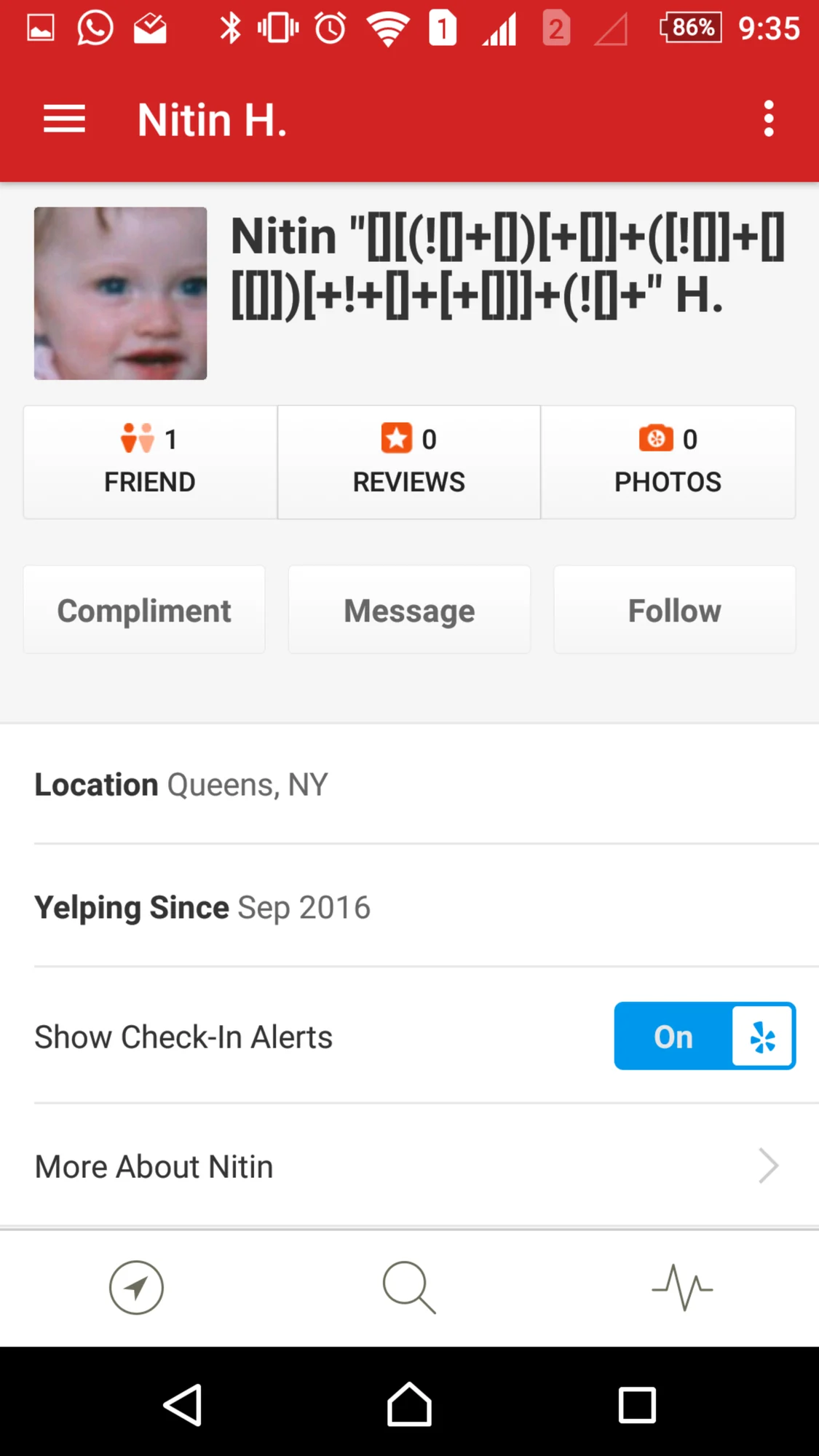
Logged in to Yelp Mobile Application Visit any added friend and click on "ShowCheck In Alert" It will originate the request from the mobile application. Capture this request and Change the UserID value with any other user non-added friend value. Server sends response with OK message.
Please find attached POC for the same.
Attachments
Not written yet. The AI write-up for this report has not been written yet. The Original tab links to the source.
How it worked
Root cause
Likely the server trusted the user ID in the request without verifying that the sender and recipient were friends.
Impact
A user could request a check-in alert for someone who is not their friend, and the server accepts it.
What the attacker needed
A Yelp account; the mobile app; a proxy to capture requests
How it was found
- Log in to the Yelp mobile application.
- Open an added friend and tap 'ShowCheck In Alert'.
- Capture the outgoing request.
- Replace the user ID with that of a non-friend user.
- Observe the server responding with an OK message.
Explained by bugbounty.wiki with AI from the original and checked against quotes from it; it can still be wrong. Read the original before relying on a detail.
Not written yet. The AI write-up for this report has not been written yet. The Original tab links to the source.
The app lets you request a check-in alert for a user who is not your friend, and the server replies OK.
What is Access control?
A user can do something their role should not allow: reach an admin function, act on a feature they have not paid for, or skip a permission check. IDOR is the special case where the object belongs to someone else.

