SSRF mitigation bypass using DNS Rebind attack
The upload feature allowed fetching files from remote servers, and although protections blocked access to the AWS metadata service, the reporter bypassed them using DNS rebinding to retrieve AWS IAM keys when the application runs in the cloud.

- Triaged in 29 hours
- Fixed in 28 days
- Disclosed after 13 months
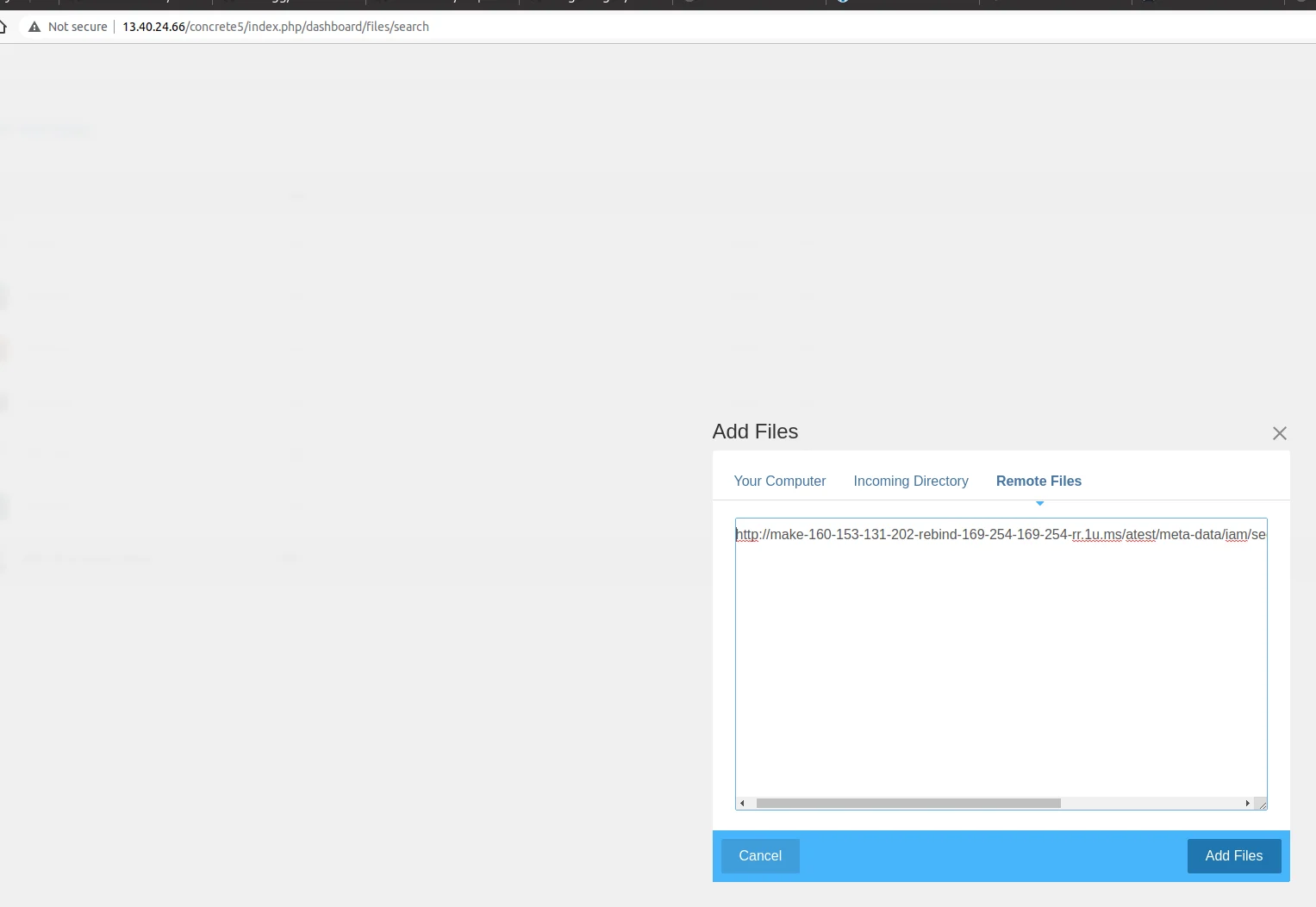
We noticed that the upload functionality contains the ability to upload files from remote server, however there are some mitigations against accessing the AWS Instance Metadata service.
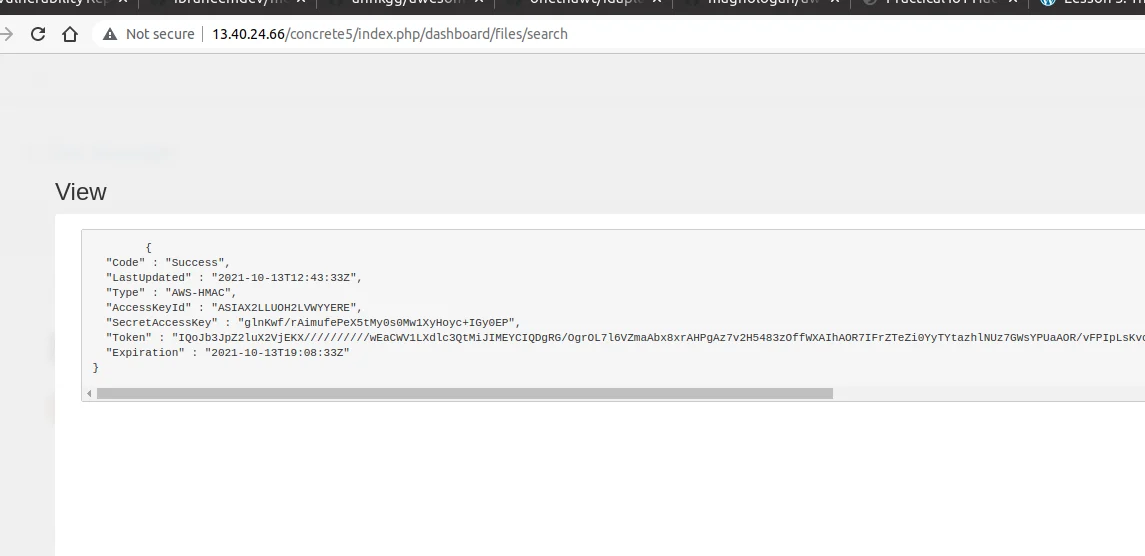
We've managed to bypass these mitigations using DNS rebinding and we've managed to fetch the AWS IAM keys when Concrete CMS is running in the cloud.
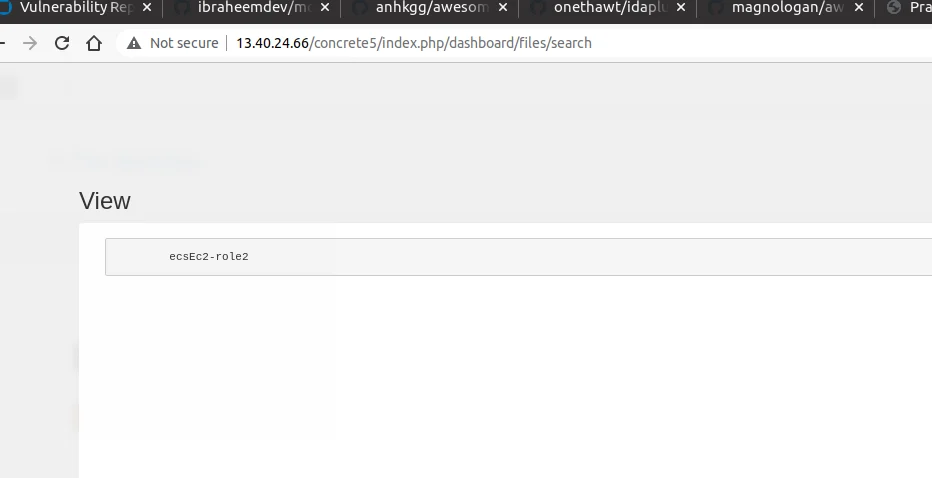
We've used http://1u.ms/ service for DNS rebinding, please see screenshots with evidence.
Impact
An attacker can bypass the SSRF protections and he can fetch the AWS IAM keys under which the application is running. From here on he can do enumeration and mount other attacks.
Attachments
Not written yet. The AI write-up for this report has not been written yet. The Original tab links to the source.
How it worked
Root cause
Likely the SSRF protection validated the hostname or resolved IP only once, so a DNS rebinding service could later resolve the same hostname to the cloud metadata address.
Impact
An attacker could bypass the SSRF protections and fetch the AWS IAM keys the application runs under, then use them for enumeration and further attacks.
What the attacker needed
Upload feature fetches remote files; app runs in AWS cloud; DNS rebinding service available
Explained by bugbounty.wiki with AI from the original and checked against quotes from it; it can still be wrong. Read the original before relying on a detail.
Not written yet. The AI write-up for this report has not been written yet. The Original tab links to the source.
The application could be told to download a file from a web address. The developers tried to stop it from reaching a special cloud address that holds secret access keys. By using a trick called DNS rebinding, which makes the same web address point to different servers over time, the reporter got around that block and read the keys.
What is SSRF?
The server can be made to fetch an address the attacker chooses, reaching internal services, cloud metadata or other customers' data.




