Amazon S3 bucket misconfiguration (share)
An Amazon S3 bucket had permissions that allowed anyone to list, upload, and delete files. An attacker could use the bucket to host illegal content, impersonate the company, or delete and overwrite existing files.

- Fixed in under an hour
- Disclosed after under an hour
Hi,
Description
I have discovered one of your Amazon S3 bucket and tested it via the AWS command line tool on Linux. It looks like permissions are not well configured and allow dangerous actions to everyone.
The vulnerable bucket is:
zomato-share
PoC:
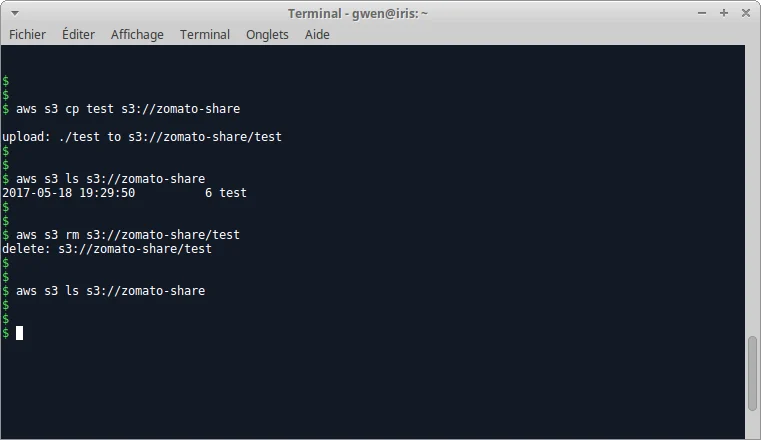
aws s3 ls s3://zomato-share
aws s3 cp test s3://zomato-share
aws s3 rm s3://zomato-share/test
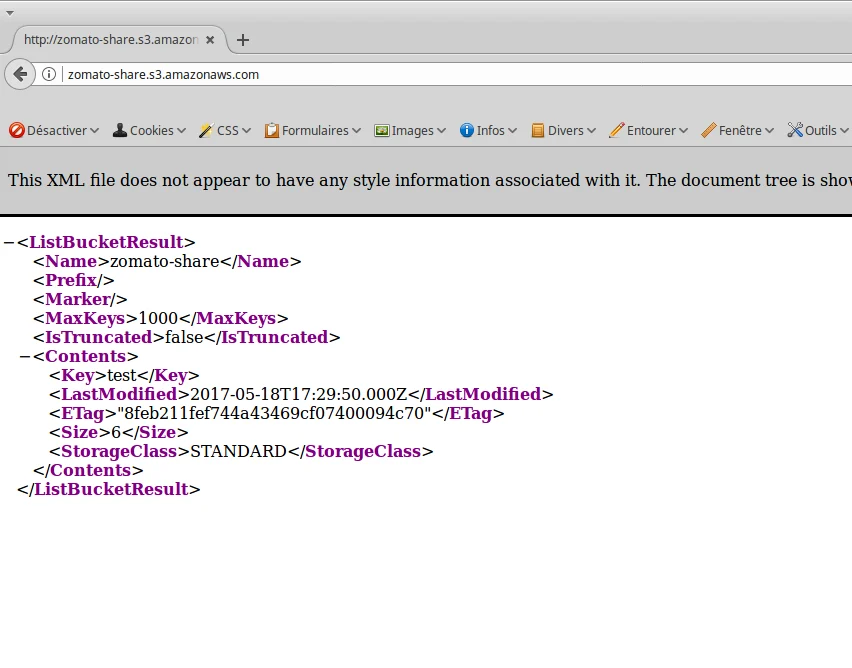
See the attached screenshots.
Risk:
- Company impersonation, serve datas using your name
- Illegal file hosting (like movies, mp3 or whatever...)
- Files can be deleted
- Files can be overwritten by shitty content (like porn)
- Files can be infected by malicious content in an attempt to infect users or staff
Since the bucket doesn't host any critical files, the impact is very low but still something you have to fix for the reasons previously mentionned.
Remediation:
Check all buckets owned by your company and the ACL to forbid dangerous actions to unauthorized users.
Additional note:
Since there is no way to check the owner of a bucket, it's possible that those buckets don't belong to you. In that case, I strongly apologize for the disturbance.
Best regards,
Attachments
Not written yet. The AI write-up for this report has not been written yet. The Original tab links to the source.
How it worked
Root cause
Likely the S3 bucket's access control list (ACL) or bucket policy granted public write and delete permissions.
Impact
An attacker could host illegal files, impersonate the company, and delete or overwrite files, though the bucket did not contain critical data.
What the attacker needed
AWS CLI installed
The fix
The bucket's ACL and policies should be reviewed to restrict dangerous actions to authorised users only.
How it was found
- List the contents of the bucket using the AWS CLI.
- Upload a test file to the bucket.
- Delete the test file from the bucket.
Explained by bugbounty.wiki with AI from the original and checked against quotes from it; it can still be wrong. Read the original before relying on a detail.
Not written yet. The AI write-up for this report has not been written yet. The Original tab links to the source.
An S3 bucket is like a public folder in the cloud. Here, the folder was set up so that anyone on the internet could see what's inside, add files, and delete files. That means someone could put harmful files there or remove important ones.
What is Misconfiguration?
Settings left unsafe: exposed panels, open storage buckets, debug modes, default credentials.