Cleartext Transmission of Sensitive Information Leads to administrator access
An invitation link for adding an administrator to an organisation exposed the inviter and invitee identifiers in the page URL, and the recipient could change the email address in that URL to register a different account. The new account then joined the organisation with administrator rights, giving full control of the organisation.

- Triaged in 33 hours
- Fixed in 50 days
- Paid in 8 days
- Disclosed after 3 months
The weakness of the program is Cleartext Transmission of Sensitive Information through URL Leads to administrator access. This program is having one feature like we can add users like administrator and read-only, these are roles, into organizations. Here I get the administrator role at same organization by removing the original user id.
Vulnerable URL: https%3A%2F%2Fconsole.helium.com%2Fusers
Steps to Reproduce:
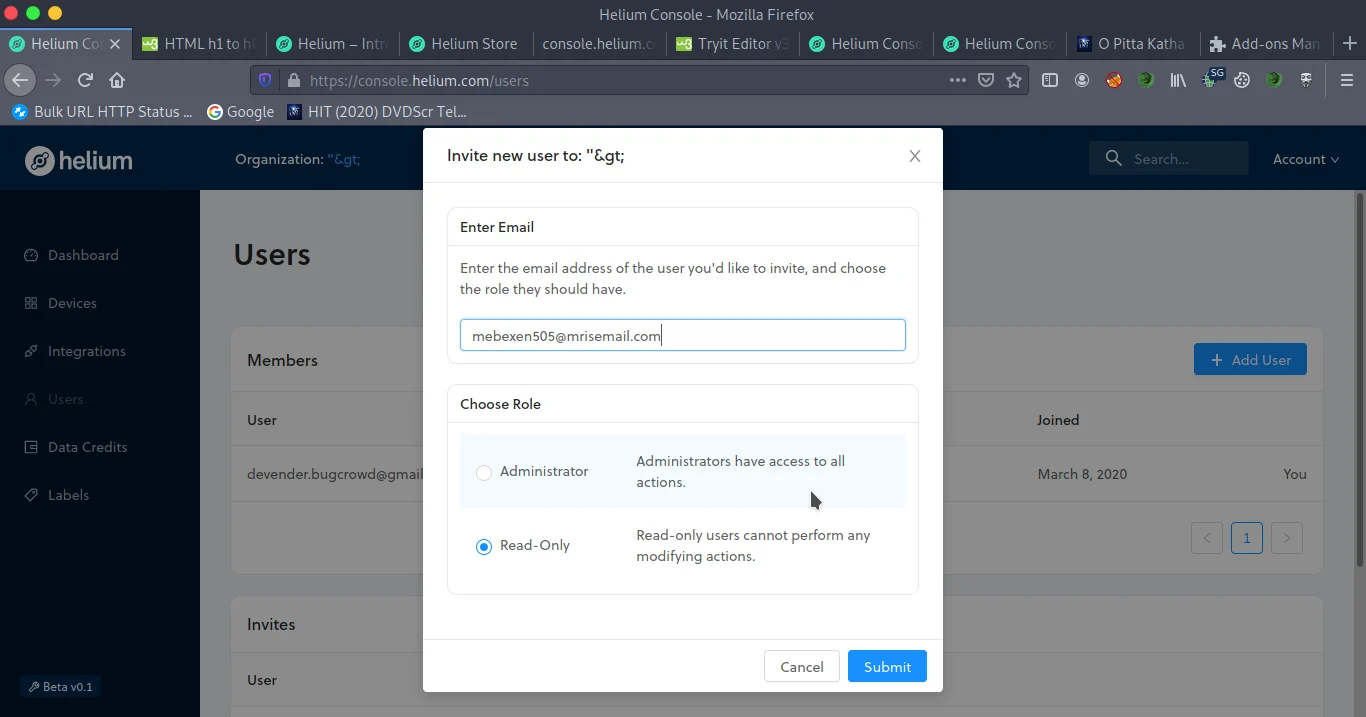
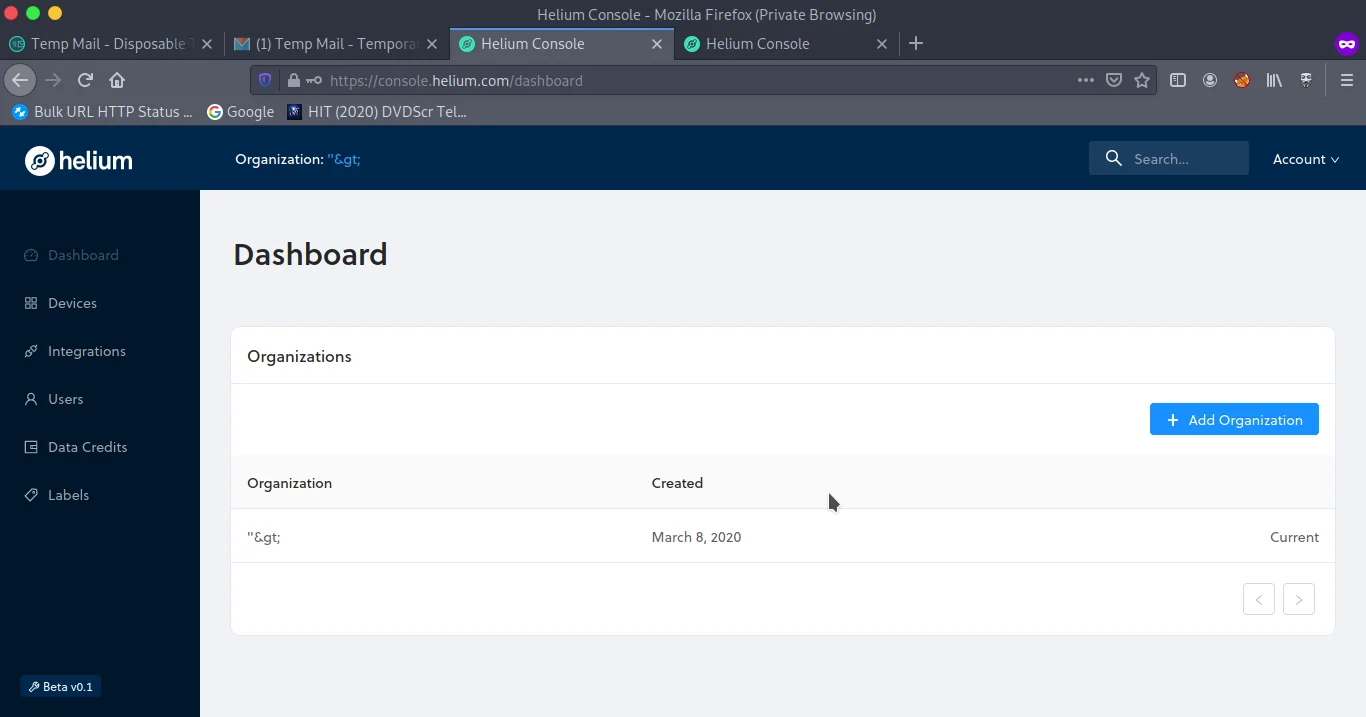
- After creating the account for your organization, go to the Users tab and here you can see your organization name on the top, now try to add a user by using the mail id with the role of the administration.
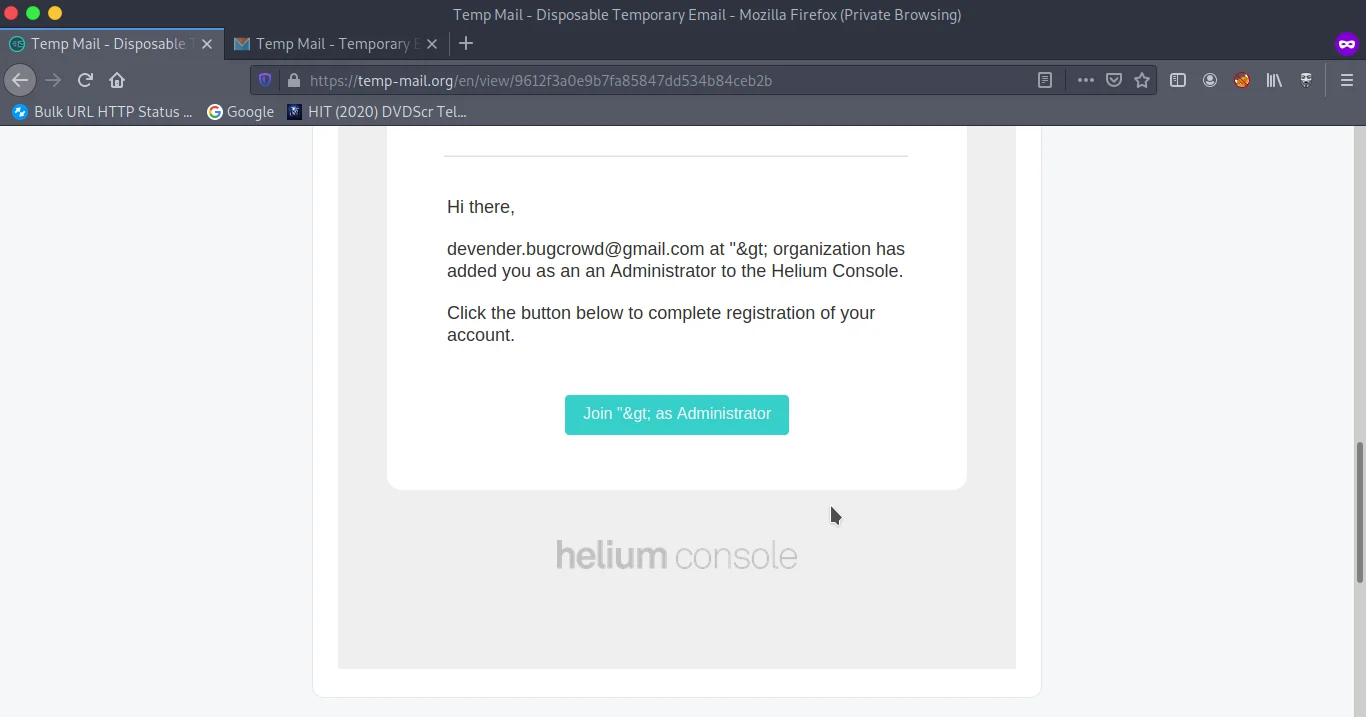
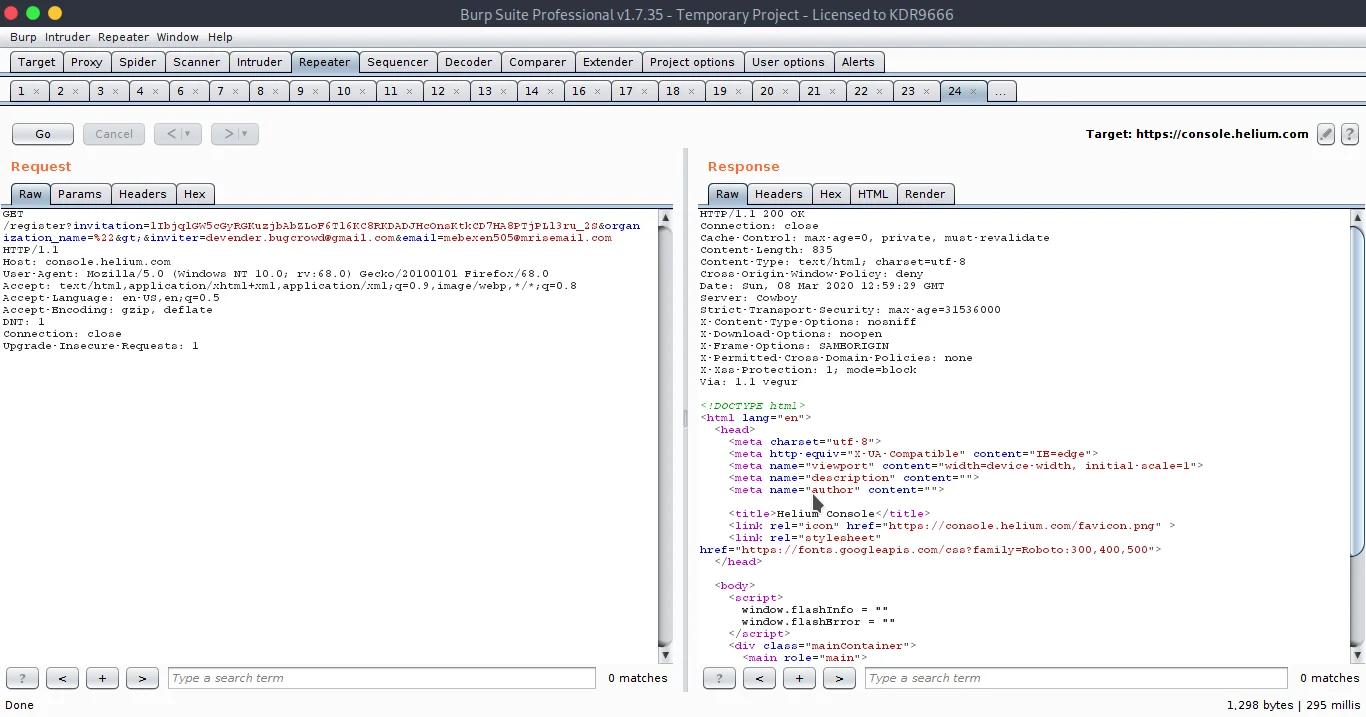
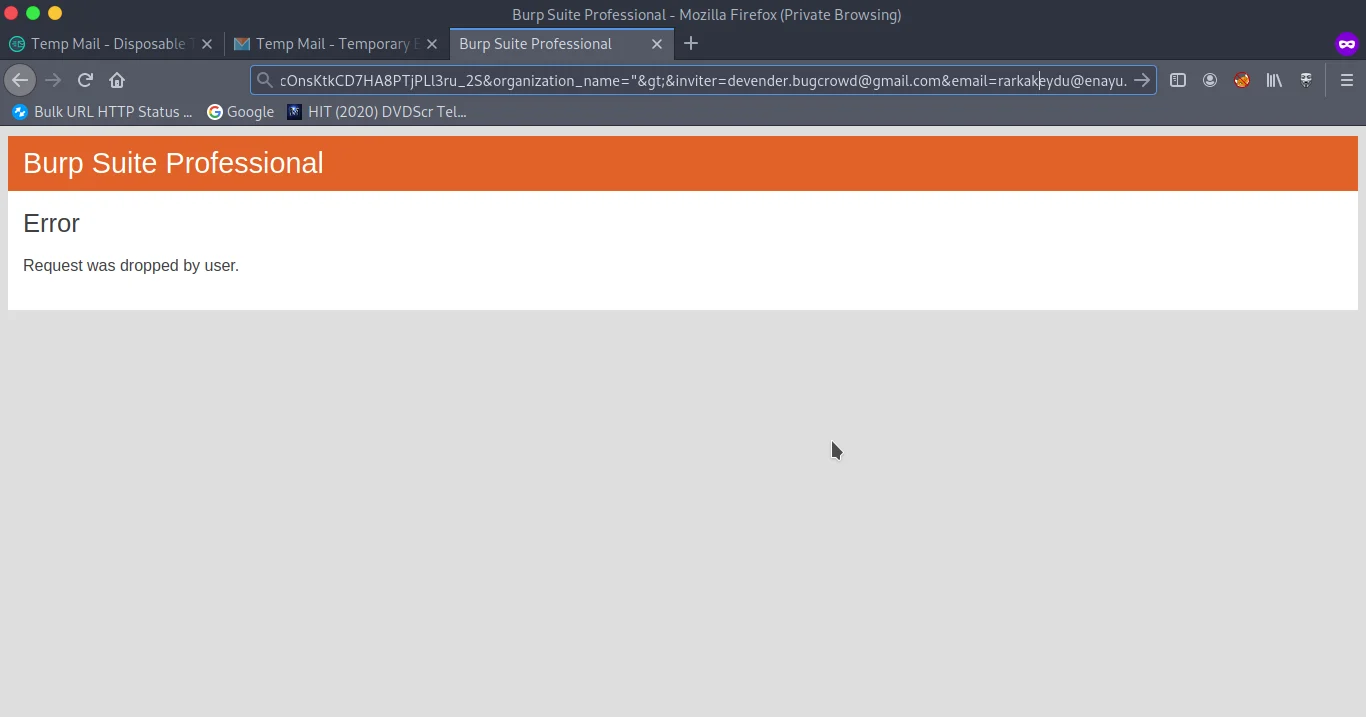
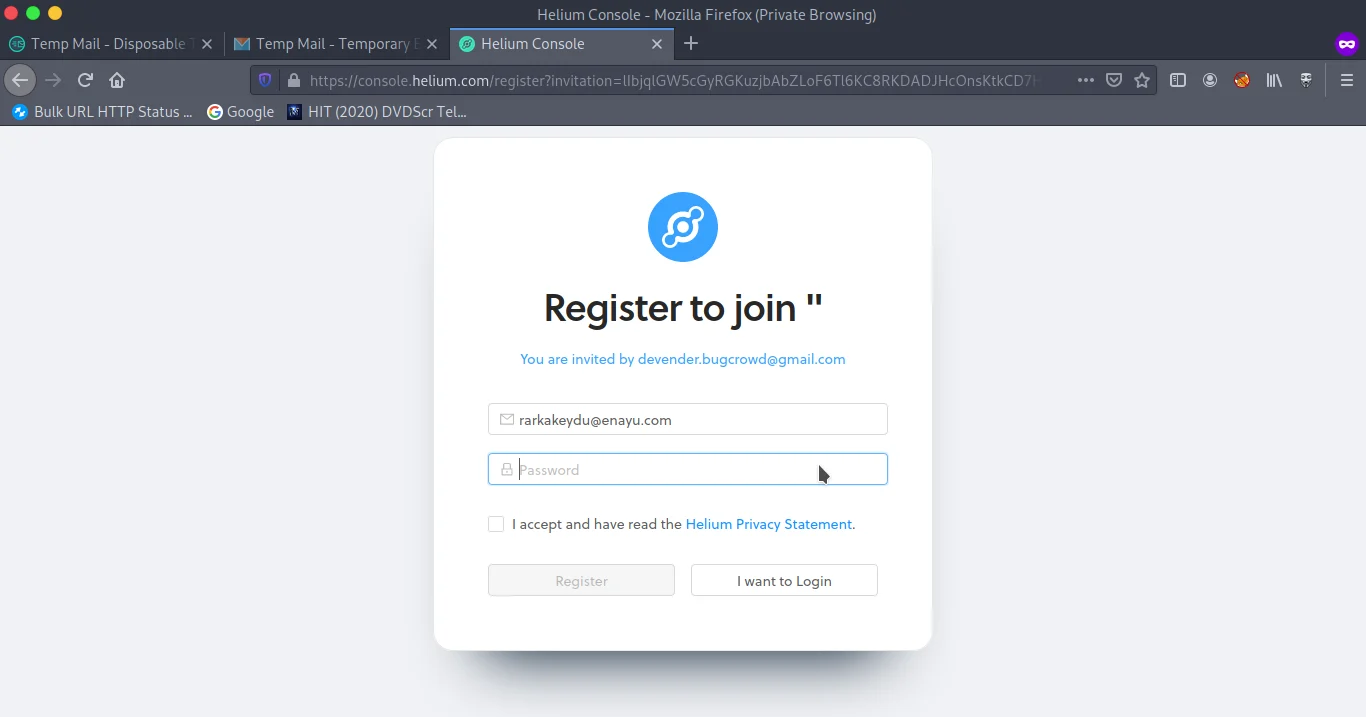
- Then the opposite user will receive the invitation link from the first user, Click on the invitation link it will take you into the registration page of Console.helium.com, but here thing is, just go to URL of current page here you can see the organization name, inviter id and also invite receiver id and change the mail id of receiver and click on enter.
- Now, you able to see the registration page again with different mail id in the field of the username and create a password for this id and click on the Register button.
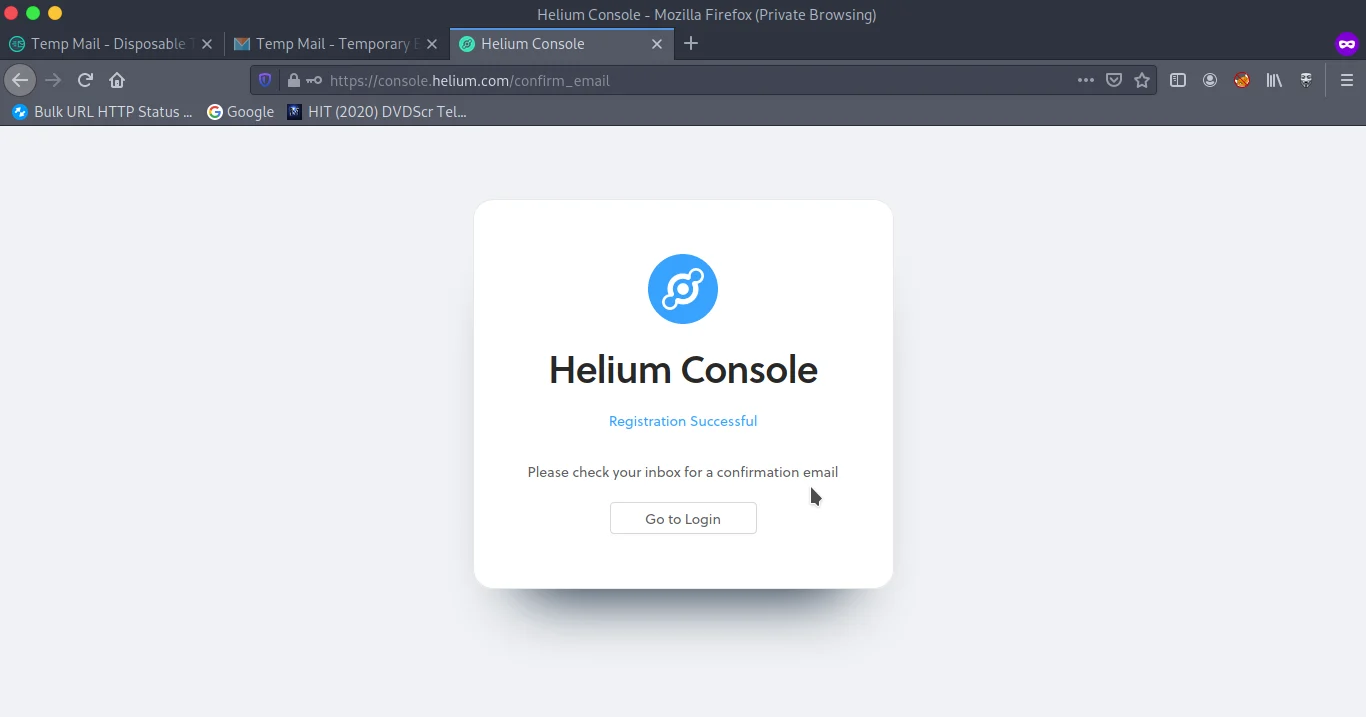
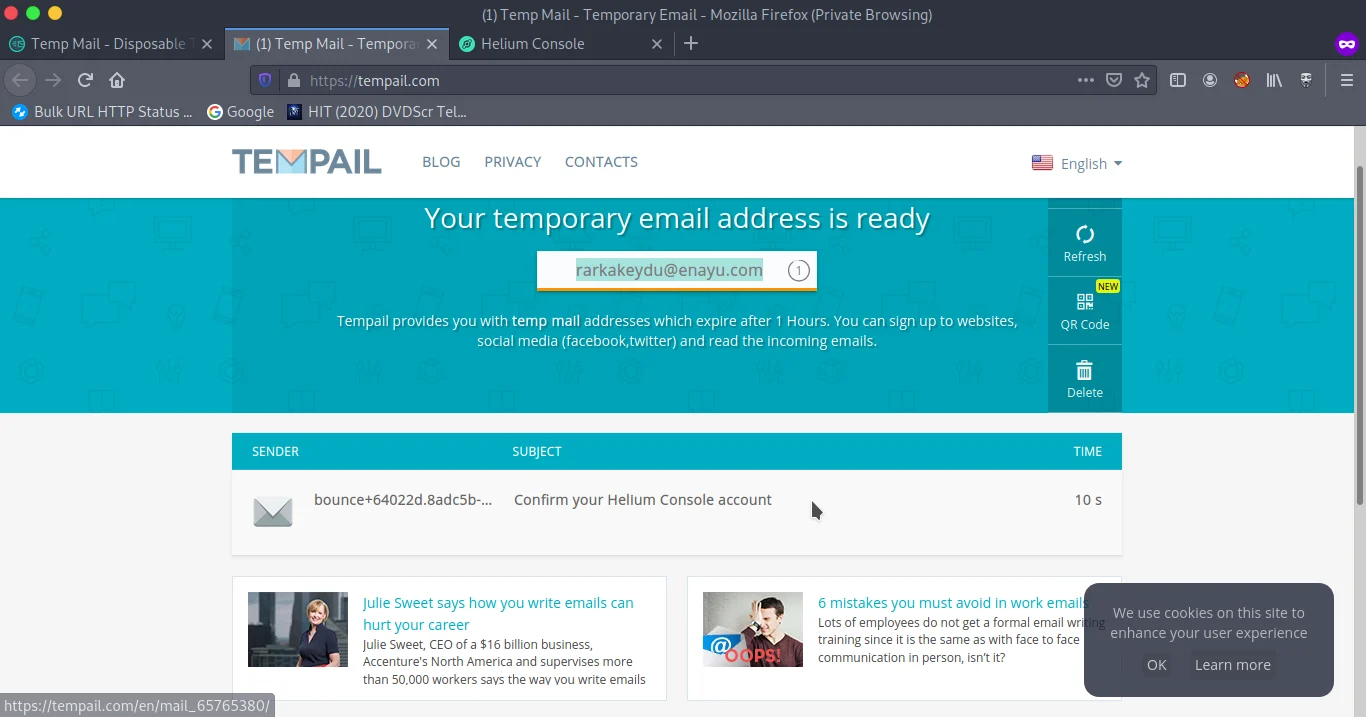
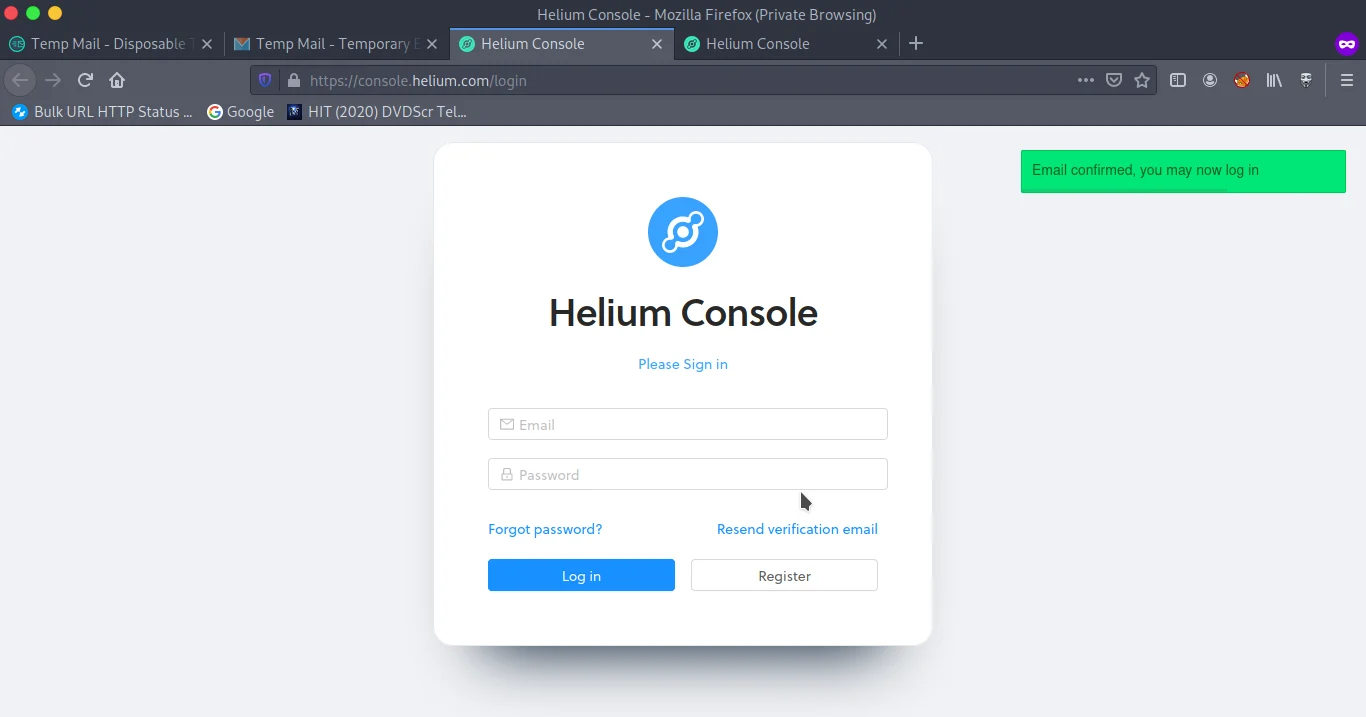
- Now, this last mail id will receive a confirmation link to complete the registration process, for this go to the mailbox and click on the link and after trying to log in.
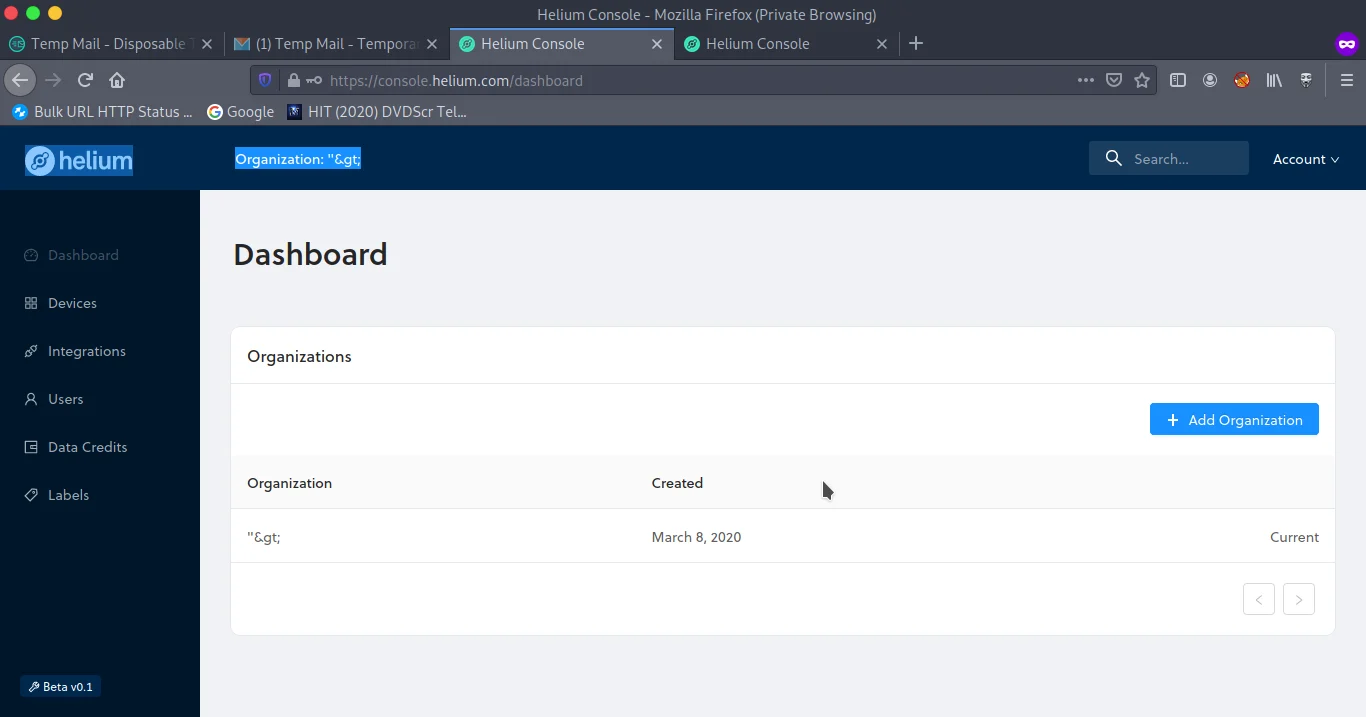
- After a successful login to the account, you can see the organization name of the inviter. Now you are also one the administrator of this organization.
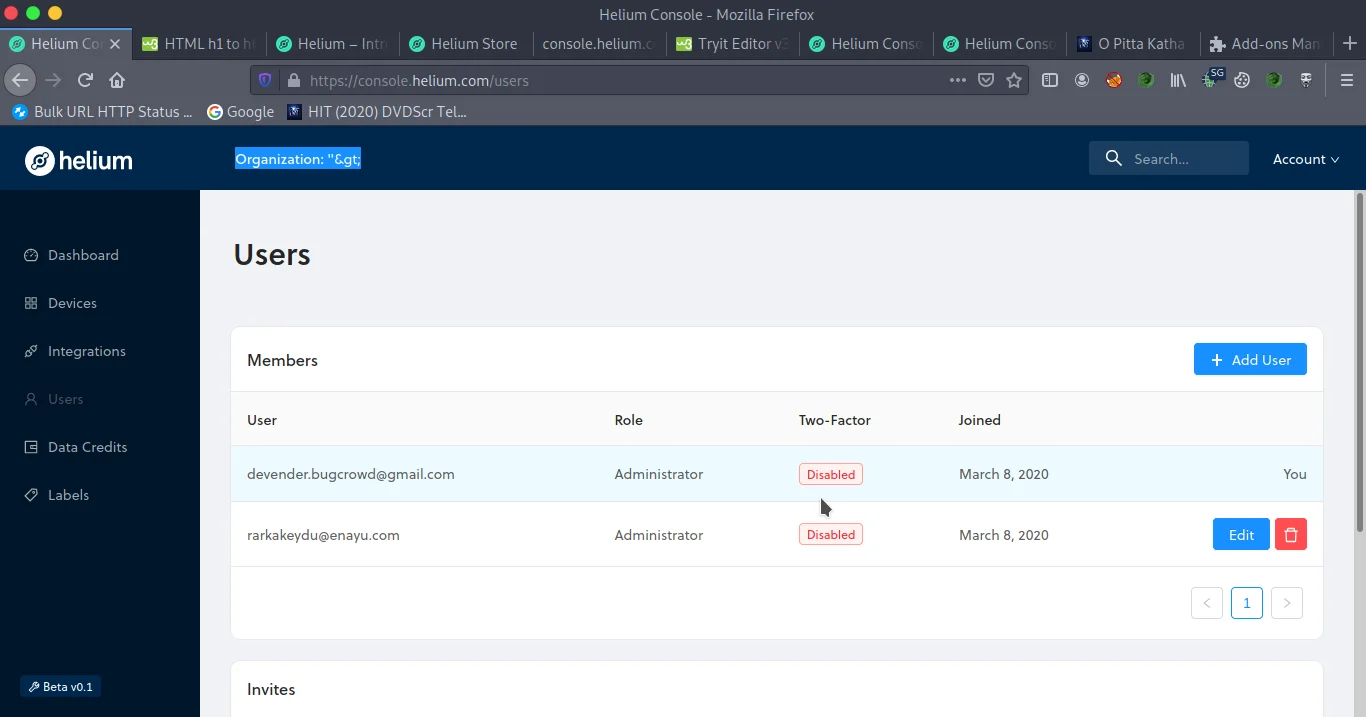
- To confirm this, go to a first user account who invited into the administrator role, here you can able see the mail id of the last user instead of the real one.
- Yes… we have successfully done it.
Impact
Full administrator account take over.
Severity: Critical
Attachments
Not written yet. The AI write-up for this report has not been written yet. The Original tab links to the source.
How it worked
Root cause
Likely the invitation acceptance flow trusted identifiers and the recipient email taken from the URL instead of binding the invitation to a server-side record for the originally invited address.
Impact
An attacker holding an administrator invitation link could join the organisation as an administrator, leading to full administrator account takeover.
What the attacker needed
An administrator invitation link; ability to register a new account
How it was found
- Create an account for an organisation and invite a user with the administrator role from the Users tab.
- Open the invitation link, which lands on the registration page, and inspect the page URL.
- Change the recipient email in the URL and submit it.
- Register a password for the new email and complete registration via the confirmation link.
- Log in and observe that the new account is an administrator of the inviter's organisation.
- Check the inviter's user list and see the new email in place of the originally invited one.
Explained by bugbounty.wiki with AI from the original and checked against quotes from it; it can still be wrong. Read the original before relying on a detail.
Not written yet. The AI write-up for this report has not been written yet. The Original tab links to the source.
The invite link shows who sent it and who should receive it in the address bar, and these details could be edited to swap in a different email. Because the invitation was for an administrator role, the new account joined the organisation as an administrator.
What is Access control?
A user can do something their role should not allow: reach an admin function, act on a feature they have not paid for, or skip a permission check. IDOR is the special case where the object belongs to someone else.

