Inadequate access controls in "Vote" functionality???
The reporter found that vote buttons on the Hacktivity page could be triggered by manipulating client-side controls and JSON values, and that the vote endpoints accepted requests. The text does not show that an unauthorised user could actually vote on another user's behalf, so the security impact is unproven.

- Triaged in 5 hours
- Fixed in 35 hours
- Disclosed after 35 hours
Hello there, First of all let me congratulate you for including pornhub in the list of bug bounty programs, me and my colleagues will have a lot of fun with it hahahahahah. Awesome...
Anyways, I stumbled upon something whilst testing hackerone's main site. I don't know if it's a feature that it's going to be implemented soon or if it's something internal, I also have no idea if there are any risks involved in this, I'm confident you'll be accurate in your evaluation.
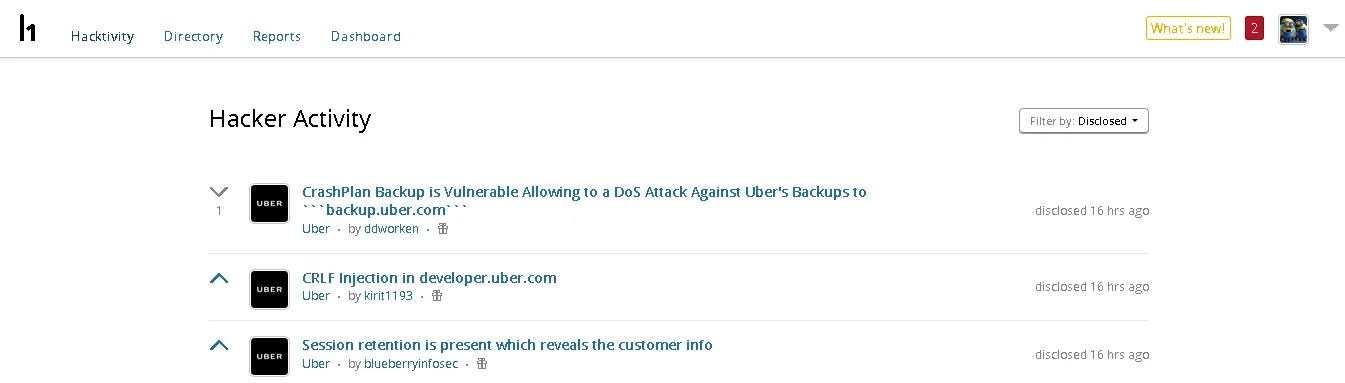
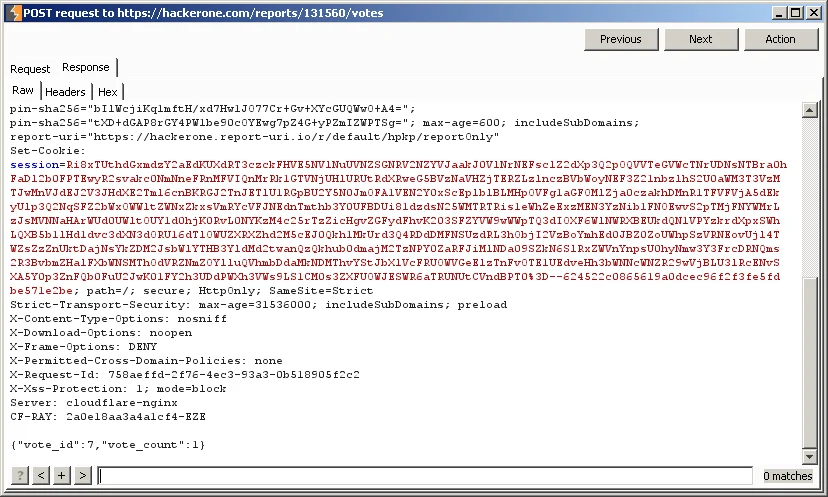
I started just for fun removing every "disabled" from every control on the web page and changing every "false" for a "true" on every json request, just to see what popped up, I've still have to cover the whole page and try everything to see that there are no client-side only reliant validations on the web page and/or info disclosure, but suddenly on the "Hacktivity" page this "vote buttons" appeared, and to my suprise, when I clicked one of them to go through as a request and assign a "vote id". I of course deleted my vote afterwards, I have no idea what I'm affecting.
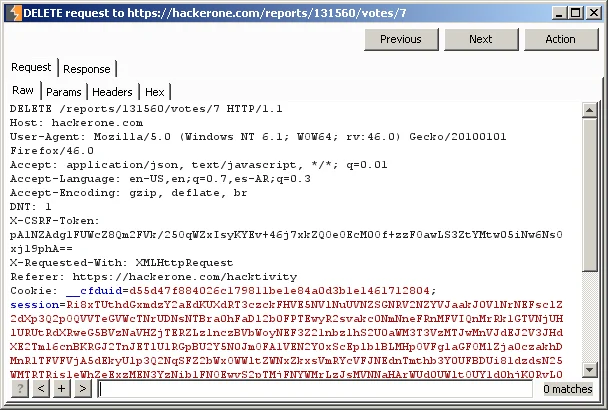
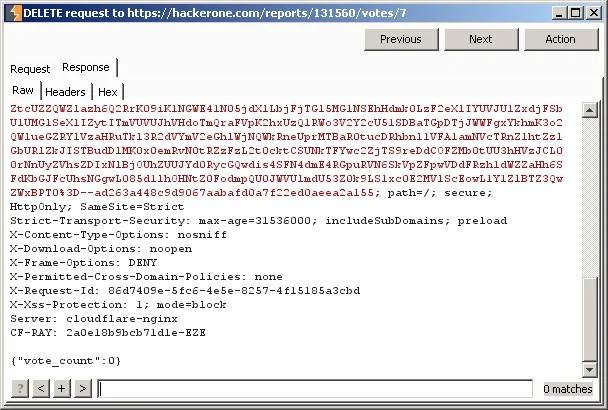
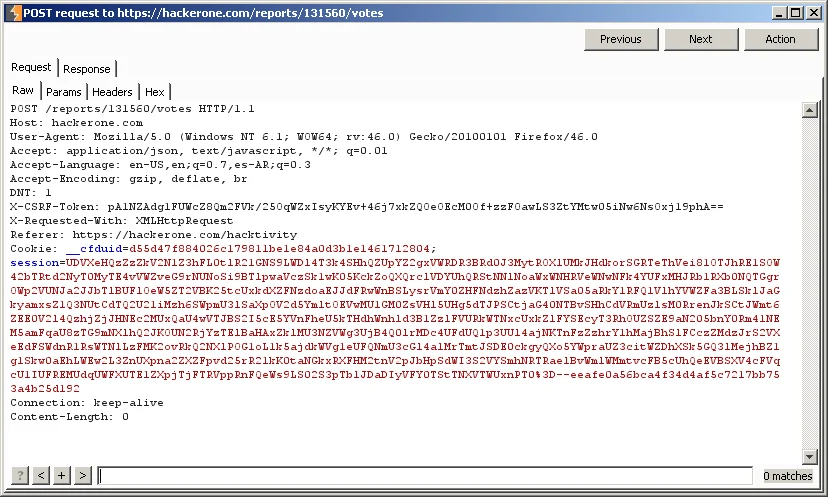
Anyways, the endpoint seems to be in https://hackerone.com/reports/[Report_ID]/votes, which accepts the POST method and https://hackerone.com/reports/[Report_ID]/votes/[VOTE_ID] which accepts the DELETE method.
The fix would be fairily easy, implement server-side controls in order to prevent unauthorized users from using this feature.
Please let me know if this is something you would be interested in and we'll work together to fix it if necessary. Otherwise, please just mark it as informational.
I'm also including screenshots with both requests and responses.
Kind Regards, Apok.
Attachments
Not written yet. The AI write-up for this report has not been written yet. The Original tab links to the source.
How it worked
Root cause
Likely the vote feature relied on client-side hiding or disabling of controls rather than enforcing authorisation on the server, though the text does not confirm a server-side gap.
Impact
The reporter could not determine what was affected and did not demonstrate that another user's vote or data could be changed, so no concrete impact is shown.
What the attacker needed
Ability to edit page controls in the browser
The fix
The vote feature should enforce authorisation on the server so users cannot act on votes they do not own.
How it was found
- Open the Hacktivity page and remove the disabled attribute from page controls.
- Change false values to true in JSON requests.
- Click a vote button so a vote request is sent and a vote id is assigned.
- Delete the vote afterwards.
Explained by bugbounty.wiki with AI from the original and checked against quotes from it; it can still be wrong. Read the original before relying on a detail.
Not written yet. The AI write-up for this report has not been written yet. The Original tab links to the source.
Some web pages hide or disable buttons in the browser, but the real check should happen on the server. This reporter turned those hidden controls back on and saw vote requests being sent. It is unclear whether the server actually let them do anything they should not have been able to do.
What is Access control?
A user can do something their role should not allow: reach an admin function, act on a feature they have not paid for, or skip a permission check. IDOR is the special case where the object belongs to someone else.





