How I found the vulnerability?
The ride-hailing app's SMS-to-driver feature revealed the driver's real phone number instead of using the anonymisation proxy. An attacker could learn a driver's personal number and contact them directly, bypassing the privacy protection.
 Published on 3bodymo.medium.com
Hi all, today I will talk about first vulnerability I found it. At that time, I knew little about information security, so I was not do scan or something like that, I used to use the application as a normal user, but curiosity pushed me to find this vulnerability.
The full write-up lives on its author's site
It belongs to its author, so we link to it rather than copy it. The other two tabs are our own rewrites, checked against it.
Context
Uber anonymises the phone numbers of drivers and riders so that neither side sees the other's real number. The report links to Uber's own blog post about the number anonymisation feature for background. The feature under test is the in-app contact flow that a rider reaches after a trip has been requested: it offers a phone call option and an SMS option for talking to the driver. The call option routes through Uber's general number, so the driver's real number stays hidden. The SMS option is where the problem was.
Setup
No special tooling was involved. The researcher had little information security experience at the time, did not run scanners, and used the Uber application as an ordinary user. The only precondition shown is a requested trip, because the contact options appear in the context of a conversation with a driver. The report gives no app version, platform or build number.
Finding it
A friend asked the researcher to request a trip on behalf of someone else. When the driver arrived, the researcher wanted to pass the driver's number to the friend so that the friend could pass it on. The researcher knew that Uber protects driver and customer numbers, but clicked around the interface out of curiosity and found a feature that allows sending an SMS to the driver. Clicking it displayed the driver's real number. The number was handed over, and afterwards the researcher reasoned that this was unusual behaviour and likely a vulnerability.
Exploitation
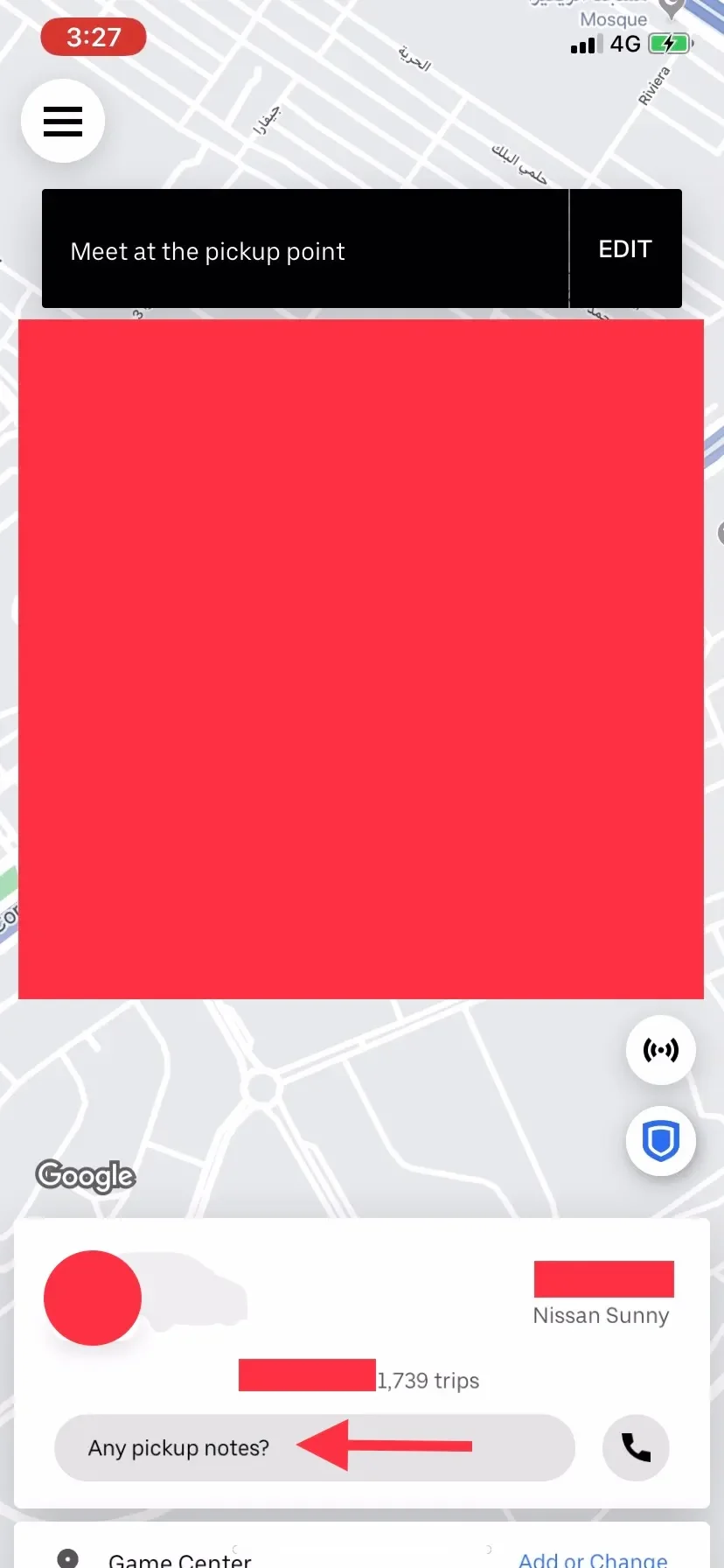
Step 1: open the conversation with the driver
Request a trip, then press the location of the arrow indicated in the picture below in order to have a conversation with the driver.
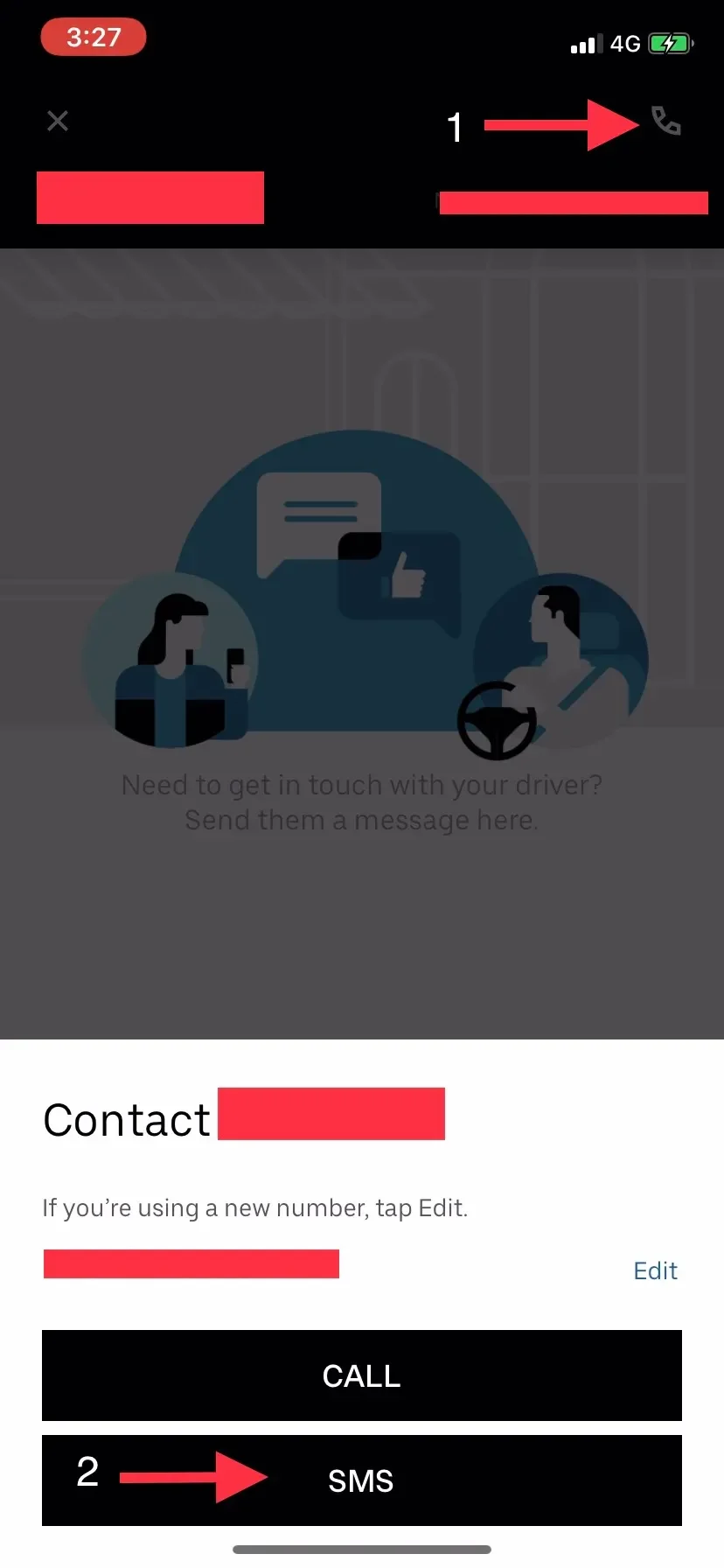
Step 2: open the contact options
Click on the phone sign above. Two options appear. The first is to make a phone call with the driver; clicking it directs you to the Uber general number and you do not learn the real driver's number.
Step 3: choose SMS and read the number
The second option is to send an SMS to the driver. Clicking it reveals the real driver's number.
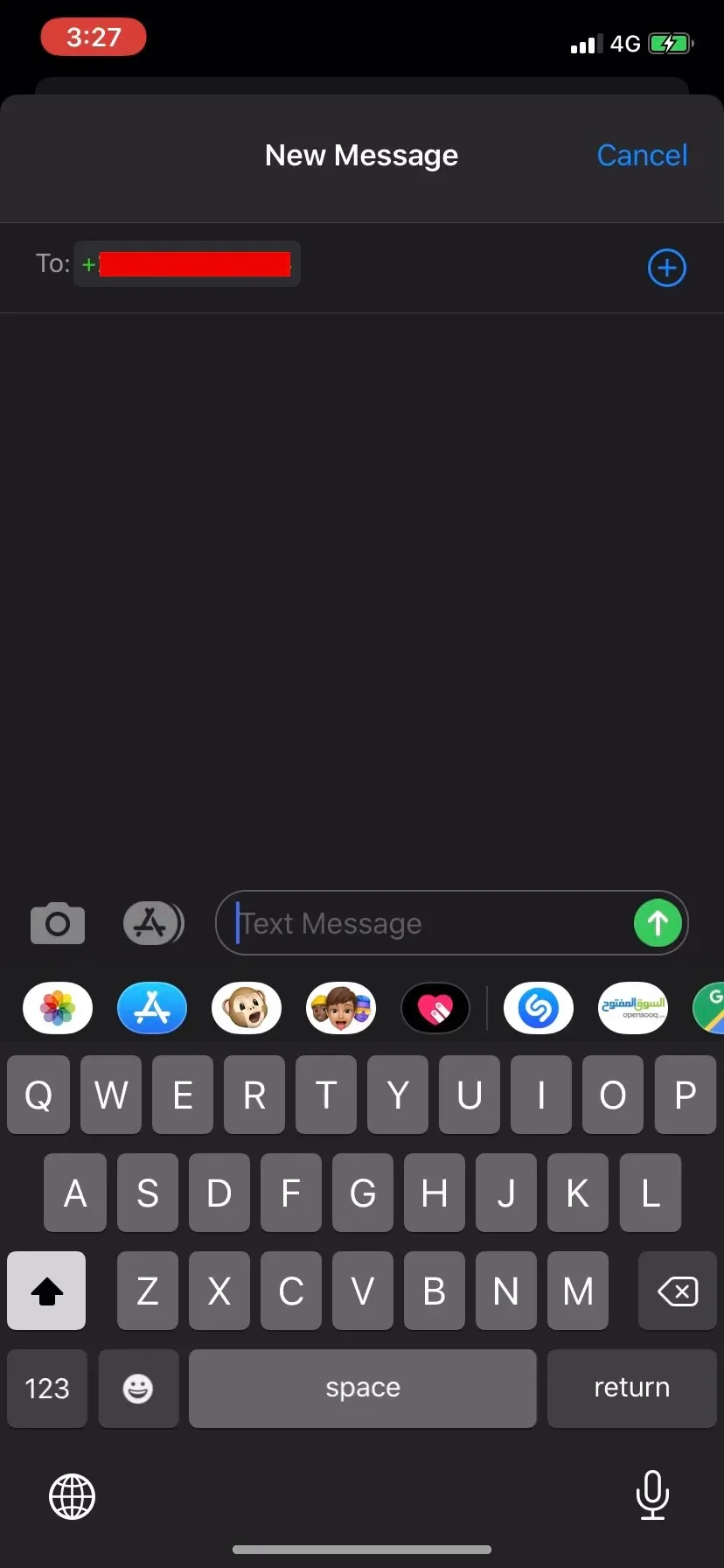
The difference between the two options is the bug: the call path leads to Uber's general number, while the SMS path shows the real driver's number.
Root cause
The report does not describe the implementation, so the cause can only be inferred. The report does not describe the implementation, so the cause cannot be determined from it. The anonymisation defence therefore covered one contact channel but not the other. Nothing in the report indicates that any additional check, such as masking the number in the UI or routing the SMS through the proxy, was present on the SMS path.
Impact
A rider who has requested a trip can obtain the real phone number of the assigned driver. The practical consequence is that the privacy protection Uber advertises for drivers is bypassed for any rider willing to click the SMS option.
Fix
Uber fixed the issue. The report states that the vulnerability was fixed a month after it was sent, but does not say what was changed.
Reporting and timeline
The researcher looked for Uber on HackerOne and found their program, but could not submit a report because the account was new and had no reputation. HackerOne support did not help. The researcher then found Khaled Hassan on Facebook, a long-time security researcher, and sent him the vulnerability so that he could send it on the researcher's behalf. The two had never met at that point. The vulnerability was fixed a month after it was sent and the researcher received a first bounty.

| Date | Event |
|---|---|
| Jan 29, 2020 | Bug reported |
| Jan 31, 2020 | Triaged |
| Mar 4, 2020 | Bug fixed |
| Mar 6, 2020 | Rewarded $2500 |
Lessons learned
- No information security experience is required to find this class of bug. Use the application or website, walk through it and understand how it works before starting to hack; that gives good results and surfaces many bugs.
- Pay attention to logic vulnerabilities.
- When you suspect a vulnerability and are unsure, consult a close friend and do not lose hope.
Variants to test
- Compare every contact channel on a target that advertises number masking: call, SMS, in-app messaging, voicemail and any fallback. A positive result is one channel that returns or dials the real counterpart number while the others go through the proxy.
- Inspect the API responses behind the contact screen rather than only the UI. A positive result is a response field containing an unmasked number that the interface normally hides.
- Test the same flow from both sides of the marketplace, rider and driver, and after the trip ends. A positive result is disclosure in a state where the platform claims the number is no longer shared.
- Try the contact flow with a trip that has been cancelled or reassigned. A positive result is a number for a driver the account is no longer matched with.
- Check whether the masked number and the real number differ per request, and whether the client ever receives both. A positive result is the real number appearing alongside the proxy number in the same payload.
What happened, in plain words
Uber is a ride-hailing app: you open it, ask for a car, and a driver is matched to you. Once a driver is on the way, you often need to talk to them, for example to say "I am at the corner, near the blue door". Uber does not want you and the driver to see each other's real phone numbers. So Uber hides both numbers behind a system called number anonymisation: you press a button, and the call goes through an Uber number instead of the driver's real one.
This report is about a gap in that protection. When the researcher used the app as a normal rider and opened the contact screen for a driver, there were two ways to get in touch: a phone call and an SMS (a text message). The phone call option directed the researcher to Uber's general number. The SMS option, however, showed the driver's real phone number on the screen. The protection covered one door but not the other.
The researcher had almost no security background at the time. They were not running any special tools, just using the app and clicking around out of curiosity. That is the whole point of the story: you do not need to be an expert to notice that something the app promises to hide is being shown to you.
A few words before we start, because this write-up uses some everyday app ideas:
- The app and its server. The Uber app on your phone is only the front window. The real information (who the driver is, what their number is, where the car is) lives on Uber's computers, called servers. The app asks the server for information and the server answers. That conversation is what people call an API (Application Programming Interface): a set of addresses the app can ask questions to, and the format of the answers.
- A feature. A feature is one thing the app can do, such as "call the driver" or "send the driver a text". Each feature is usually a small piece of the app talking to one part of the server.
- A vulnerability. A vulnerability is a weakness that lets the app do something it was not supposed to do, or show something it was supposed to keep hidden. Here the weakness is that a number Uber promises to hide is shown anyway. This particular kind is called information disclosure: the system gives away data it should protect. It is also a logic vulnerability, meaning the code is not crashing or misbehaving in a technical sense; it simply makes a wrong decision about who is allowed to see what.
- Privacy protection. When a company says it protects your number, it means the other person should never receive the digits. The test is simple: can you, as an ordinary user, read the real digits anywhere on your screen?
How the researcher found it
A friend asked the researcher to request a trip on behalf of someone else. When the driver arrived, the researcher wanted to pass the driver's number to the friend, so the friend could pass it on to the person actually travelling. The researcher already knew that Uber protects driver and customer numbers, but was curious, so they clicked around the interface. They found a feature that lets you send an SMS to the driver. Clicking it displayed the driver's real number.
The number was handed over, and only afterwards did the researcher stop and think: this is unusual. The app is supposed to hide this. That moment of "wait, that should not have happened" is the beginning of every bug report. Nothing technical was needed to notice it, just knowledge of what the app promises.
Reproducing it, step by step
Reproducing a bug means making it happen again on purpose, following a fixed set of steps, so that someone else can see it too. Here is the sequence.
Step 1: open the conversation with the driver
Request a trip. After that, press the location of the arrow indicated in the picture below, in order to have a conversation with the driver.
Why this step: the contact options only exist in the context of a trip. The app needs to know which driver you are matched with before it can offer to contact them. The arrow in the screenshot points at the button that opens the conversation screen.
Step 2: open the contact options
Click on the phone sign above. Two options appear. The first is to make a phone call with the driver; if you click it, it directs you to the Uber general number and you will not know the real driver's number.
Why this step: this is the control in the experiment. The call option is the behaviour Uber intends: the call is routed through Uber's own number, so the driver's digits never reach your phone. Seeing this work correctly is what makes the SMS result suspicious by comparison.
Step 3: choose SMS and read the number
The second option is to send an SMS to the driver. When you click on it, the real driver's number appears for you.
Why this step: this is the actual test. The SMS option showed the real driver's number on screen. Here it is the real one, displayed on screen.
The whole bug is the difference between the two options. The call path is correctly sent through Uber's number, while the SMS path gives the underlying real number straight to the rider.
Why it probably happened
The report does not describe how Uber built the feature, so any explanation of the cause is a guess. The report does not describe how Uber built the feature, so the cause cannot be determined from it. In other words, the protection was applied to one contact channel and not the other. Nothing in the report suggests that any extra check, such as masking the number on screen or routing the text through the same service, existed on the SMS path.
A useful comparison: imagine a hotel that hides guests' room numbers from callers. The receptionist transfers calls to the room without saying the number, which is the call option working. But if a guest asks for the room number in writing, the receptionist writes the real number on a note, which is the SMS option failing. The rule was followed in one channel and forgotten in the other.
What the impact was
A rider who has requested a trip can obtain the real phone number of the driver assigned to them. That is the extent of what the report shows. The practical consequence is that the privacy protection Uber advertises for drivers can be bypassed by any rider willing to click the SMS option.
How it was fixed
Uber fixed the issue. The report says the vulnerability was fixed a month after it was sent, but does not say what was changed.
How it was reported
The researcher looked for Uber on HackerOne, a website where companies publish bug bounty programs: rules for reporting security bugs and, usually, rewards for valid ones. They found Uber's program but could not submit a report, because their account was new and had no reputation. HackerOne support did not help either.
The researcher then searched Facebook and found Khaled Hassan, a long-time security researcher, and sent him the vulnerability so that he could send it on the researcher's behalf. The two had never met at that point. The vulnerability was fixed a month after it was sent, and the researcher received a first bounty.
| Date | Event |
|---|---|
| Jan 29, 2020 | Bug reported |
| Jan 31, 2020 | Triaged |
| Mar 4, 2020 | Bug fixed |
| Mar 6, 2020 | Rewarded $2500 |
"Triaged" means the company's security team looked at the report, confirmed it was real and put it in their queue to fix. "Rewarded" means the bounty was paid.
Lessons learned
- You do not need information security experience to find this kind of bug. Use the application or website, walk through it and understand how it works before you start trying to break it; that gives good results and surfaces many bugs.
- Pay attention to logic vulnerabilities: bugs where the system does something wrong with information it already has, rather than crashing.
- When you suspect a vulnerability and are unsure, consult a close friend and do not lose hope.
Things worth trying on other apps
These are general ideas for testing a product that claims to hide phone numbers, not steps from this report:
- Compare every way of contacting the other person: call, SMS, in-app chat, voicemail and any fallback. A positive result is one channel that shows or dials the real number while the others go through the proxy.
- Look at what the app receives from the server behind the contact screen, not only at what the screen shows. A positive result is a field containing an unmasked number that the interface normally hides.
- Test the same flow from both sides, rider and driver, and after the trip has ended. A positive result is disclosure in a state where the platform says the number is no longer shared.
- Try the contact flow with a trip that was cancelled or reassigned. A positive result is a number for a driver the account is no longer matched with.
- Check whether the masked number and the real number change between requests, and whether the app ever receives both. A positive result is the real number appearing next to the proxy number in the same response.
Glossary
- API: the set of addresses and rules an app uses to ask a company's servers for information and to send information back.
- Bug bounty program: a scheme where a company invites outsiders to report security bugs and pays for valid ones, usually run on a platform such as HackerOne.
- Bounty: the money paid for a valid bug report.
- Information disclosure: a weakness where a system reveals data it was supposed to keep hidden.
- Logic vulnerability: a bug where the system makes a wrong decision about what is allowed, rather than crashing or misbehaving technically.
- Number anonymisation: replacing real phone numbers with a temporary company number so that the two people never see each other's digits.
- Proxy (in this context): an intermediary number or service that connects a call or message without revealing the real destination.
- Reproduce: to make a bug happen again on purpose by following fixed steps.
- Rider: the customer who requests a trip in a ride-hailing app.
- SMS: a text message sent over the mobile phone network.
- Triaged: reviewed and confirmed as a real issue by the company's security team, and queued for fixing.
- Vulnerability: a weakness that lets a system do something it was not supposed to do, or reveal something it was supposed to protect.






