Session Replay Attack Allows Authentication Bypass via Captured Login Responses Allowing Bypass of 429 Too many attempts for Multiple Failed Logins
The report claims that a server accepts a previously captured successful login response when a new login attempt with wrong credentials is made, granting access. It also says old session tokens remain valid after logout, allowing replay.
 Originally disclosed on HackerOne
- Disclosed after 19 hours
#Summary An attacker can bypass authentication by capturing a valid login response (including session cookies/tokens) and replaying it during a failed login attempt with incorrect credentials. The server fails to invalidate or validate session tokens properly, allowing unauthorized access even after logout.
#Steps to Reproduce
- Legitimate Login:
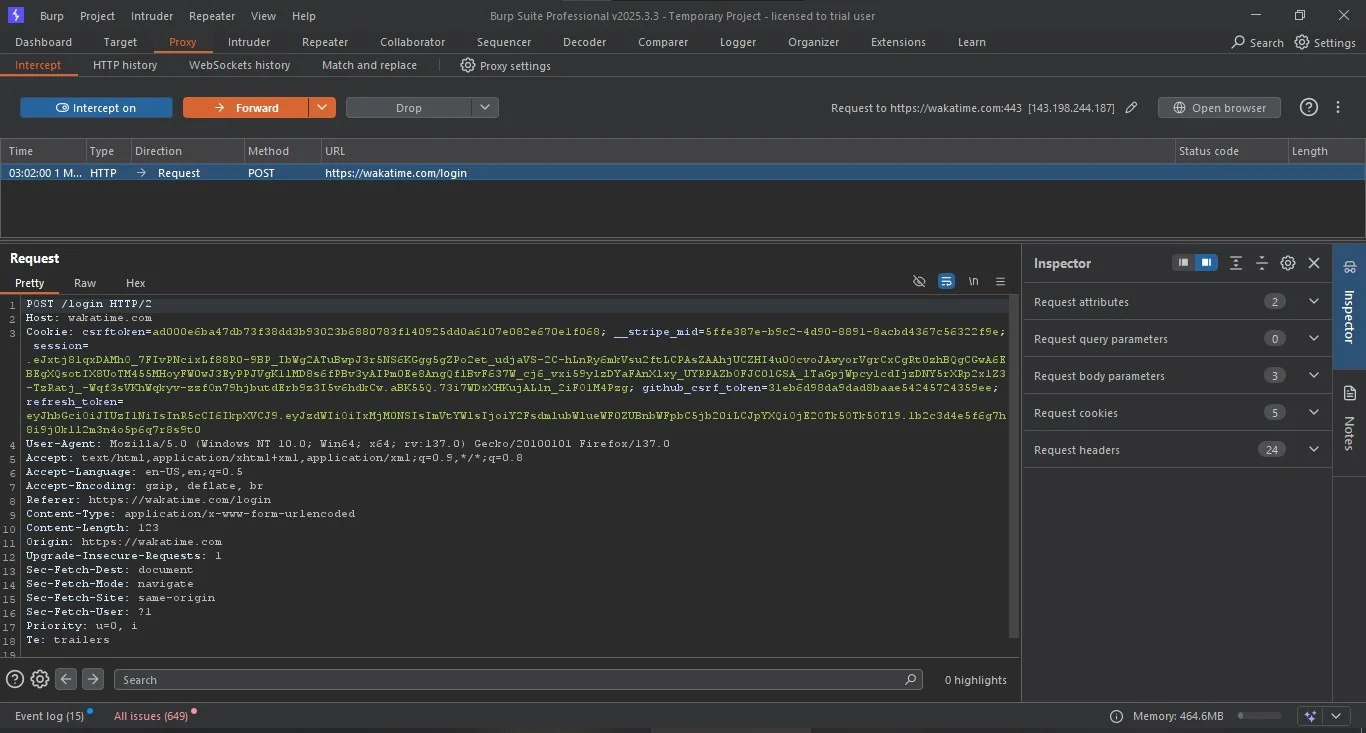
Send a valid login request (correct email/password). Capture the response using Burp Suite and copy it.
- Invalid Login:
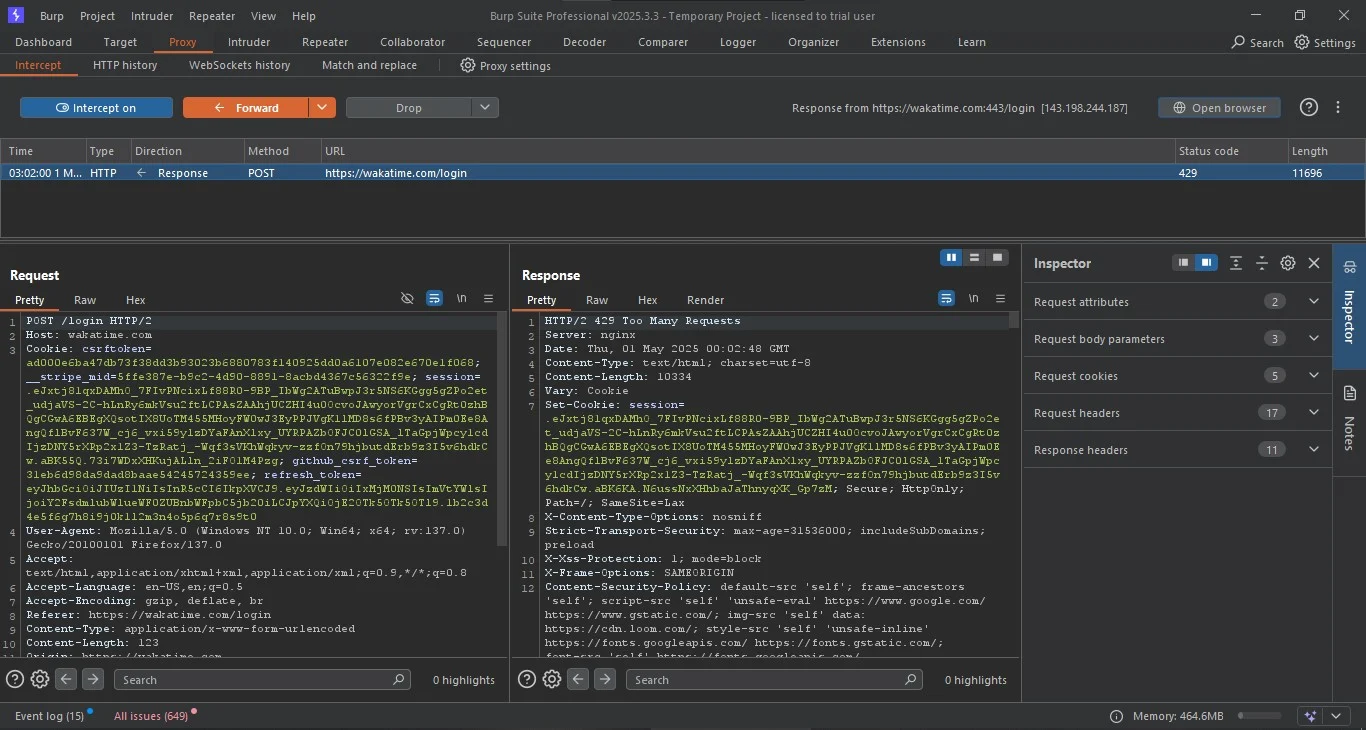
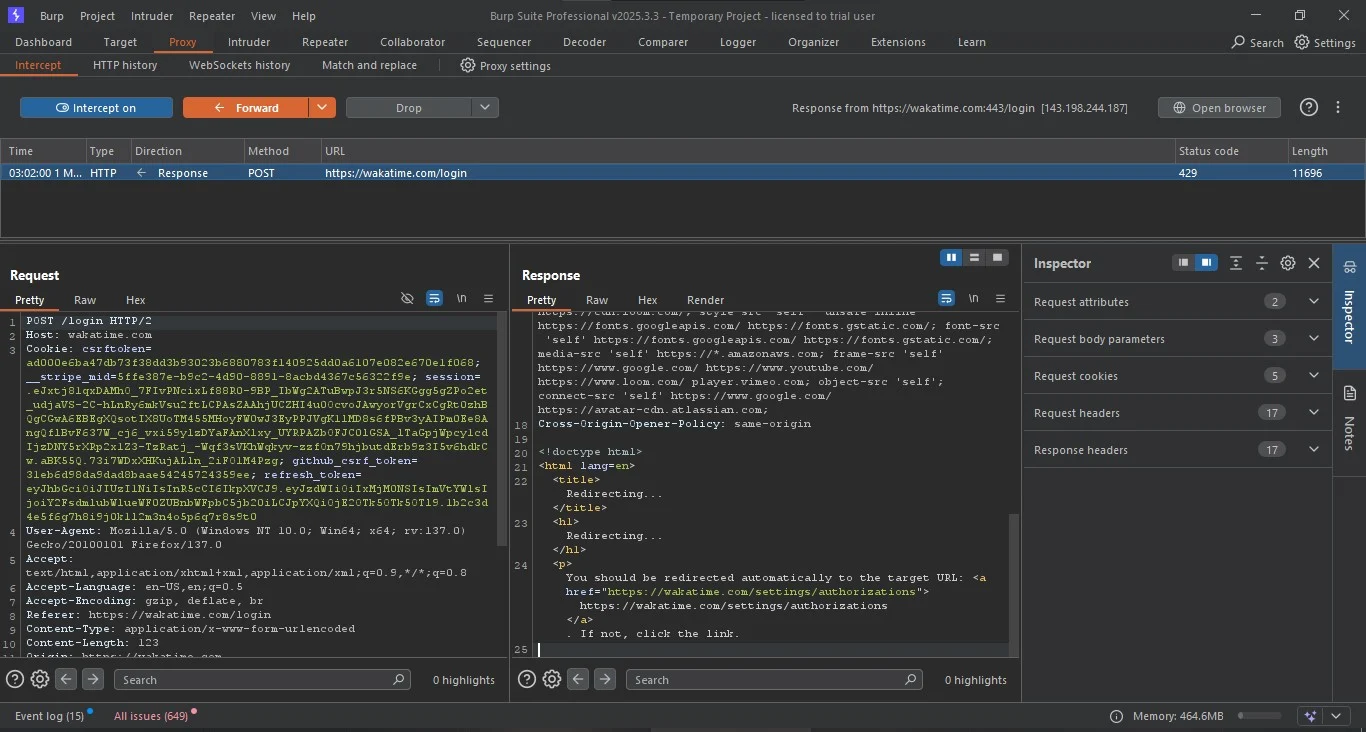
Log out the user. Send a new login request with an incorrect password. Replace the 400 Bad Request response with the previously captured legitimate login response (including the valid session cookie).
- Result:
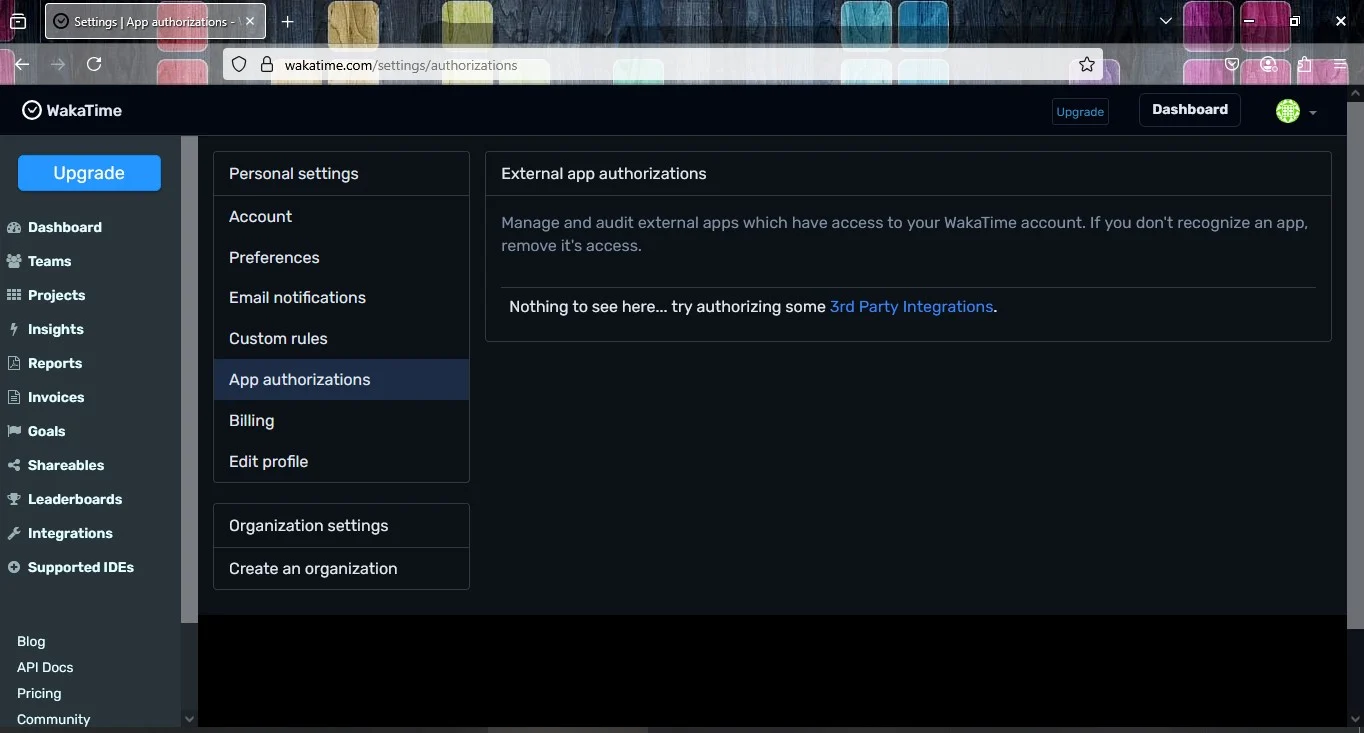
The server grants access to the account despite the wrong password. The attacker can now interact with the account as the legitimate user.
#Recommendations Server-Side Session Invalidation: Maintain a database of active sessions and revoke old tokens on logout or failed login attempts.
Token Binding: Bind session tokens to user context (e.g., IP address, user agent hash).
Short-Lived Tokens: Use JWT with short expiration times (e.g., 15 minutes) and refresh tokens.
Replay Attack Mitigation: Add a unique nonce or timestamp to each login request.
Secure Cookie Attributes: Ensure cookies include Secure, HttpOnly, SameSite=Strict, and Max-Age
Impact
Unauthorized Account Access: Attackers can compromise any account by replaying captured session tokens. Persistence: Old tokens remain valid indefinitely. Data Theft/Abuse: Sensitive user data (coding activity, API keys, etc.) can be stolen or modified.
Attachments
Not written yet. The AI write-up for this report has not been written yet. The Original tab links to the source.
How it worked
Root cause
Likely the server does not invalidate session tokens on logout or failed login and does not bind tokens to the login attempt, so a captured response can be replayed.
Impact
An attacker could gain unauthorised access to any account by replaying captured session tokens, and old tokens remain valid indefinitely, enabling data theft or modification.
What the attacker needed
Ability to intercept and modify HTTP responses; a valid login response captured earlier; victim's session token or cookie
The fix
The server should maintain active sessions, revoke tokens on logout or failed login, bind tokens to user context, use short-lived tokens, add nonces or timestamps, and set secure cookie attributes.
How it was found
- Send a valid login request with correct credentials and capture the response.
- Log out the user.
- Send a new login request with an incorrect password.
- Replace the failed response with the previously captured successful login response.
- Observe that the server grants access to the account.
Explained by bugbounty.wiki with AI from the original and checked against quotes from it; it can still be wrong. Read the original before relying on a detail.
Not written yet. The AI write-up for this report has not been written yet. The Original tab links to the source.
When you log in, the server gives your browser a special pass (a session cookie) so it knows who you are. This report says that if someone saves a successful login response and later sends it again after a failed login, the server still lets them in. That would mean the server does not check whether the pass is still valid or belongs to the current attempt.
What is Account takeover?
Getting into someone else's account through a flaw in sign-in, password reset, second factor, single sign-on or session handling.




