SSRF bypass
The report describes a bypass of an SSRF protection that blocked localhost access, using a decimal-encoded IP address. An attacker could interact with local services, with impact depending on what is exposed.
 Originally disclosed on HackerOne
- Triaged in 26 hours
- Fixed in 9 months
- Disclosed after 17 months
This simply describes a bypass for report at https://hackerone.com/reports/243865, using a decimal notation encoded IP address (0177.0.0.1 ) currently bypasses the limitations in place for localhost. crayons (re-submitting report including "magic" string) Concrete5 version used is 8.5.2
Impact
Interacting with local services, impact may vary depending on services actually exposed.
Attachments
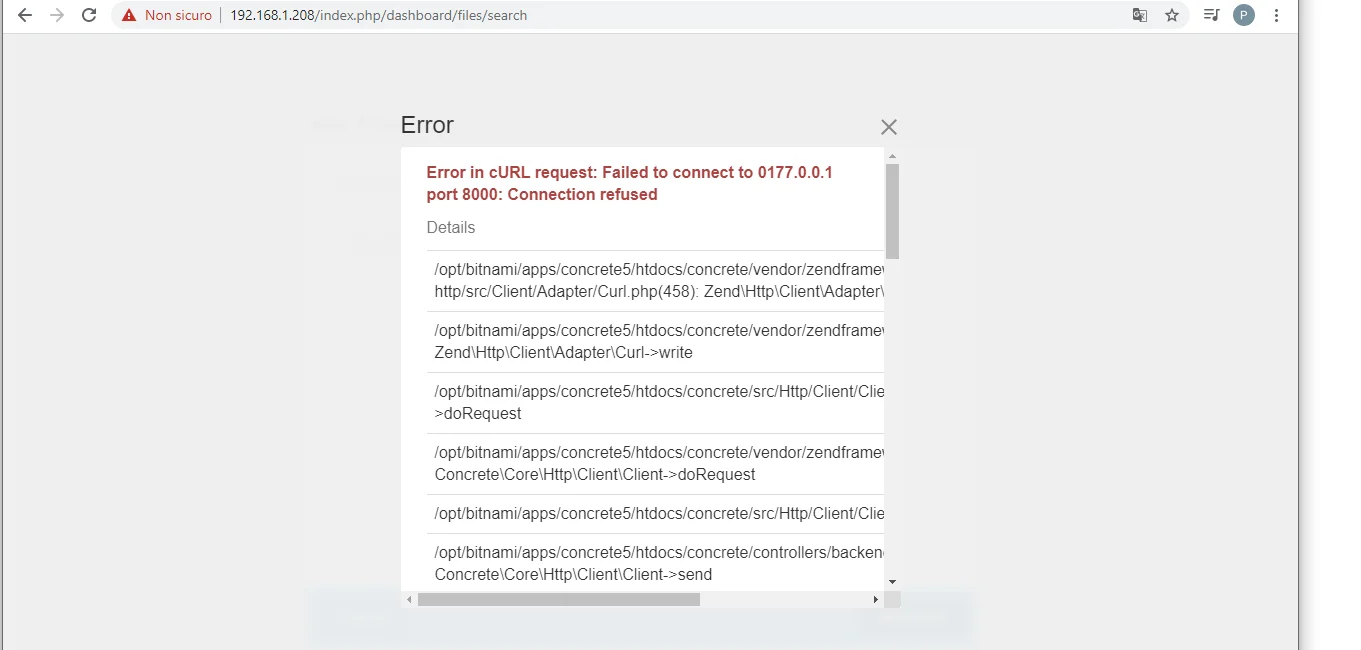
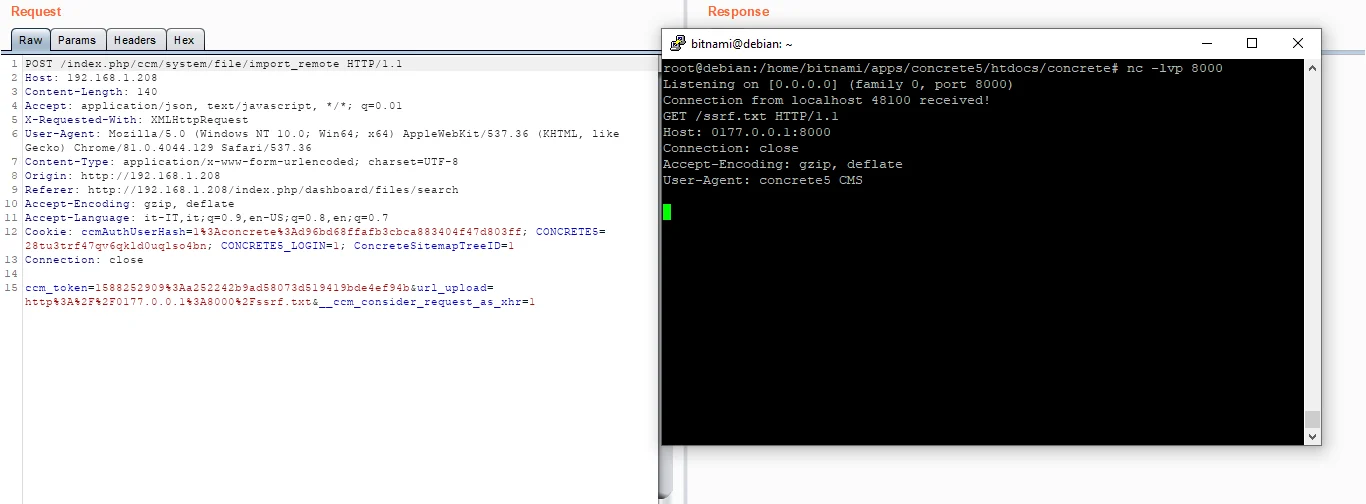
Not written yet. The AI write-up for this report has not been written yet. The Original tab links to the source.
How it worked
Impact
An attacker could interact with local services, and the impact may vary depending on which services are exposed.
What the attacker needed
SSRF protection blocking localhost
Explained by bugbounty.wiki with AI from the original and checked against quotes from it; it can still be wrong. Read the original before relying on a detail.
Not written yet. The AI write-up for this report has not been written yet. The Original tab links to the source.
SSRF (Server-Side Request Forgery) is when a server is tricked into making requests to internal services. The protection tried to block requests to localhost (the server itself), but the attacker used an alternative way to write the same address, so the check missed it.
What is SSRF?
The server can be made to fetch an address the attacker chooses, reaching internal services, cloud metadata or other customers' data.





